
Hormonal acne is a specific form of acne that is created by fluctuations in hormone levels in your body and is incredibly common, with around 25 to 50% of all women experiencing it, depending on their age.
Interestingly, it can also be predictable (but not always). But the good news is that you can get rid of hormonal acne.
While teenage acne seems to break out as and when it chooses, hormonal adult acne can either break out predictably at the same time of the month (during your period) or can be a constant issue in your life.
Sadly, the predictability of hormonal acne in some patients does not make it any less of a problem, because not only is it irritating, but it can cause physical and emotional issues and badly affect your self-confidence.
If you’re ready to get rid of your hormonal acne, BOOK NOW for a consultation with a Linia Skin dermatologist
As there are several treatment options available, we are going to explore your options, as well as the different things that can trigger your hormonal acne.
First, one of the most common questions we get asked is…
Can hormonal acne be controlled by diet?
In general, although there is some debate on the matter, the role that diet plays in hormonal acne is not fully understood yet.
There may be foods that can help reduce or even prevent acne, like foods with anti-inflammatory properties and high in antioxidants and omega-3 fatty acids.
Those properties are known to help clear dead skin cells.
However, the only way you could pinpoint the foods that may be directly causing acne is if you experience breakouts specifically after eating something.
Generally, treating severe acne with diet isn’t effective, unless your skin is reacting to certain foods getting a reaction on

What are some effective treatments for acne caused by hormones?
There are various offerings, both over-the-counter and prescription-based for treating acne triggered by hormones.
Let’s look at some over-the-counter treatments first.
Do hormonal acne supplements work?
Normally, over-the-counter hormonal acne treatment and supplements vary wildly in effectiveness to clear your skin, though much will depend on whether you have mild acne or severe acne.
Many oral acne supplements that have been shown to help with acne to some degree will be vitamin or mineral based including:
- Vitamin B3
- Vitamin B5 (pantothenic acid)
- Vitamin B6
- Vitamin B12
- Vitamin A
- Vitamin E
- Zinc
There are other supplements that aren’t vitamin or mineral based. Always consult with your doctor or dermatologist before taking any supplements.
Generally speaking, the treatment that is specifically designed to create hormonal changes in your body will not be available over the counter.
Over the Counter Topical Acne Treatments
Most over-the-counter solutions are topical treatments designed to treat mild acne. This includes:
- Salicylic acid
- Tea tree oil
- Topical retinoids and retinol
- Glycolic acid
- Alpha Hydroxy Acids
- Essential oil (s)
Many products you’ll find like acne facial washes, chemical peels, shower gels and creams will contain one or more of these ingredients inside.
The problem is that treating acne externally – topically, on the skin – doesn’t fix the root cause of adult acne, which is often internal. Specifically, hormones (most of the time).
This is why many sufferers of severe acne symptoms don’t find relief from over-the-counter treatment.
Using Oral Contraceptive/ Birth Control for Adult Acne
Curiously, oral contraceptives, such as the pill that contains progestin and oestrogen can effectively combat acne.
When used together, these hormones reduce the levels of androgens in your body, which in turn reduces the amount of sebum produced.
However, if you have been taking the pill but stopped because you want to try for a baby or are using another form of birth control, you may notice a spike in acne breakouts, because the pill has essentially been blocking the symptoms.

Prescription options to treat hormonal acne
As an alternative option to trying your luck with the various branded so-called treatments, some effective prescription-based treatments could help or at least keep it to a more manageable level.
The best approach is to use a combination, of attacking the acne internally and externally, including:
- antibiotic tablets
- topical benzoyl peroxide treatment
- topical retinoid treatment
- azelaic acid spray or cream
- Roaccutane acne treatment (oral)
What is the best hormonal acne treatment?
Isotretinoin or Roaccutane is a type of oral retinoid medicine that can be used to get rid of hormonal acne.
It helps to prevent the hair follicles on your skin from clogging up by decreasing the number of bacteria present in your skin and decreasing the amount of sebum production.
It will also help to reduce the natural inflammatory response of your skin.
This treatment is generally only prescribed as a last resort if all the other forms of treatments haven’t worked.
It can have harsh side effects for some but is one of the most effective ways to treat acne caused by hormones.
You will not be able to use Roaccutane if you are pregnant or breastfeeding.
We offer this treatment at Linia Skin and you can learn more here about our accutane acne treatment here.
FAQ’s about severe hormonal acne
Does hormonal acne ever go away?
There is no cure for acne, unfortunately. That doesn’t mean that you can’t treat acne, though and try to control the cause.
If you use the right treatment, you can control it and even stop it from displaying externally on your skin.
One of the problems with treating acne is the fact that the symptoms are different in terms of severity from one person to the next.
Generally speaking, if your acne developed during puberty, breakouts will be at their worst between the ages of 17 and 19, and for the majority of women, it should clear by your mid-20s.
This is not always the case, though, and for some, you will have to deal with acne breakouts well into your 40s.
What triggers hormonal acne?
As we noted above, hormonal acne in women is not just something teenagers have to deal with. You may be in your 30s or even early 40s and still have breakouts regularly.
There are a variety of different triggers that can set off hormonal acne:
- Most commonly caused by the fluctuations in hormone levels that occur at different times in life as we age, especially in women.
- But also fluctuations can occur more acutely during the month or even daily, such as during a menstrual cycle which can cause excess oil production.
- Health conditions that make hormones fluctuate more often
- Medications that may cause hormones to become imbalanced, such as steroids

Where Does Hormonal Acne Typically Occur?
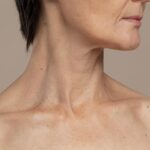
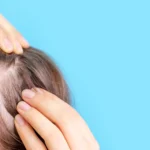
Hormonal breakouts usually occur across the lower face, around the mouth, chin, neck and jawline. It can also present itself along the hairline.
For some, this severe skin condition doesn’t only show across the face, but also on different parts of the body like the back or chest.
The Menstrual Cycle and Acne
As stated at the outset, there is a connection between the time of the month your periods fall on and when you have the most problems with hormonal acne.
Often in the days leading up to the start of your menstrual cycle, there are hormonal fluctuations that trigger acne.
The closer your period gets, the lower your progesterone levels and oestrogen levels fall. As this falls, the natural testosterone levels in your body remain the same, which means it’s the most dominant hormone active during your time of the month and can be a contributory factor to the increased production of sebum that causes breakouts.
Pregnancy
For as many as 50% of pregnant women, acne is a problem. Breakouts usually occur during the first trimester.
This is, again, caused by a hormonal imbalance, normally of progesterone, that stimulates the secretion of sebum, causing acne breakouts.
Menopause
Hormonal acne is also common in women going through the change, that is the menopause. This time it is caused due to the increase in androgen levels and the decrease in oestrogen levels.
Polycystic Ovarian Syndrome
PCOS is a common condition that causes overstimulation of your ovaries, meaning that unnaturally high levels of male hormones (testosterone) are produced.
This in turn increases oil production from your sebaceous glands in the skin and may result in clogged pores.
As women who suffer from polycystic ovary syndrome experience irregular periods, if they have them at all, the lack of natural cycling of the hormones can trigger almost constant acne breakouts.
Lifestyle Factors for Managing Hormonal Acne
While there are various treatments available to address hormonal acne, it’s essential to consider lifestyle factors that can complement these treatments. Here are some key lifestyle changes that can help manage hormonal acne:
Maintain a Healthy Diet
Although the direct link between diet and hormonal acne isn’t fully understood, a balanced diet rich in fruits, vegetables, whole grains, and lean proteins can support overall skin health. Avoid excessive consumption of sugary and processed foods, as they may contribute to inflammation.
Stay Hydrated
Proper hydration is crucial for healthy skin. Drinking enough water can help maintain skin moisture and flush out toxins.
Manage Stress
High stress levels can exacerbate hormonal imbalances, leading to acne flare-ups. Practice stress-reduction techniques such as mindfulness, meditation, yoga, or deep breathing exercises.
Regular Exercise
Engaging in regular physical activity can help improve circulation, reduce stress, and promote healthy hormone balance. Just be sure to cleanse your skin after sweating to prevent clogged pores.
Gentle Skincare Routine
Use gentle, non-comedogenic skincare products to avoid further irritation. Avoid harsh scrubs or excessive washing, as this can strip the skin’s natural oils and worsen acne.
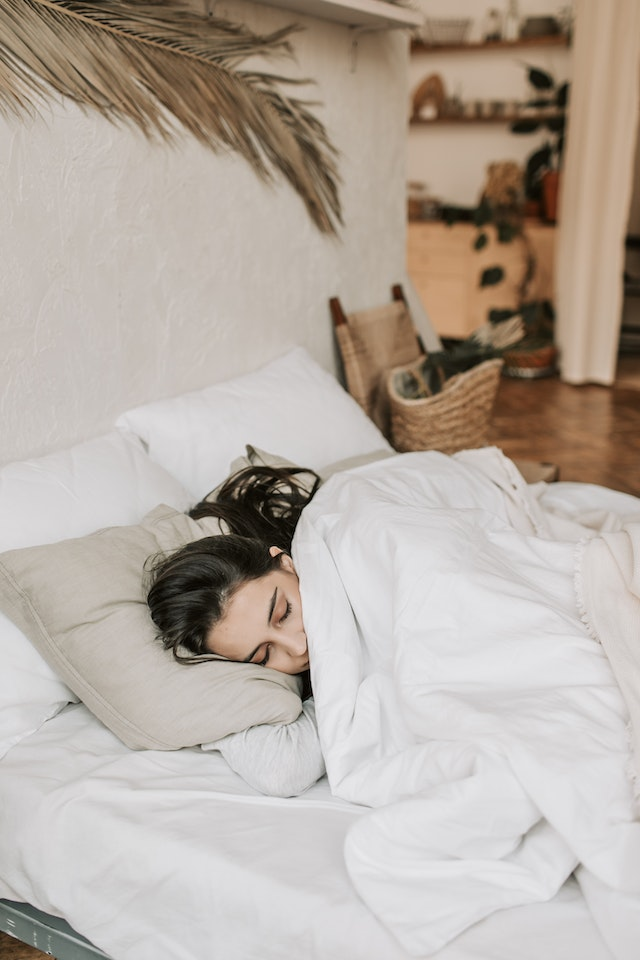
Adequate Sleep
Get enough quality sleep to allow your skin to repair and regenerate. Lack of sleep can contribute to hormonal imbalances and inflammation.
Combining Treatments for Hormonal Acne
Hormonal acne can be stubborn, and it often requires a combination of treatments to achieve the best results. Your dermatologist may recommend combining different approaches, such as:
Topical Treatments
Over-the-counter or prescription topical treatments containing ingredients like salicylic acid, benzoyl peroxide, or retinoids can help reduce acne lesions.
Oral Medications
Depending on the severity of your acne, oral antibiotics, oral contraceptives, or anti-androgen medications may be prescribed to regulate hormones and reduce acne.
Professional Procedures
Dermatological procedures like chemical peels, microdermabrasion, or laser therapy can complement other treatments by improving skin texture and reducing acne scars.
Isotretinoin (Roaccutane)
For severe, treatment-resistant cases, isotretinoin may be considered as a last resort. It is highly effective but comes with potential side effects and requires close monitoring by a healthcare provider.
If you’re ready to get rid of your hormonal acne today, BOOK NOW for a consultation with a Linia Skin clinic dermatologist