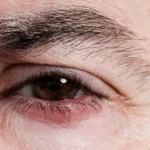
Dark circles are one of the most common aesthetic concerns we see at Linia Skin Clinic. Whether they appeared gradually over the years or seem to have shown up overnight after a restless week, they can make you look tired, older, and less vibrant than you actually feel. The good news is that understanding the root cause of your dark circles is the first step towards finding the right solution, and there are now more effective treatments available than ever before.
In this comprehensive guide, we will walk you through everything you need to know about dark circles: what they are, what causes them, how to tell different types apart, and what professional treatments can genuinely make a difference.
What Are Dark Circles?
Dark circles refer to the discolouration or shadowing that appears beneath the lower eyelids. They can range in colour from a bluish or purplish hue to a brownish or reddish tone, and sometimes appear as a combination of these. They can affect people of all ages, skin types, and ethnicities, although the way they present and their underlying cause can vary significantly depending on individual factors.
The under-eye area is anatomically unique. The skin here is among the thinnest on the entire body, often as thin as 0.5 millimetres compared to the 2 millimetres found elsewhere on the face. This means that structures beneath the skin, including blood vessels, pigmentation, and hollowness, are far more visible here than in other areas.
Common Causes of Dark Circles
There is rarely a single cause of dark circles. In most cases, a combination of factors contributes to their appearance. Understanding which of these applies to you helps determine the most appropriate course of treatment.
Genetics and Family History
Genetics play a significant role in predisposition to dark circles. If your parents or grandparents had them, there is a higher likelihood that you will develop them too. This is particularly true for periorbital hyperpigmentation, which refers to increased melanin production in the under-eye area, as this condition often runs in families.
Certain ethnicities, including South Asian, Middle Eastern, Mediterranean, and African populations, are more prone to pigmentation-related dark circles due to higher baseline levels of melanin in the skin.
Ageing
As we age, several structural changes occur around the eye area that contribute to the appearance of dark circles.
The fat pads that sit beneath the eyes begin to shift and diminish, causing hollowness or a sunken appearance known as the tear trough. This creates a shadow effect that is perceived as darkness. At the same time, the skin loses collagen and elastin, becoming thinner and more translucent, which makes the underlying blood vessels and bone structure more visible. The gradual descent of the midface also accentuates this hollow appearance.
Thin Skin and Visible Blood Vessels
Even in younger individuals, naturally thin or translucent skin beneath the eyes can allow the network of small veins and capillaries to show through. This tends to produce a bluish or purplish discolouration. Poor circulation can intensify this effect, as blood pools in these vessels.
Pigmentation
Excess melanin production in the under-eye area can lead to a brown or greyish tint. This can be caused by genetics, as mentioned above, as well as sun exposure, skin trauma, inflammation, and certain skincare products that irritate the delicate under-eye tissue.
Post-inflammatory hyperpigmentation from conditions like eczema or allergic contact dermatitis can also leave behind brownish discolouration around the eyes.
Lifestyle Factors
Sleep deprivation is perhaps the most well-known contributor to dark circles. When you do not get enough sleep, your blood vessels dilate, increasing blood flow beneath the thin under-eye skin. The pale, tired complexion that accompanies poor sleep also makes dark circles appear more prominent by contrast.
Stress triggers cortisol release, which can cause blood vessels to dilate and impair your skin’s ability to repair itself overnight.
Dehydration causes the skin to appear dull and sunken, making dark circles more apparent.
Alcohol and smoking both affect circulation and skin quality. Alcohol causes dehydration and puffiness, while smoking accelerates collagen breakdown and narrows blood vessels.
Diet also plays a role. High salt intake encourages fluid retention and puffiness around the eyes, which can create shadows. Iron deficiency anaemia can cause the skin to appear pale and the blood vessels beneath to look more prominent.
Allergies and Nasal Congestion
Allergic reactions cause the blood vessels beneath the eyes to dilate and become congested. Frequent eye rubbing due to itchiness also aggravates the delicate skin and can worsen pigmentation over time. This is sometimes referred to as an allergic shiner, a term used to describe the dark appearance linked to chronic nasal congestion and allergies.
Eye Strain and Screen Time
Extended periods in front of screens cause the blood vessels around the eyes to enlarge as a result of increased visual effort. This can contribute to temporary darkening around the eye area.
Sun Exposure
Ultraviolet light from the sun stimulates melanin production throughout the body, including in the fragile tissue beneath the eyes. Over time, repeated sun exposure without adequate protection can lead to permanent pigmentation changes in this area.

How to Identify the Type of Dark Circle You Have
Not all dark circles are the same, and different types require different approaches. A skilled clinician will assess the colour, texture, and underlying anatomy of your under-eye area before recommending treatment.
Vascular dark circles tend to appear blue or purple and are caused by the visibility of blood vessels through thin skin. They are often worse in the morning and improve slightly during the day.
Pigmentation-related dark circles typically appear brown or greyish and may extend beyond the immediate under-eye area. They tend to be consistent regardless of rest or hydration levels.
Structural or hollow dark circles are caused by the loss of volume in the tear trough and midface region. The darkness in this case is more of a shadow created by a physical indentation. These become more pronounced with age.
Mixed dark circles involve a combination of the above, which is common in many patients.
At-Home Care for Dark Circles
While professional treatments offer the most significant and lasting results, a consistent at-home routine can complement clinical care and help manage mild cases.
Sun Protection
Daily use of a broad-spectrum SPF 30 or above sunscreen, applied carefully around the eye area, is one of the most effective preventative measures. Sun protection helps prevent the worsening of pigmentation and slows the ageing process in the skin.
Vitamin C Serums
Topical vitamin C is an antioxidant that helps brighten the skin and reduce hyperpigmentation over time. Look for stable formulations containing L-ascorbic acid or ascorbyl glucoside at concentrations between 10 and 20 percent. Apply in the morning before your SPF.
Retinol
Retinol and its derivatives stimulate collagen production and encourage cell turnover, which can improve skin texture and thickness in the under-eye area over time. Begin with a low concentration and apply sparingly, as the under-eye skin is sensitive.
Caffeine and Peptide Eye Creams
Caffeine constricts blood vessels and reduces puffiness, making it useful for vascular dark circles in the short term. Peptide formulations support collagen synthesis and may improve skin firmness and thickness over time.
Cold Compresses
Applying something cool to the under-eye area in the morning helps constrict blood vessels and reduce temporary puffiness and discolouration. Cold spoons, chilled gel masks, or even cold water splashes can help.
Adequate Sleep and Hydration
Although it sounds simple, prioritising seven to nine hours of quality sleep per night and drinking enough water each day makes a measurable difference to the appearance of the under-eye area.
Professional Treatments for Dark Circles at Linia Skin Clinic
At-home care can only go so far. For significant or persistent dark circles, professional intervention offers far more targeted and effective results. At Linia Skin Clinic, our approach begins with a thorough assessment of the type and cause of your dark circles before recommending any treatment. A personalised plan ensures you receive the most appropriate care for your specific concern.
Dermal Fillers for the Tear Trough
For structural or hollow dark circles caused by volume loss, tear trough filler is often the most effective solution. A small amount of hyaluronic acid filler is carefully placed in the tear trough area to restore lost volume, smooth the transition between the lower eyelid and cheek, and eliminate the shadowing effect.
This treatment requires considerable skill and anatomical knowledge. The under-eye area contains important blood vessels and nerves, and the filler must be placed with precision to achieve a natural result. At Linia Skin Clinic, this procedure is carried out by experienced practitioners who specialise in periorbital anatomy and facial aesthetics.
Results are typically immediate and can last between one and two years depending on the individual. The treatment involves minimal downtime, though some temporary bruising or swelling may occur.
Profhilo
Profhilo is an injectable bio-remodelling treatment that uses a high concentration of hyaluronic acid to deeply hydrate the skin and stimulate the production of collagen and elastin. While not a filler in the traditional sense, Profhilo improves overall skin quality, elasticity, and thickness.
For patients whose dark circles are partly caused by thin, translucent skin, Profhilo can help by improving the structural quality of the skin itself, making underlying vessels and pigmentation less visible over time.
Chemical Peels
For pigmentation-related dark circles, chemical peels can be highly effective. Peels using agents such as glycolic acid, lactic acid, trichloroacetic acid, or a combination of brightening compounds encourage the shedding of pigmented surface skin cells and stimulate renewal of healthier skin beneath.
A series of treatments is usually required for best results, and maintenance peels may be recommended to sustain improvement. Chemical peels for the under-eye area require careful formulation and application due to the sensitivity of the tissue, so professional administration is essential.
Laser and Light-Based Treatments
Various laser and light-based technologies can address dark circles depending on their origin.
Nd:YAG laser treatments target the underlying blood vessels responsible for vascular dark circles. The laser energy is absorbed by the haemoglobin in the blood, causing the vessel walls to collapse and reducing discolouration.
Fractional laser resurfacing stimulates collagen production and improves skin thickness, which helps conceal underlying structures and reduce the appearance of dark circles related to thin skin.
Intense Pulsed Light (IPL) can address both vascular and pigmentation concerns by targeting melanin and haemoglobin simultaneously.
A consultation at Linia Skin Clinic will determine which technology is most suitable for your skin type and concern.
Carboxytherapy
Carboxytherapy involves the injection of small amounts of medical-grade carbon dioxide gas beneath the skin. This temporarily increases local blood circulation and oxygen delivery to the tissue, which can reduce the bluish discolouration associated with poor circulation and vascular dark circles. It also stimulates collagen production and may improve skin texture over a course of treatments.
Microneedling
Microneedling uses very fine needles to create controlled micro-injuries in the skin, triggering the body’s natural healing response and stimulating collagen and elastin production. When performed in the under-eye area, it can improve skin thickness and texture, reducing the transparency of the skin that allows dark circles to show through.
Microneedling can also be combined with topical brightening serums for enhanced results in pigmentation-related dark circles.
PRP Therapy (Platelet-Rich Plasma)
PRP therapy uses a preparation derived from your own blood. A small sample is taken and processed in a centrifuge to concentrate the growth factors found in platelets. This concentrated plasma is then injected into the under-eye area, where the growth factors stimulate collagen production, improve skin quality, and promote tissue regeneration.
PRP is particularly beneficial for patients who prefer a natural approach and wish to avoid synthetic products. It can improve both the quality and appearance of the skin beneath the eyes with a series of treatments.
Can Dark Circles Be Permanently Resolved?
This is one of the most common questions we are asked at Linia Skin Clinic. The honest answer depends on the cause.
For purely structural dark circles caused by volume loss, regular maintenance with filler can provide long-term improvement, though the treatment will need to be repeated periodically.
For pigmentation-related dark circles, a combination of professional treatments and diligent sun protection can produce significant and lasting improvement, though ongoing maintenance is beneficial.
For vascular dark circles caused by very thin skin or genetics, improvement is possible but may require ongoing management rather than a permanent cure.
What we can say with confidence is that the right treatment plan, tailored to your specific cause and anatomy, will produce a meaningful and noticeable difference in how you look and feel.
What to Expect During Your Consultation at Linia Skin Clinic
Your journey begins with a thorough consultation with one of our expert practitioners. During this appointment, we will assess the colour and type of your dark circles, examine the underlying anatomy, discuss your medical history and lifestyle, and understand your aesthetic goals.
We will then explain the treatment options most suitable for you, what to expect from each, realistic outcomes, and any associated risks or aftercare requirements. We believe in transparency and education, and we want every patient to feel fully informed before making any decisions.
Tips for Concealing Dark Circles While You Treat Them
Professional treatment takes time to deliver its full results. In the meantime, there are ways to minimise the appearance of dark circles through skincare and makeup.
A colour-correcting concealer applied beneath your regular foundation can help neutralise discolouration. For bluish circles, a peach or salmon-toned corrector works well. For brownish circles, a lighter peachy-beige shade is effective.
A lightweight, hydrating eye cream applied before concealer helps the product blend more smoothly and prevents creasing throughout the day.
Highlighting the inner corners of the eyes and just beneath the brow bone can draw attention away from the under-eye area and create a brighter, more lifted appearance.
Why Choose Linia Skin Clinic for Your Dark Circle Treatment?
At Linia Skin Clinic, we understand that aesthetic concerns like dark circles can affect your confidence and how you present yourself to the world. Our team is committed to providing honest, evidence-based advice and treatments that are tailored to each individual.
We combine medical expertise with a genuine commitment to natural-looking, personalised results. We do not believe in a one-size-fits-all approach. Every patient who walks through our doors receives a treatment plan built around their unique anatomy, skin type, concerns, and goals.
Whether you are exploring professional treatment for the first time or looking to enhance a previous result, we are here to guide you every step of the way.
To book your consultation with us, visit our website or contact the clinic directly. We look forward to helping you look and feel your very best.