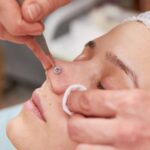
A thread lift is a non-invasive alternative to a traditional facelift that does not require you to go under the knife. Although it is in general less painful and causes fewer problems, a common side effect is mild swelling for days after the procedure. While it is not a concern if you are experiencing slight discomfort, you may still want to deal with the slight bruising.
While you need to be cautious when doing anything to swollen skin after a thread lift, you can help reduce the side effects. The best way to do this is with a cold compress, but you need to be careful when using anything cold on thin and fragile skin or skin that has been newly injected.

What is a thread lift?
A thread lift procedure is a non-invasive and anti-ageing treatment that lifts and tightens your skin. This procedure promotes neovascularisation and it helps to improve your skin’s appearance in time. Biodegradable polyester sutures are used in PDO thread lifts. Thread lifts are a low-risk treatment that causes minimal scarring and is an affordable and effective alternative to more invasive facelift surgery.
What are the side effects of a thread lift?
As with any cosmetic surgery, a thread lift comes with the chance of various side effects and complications. These include:
- Unfavourable results
- Bruising and swelling
- Sensitivity to bright lights and the sun
- Pain, that can become persistent
- Infection
- Extrusions of threads
- Difficulty in opening your mouth, although this is temporary
- Anaesthesia risks
Can thread lifts damage the skin on your face?
As is the case with many plastic surgery treatments, thread lifts do come with complications that can potentially cause irregularities or permanent dumplings. This can often result in a recovery period that is as long as a traditional facelift. They can leave scar tissue that can make any future surgery you have a lot more challenging particularly for a less skilled and experienced plastic surgeon.

How much downtime is needed after a thread lift procedure?
The recovery period and downtime after a thread lift procedure are minimum because it is non-surgical. We recommend that you give at least a couple of days of recovery or whatever your plastic surgeon recommends downtime.
What about returning to work following thread lift treatment?
Whether you should go back to work after a thread lift treatment depends on the type of employment you have and where you work. In most cases, you can usually return to work anytime between one day and one week. For example, if you work in a strenuous job or in one that involves a lot of movement and activity, such as nursing or personal training, you may need to have a bit more recovery time before going back.
When can you shower after a thread lift?
The recommendation is that you avoid washing, wetting, or even touching your face for at least a minimum of just 12 hours following treatment. It is probably best to avoid massaging or scrubbing the area even after those 12 hours and leave it for at least three weeks.
How to reduce swelling after a thread lift
There are several effective things you can do to help reduce the swelling caused by a PDO thread lift. One of the most effective ways that can have an immediate impact is ice. Gently press cold packs or another form of cool compress after your procedure onto the treated area and you can help reduce the bruising and swelling.
Do this in increments of 30 minutes for 24 hours following your treatment. You need to remember though that if you use ice on thin and fragile skin or newly injected skin, it causes injuries. There is also the chance that frostbite can develop from ice that has been left on your skin for too long. It is also vital that you avoid placing ice over the thread entry points. Acetaminophen can also be taken to help with tenderness and pain. It is best to avoid NSAIDs like ibuprofen and aspirin, though, at least for the first three days following the treatment.
How long does swelling last following PDO thread lifts?
Following your procedure, the tenderness, bruising, and swelling around the suture sites normally will resolve within around three to five days.
Conclusion
Swelling, bruising and other side effects are commonplace following thread lift. Generally, you can expect to experience slight discomfort but by paying close attention to the tips and suggestions noted above, you should recover fully without too much problem. The plastic surgeon who performs your treatment will check your progress at your follow-up appointment.