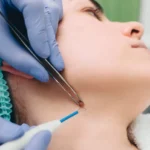

Although it is not by any means a life-threatening condition, acne can sap anyone of their confidence and self-esteem and can be difficult to get rid of. If that wasn’t bad enough on its own, after acne clears, scarring is a very real possibility. As well as being aesthetically unappealing, acne scars can be incredibly itchy, irritable, and even more difficult to get rid of than the acne itself.
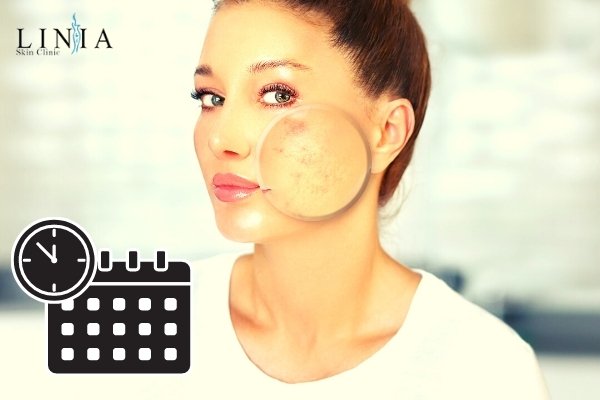
If you have suffered from acne and have developed scars, you may wonder how long they last and if they are permanent. That is what we’re going to discuss.
It can normally take 3 to 6 months for acne scars to fade. In most cases, they will not do this on their own. Acne scars involve skin damage that is potentially permanent that needs special treatment. Acne scarring changes skin texture and if there are any raised spots, deeper damage has been done.
How to Get Rid of Acne Scars?
When it comes to discussing the subject of getting rid of acne scars, it is important to note that there are not only different types of acne scars, but different levels of severity. Just as there are many different types of acne scarring, there are a number of treatment options.
To better explain the options available if you have acne scarring, we are going to divide the multitude of treatments into two different categories, natural and cosmetic treatments.
Natural Methods
If you do not like the idea of going under the knife or having any specialist treatment performed by a dermatologist or cosmetic surgeon, you might be wanting to try some alternatives.
Within the category of natural treatments, there are two basic types of acne scar treatments – over the counter and prescribed remedies and at home natural DIY remedies.
Unfortunately, you’re looking at varying degrees of success for scar removal and sometimes no success at all with these treatments, but we’ll take you through a list of popular scar treatments.
Over the counter remedies that can help include:
- Niacinamide – a special form of Vitamin B3, Niacinamide has a crucial role in ensuring your skin is healthy. Many experts recommend it as an effective tool in the fight to minimise dark spots and hyperpigmentation. As it benefits from anti-inflammatory properties, it can be used as treatment for acne and to reduce any scarring.
- Azelaic Acid – A mild type of acid that occurs naturally in grains like rye, wheat, and barley, Azelaic acid has antimicrobial and anti-inflammatory properties and can help with stimulating the skin’s natural renewal process. This all helps to prevent breakouts of acne in the first place and reducing scarring and other blemishes that result from acne.
- Retinoids – retinoids are available in topical form as lotions and creams and are recommended by dermatologists to improve your skin texture while reducing discolouration. When they are during the beginning stages of acne breakouts, they can help reduce scarring and are also effective at lightening and fading hyperpigmented acne scars – so great it you have darker skin.
- Lactic Acid – available in lotions and creams, lactic acid functions as a gentle and safe peel for your skin that helps to remove dead skin cells. As well as improving the skin texture, it helps minimise scarring.
- Alpha Hydroxy Acids – Alpha Hydroxy Acids are another form of treatment that are used for dealing with acne that can also help reduce scarring. They are specifically used in eliminating dead skin cells and stopping your pores from getting clogged up and can help with exfoliation of the rough outer layer of your skin to give it better texture and make sure the new skin underneath is visible.
- Salicylic Acid – this is a compound that occurs naturally and is one of the most popular anti-acne product ingredients. Salicylic acid can help with eliminating clogs of debris, skin cells and dirt in your pores, while also reducing scarring. As it can also help reduce redness and swelling it can help to soften and diminish the appearance of existing scars.
At home natural DIY remedies may include:
- Apple Cider Vinegar – This can work in a similar way to Lactic Acid, as the acidic properties of the vinegar will help to peel away at the outer layer of your skin, which in turn will reduce the visibility of acne scars.
- Onion Extracts – although it may not seem like the most pleasant idea, onion extracts can reduce a soreness, redness, inflammation and scarring you may have as a result of acne. Make a simple solution of olive oil mixed with 1 tablespoon of onion extract and then apply it directly to your face. For the best results, leave it for at least 20 minutes and then rinse it off.
- Essential Oils – Most essential oils are capable of helping to heal wounds as well as stopping the development of scar tissue. As if that wasn’t enough, they can also help soften skin texture and reduce soreness and inflammation.
- Aloe Vera – Aloe Vera is an easy to find substance that is known to be helpful in regulating melanin production which can reduce discolouration and pigmentation.
- Baking Soda – baking soda has long been an at home anti-inflammatory and baking ingredient, and it is effective at fighting both acne and the resulting scars. The only word of caution we would give is that it can soak up essential oils and may encourage your skin to produce too much sebum.
- Honey and Lemon – When you mix honey and lemon, they can be used as an excellent natural treatment for skin. Honey is a natural antiseptic and can contribute significantly to the body’s natural healing process and quickly reduce scars. While lemon, a naturally acidic ingredient, offers antibacterial properties that can fight bacteria and relieve your skin if there is a build up of oils.
- Turmeric Powder – As well as a tasty spice, turmeric is known for its anti-inflammatory properties and therefore may be helpful in the fight against acne and scarring.
- Shea Butter – an ingredient commonly found in skin and body care products, shea butter offers anti-inflammatory capabilities and can fight against acne and reduce marks and discolouration.
- Coconut Oil – one of the most popular natural oils, coconut oil can help provide your skin with moisture and stop it from producing sebum, while reducing acne scarring.
Cosmetic Methods
Natural options may not be the best solution for your acne scars, which is why you may need to consider cosmetic treatments performed by a dermatologist.
Common procedures include:
- Laser treatment – one of the most effective methods for removing acne scars, laser treatment works by using the laser to take off the top layer of skin so that fresh skin cells are exposed.
- Dermal fillers – often confused with another cosmetic treatment, Botox, dermal fillers do not freeze your facial muscles, though. They help to reduce scars by smoothing out your skin by filling in the wrinkles and scarring.
- Rolling and Microneedling – Rolling and microneedling are similar, with the major difference being that microneedling involves the use of tiny needles being inserted into the skin around your acne scars. It stimulates your body’s natural collagen production and is ideal for working on depressed scars rather than raised ones.
- Chemical Peeling – trust us, it sounds worse than it actually is and is ideal for shallow acne scars. A chemical peel helps to remove the uppermost layer of skin and reduces scarring and discolouration, while smoothing your skin and stopping breakouts from occurring.

Summary
If you are suffering from acne scars, there is no reason why you need to accept them and resign yourself to a lifetime of trying to cover over them. Whether you choose to go down the route of a more natural approach or cosmetic treatment, you can reduce their appearance and even get rid of them completely.
Read more of our articles discussing different types of Acne and just basic Acne tips.