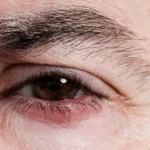
A cyst on your face can be uncomfortable, distressing, and difficult to ignore, especially when it sits in such a visible and sensitive area. Whether it has appeared suddenly or has been slowly growing over time, you are likely to want it assessed and treated by experienced professionals who understand both the medical and cosmetic concerns involved.
At our clinic, we offer safe, precise, and discreet facial cyst removal carried out by skilled practitioners. This page explains what facial cysts are, why they develop, your treatment options, and what you can expect before, during, and after removal.
What Is a Facial Cyst?
A cyst is a small sac beneath the skin that fills with fluid, keratin, or other material. On the face, cysts often appear as smooth, round lumps that you can feel just under the surface. They may stay the same size for years or gradually grow, and in some cases they can become inflamed, tender, or infected.
Most facial cysts are benign, which means they are not cancerous. However, because the face is such a delicate area, it is always wise to have any new or changing lump assessed by a professional rather than attempting to deal with it yourself.

Common Types of Cysts Found on the Face
Several different types of cyst can appear on the face, and identifying the type helps determine the best approach to removal.
Epidermoid cysts are among the most common. They develop from the surface layer of the skin and often contain a soft, cheese like material. Sebaceous cysts arise from the glands that produce the skin’s natural oils and tend to feel firm and movable. Milia are tiny white cysts that often appear in clusters around the eyes and cheeks, particularly common on delicate facial skin. Cysts can also develop in more specific areas, such as around the brow, and our dedicated page on eyebrow cyst removal covers this in more detail. During your consultation, we will identify the type of cyst you have and explain what this means for your treatment.
Why Do Cysts Form on the Face?
Facial cysts can develop for a number of reasons. They often form when skin cells or keratin become trapped beneath the surface instead of being shed naturally. Blocked oil glands, hair follicles, and previous skin trauma can all contribute.
Other factors include genetics, hormonal changes, and certain skin conditions such as acne. Sun exposure and the natural ageing of the skin can also play a part. In many cases there is no single obvious cause, and the cyst simply appears over time.
Should You Ever Squeeze or Pop a Facial Cyst?
It can be tempting to squeeze a cyst yourself, but this is strongly discouraged. Attempting to pop a facial cyst at home can push the contents deeper into the skin, cause infection, and lead to scarring in a highly visible area.
Because the face has delicate tissue and is prone to noticeable marks, professional removal is by far the safest route. Our practitioners use sterile techniques and careful methods designed to minimise the risk of scarring and to give the best possible cosmetic result.
When Should You Have a Facial Cyst Removed?
Many people choose to have a facial cyst removed for cosmetic reasons, simply because they dislike its appearance or feel self conscious about it. This is a perfectly valid reason to seek treatment.
There are also medical reasons to consider removal. You should arrange an assessment if the cyst is growing, becoming painful, changing in colour, releasing discharge, or showing signs of infection such as redness and warmth. Any lump that is changing in size or appearance should always be reviewed, both for your peace of mind and to rule out anything more serious.
How Are Facial Cysts Removed?
The most effective and lasting way to treat a cyst is to remove it completely, including the sac wall. If only the contents are drained and the sac is left behind, the cyst is very likely to return.
The exact method depends on the size, type, and location of the cyst. Minor surgical excision is the most common approach, in which the cyst is removed under local anaesthetic through a small, carefully placed incision. For smaller cysts and milia, gentler techniques may be suitable. Your practitioner will recommend the most appropriate method for your individual case and explain it fully before any treatment begins.
What Happens During Your Appointment?
Your visit will begin with a thorough consultation. Your practitioner will examine the cyst, ask about your medical history, and discuss your goals and any concerns you may have.
If removal is suitable and you wish to proceed, the area will be cleaned and numbed with a local anaesthetic so that you remain comfortable throughout. The procedure itself is usually quick, and most people feel only mild pressure rather than pain. Once the cyst has been removed, the area will be closed and dressed, and you will be given clear aftercare guidance to take home.
Will There Be a Scar?
Whenever an incision is made, there is some possibility of a mark or scar. However, our practitioners are highly experienced in working on the face and take great care to keep incisions as small and discreet as possible, often placing them along natural skin lines.
With proper aftercare, most facial scars fade significantly over time and become barely noticeable. We will talk you through realistic expectations for your specific cyst and location during your consultation.
Aftercare and Recovery
Recovery from facial cyst removal is usually straightforward. You may experience some mild swelling, redness, or tenderness around the treated area for a few days, which is completely normal.
We will provide detailed aftercare instructions to support healing and reduce the risk of infection. This typically includes keeping the area clean and dry, avoiding picking at the site, and protecting the skin from strong sun exposure. Most people are able to return to their usual routine very quickly, and any stitches will be removed or will dissolve as advised.
How Long Does the Treatment Take?
One of the advantages of facial cyst removal is that it is usually quick. For most cysts, the removal itself takes between fifteen and thirty minutes, depending on the size, type, and location.
You should allow a little extra time for your consultation, numbing, and aftercare advice, but in most cases the whole appointment is completed in a single visit. This means your cyst can be assessed and removed without setting aside a great deal of time.
Is the Treatment Painful?
Comfort is a common concern, and an understandable one. The good news is that facial cyst removal is carried out under local anaesthetic, which numbs the area so that you should not feel any pain during the procedure.
You may feel a small scratch as the anaesthetic is applied, followed by a sensation of mild pressure rather than discomfort. Once the area is numb, the practitioner can work gently and precisely, and any tenderness afterwards usually settles within a few days.
Are There Any Risks or Side Effects?
Facial cyst removal is safe and commonly performed, but as with any minor procedure there are a few things to be aware of. Temporary side effects can include mild swelling, redness, bruising, and tenderness, all of which usually fade quickly.
Less commonly, there is a small risk of infection, scarring, or the cyst returning if any part of the sac remains. Choosing an experienced practitioner significantly reduces these risks, and we will discuss everything openly before treatment so that you feel fully informed.
Will the Cyst Come Back After Removal?
When a cyst is removed completely, including the sac wall, it is very unlikely to return in the same place. This is why we focus on full removal rather than simply draining the contents.
If a cyst is only drained and the sac is left behind, there is a much higher chance of it filling again over time. Our approach is designed to give you a lasting result, so you do not face the same problem repeatedly.