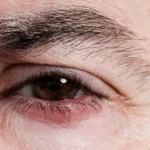
Sebaceous cysts are among the most common skin lumps people develop during their lifetime. Though they are almost always benign, they can be uncomfortable, unsightly, or prone to infection, and for many people, removal offers the most reliable, lasting solution. At Linia Skin Clinic, we provide safe, professional cyst removal performed by experienced practitioners in a comfortable clinical setting.
This comprehensive guide explains everything you need to know about sebaceous cysts: what they are, why they form, when they should be removed, what the procedure involves, and how to care for your skin afterwards.
What Is a Sebaceous Cyst?
A sebaceous cyst is a small, closed sac that develops beneath the surface of the skin. It is filled with a soft, semi-solid material made largely of keratin, the same protein that makes up hair and the outer layer of skin. This gives the contents a thick, cheese-like texture, often with a distinctive odour.
While the term “sebaceous cyst” is widely used, it is something of a misnomer. True sebaceous cysts (containing sebum from oil glands) are relatively rare. Most lumps people call sebaceous cysts are in fact:
- Epidermoid cysts, arising from the surface layer of the skin (epidermis)
- Pilar (trichilemmal) cysts, arising from hair follicles, most commonly on the scalp
Despite the differing origins, these cysts look and behave similarly, and the approach to removal is much the same.
How Common Are They?
Sebaceous cysts are extremely common and can affect people of all ages, though they appear most frequently in adults. They can occur as a single lump or in multiples, and some people are simply more prone to developing them due to genetic factors, skin type, or a history of acne.
Where Do Sebaceous Cysts Appear?
These cysts can form almost anywhere on the body where hair follicles are present. The most common areas include the:
- Face
- Neck
- Scalp
- Back
- Chest
- Shoulders
- Behind the ears
They tend to develop in areas with a higher concentration of oil glands and hair follicles.
What Causes Sebaceous Cysts?
Sebaceous cysts typically form when a hair follicle or skin duct becomes blocked, causing keratin and other material to accumulate inside a sac rather than being shed normally. Several factors can contribute to their development:
- Blocked or damaged hair follicles, often the primary trigger
- Skin trauma or injury, such as cuts, scratches, or surgical wounds
- History of acne, as damaged follicles are more likely to form cysts
- Genetic predisposition, with some inherited conditions causing multiple cysts
- Ruptured sebaceous glands, which can wall off and form a cyst
In most cases, the exact cause is not a concern. What matters is whether the cyst is causing problems and whether removal is appropriate.

Recognising the Symptoms
Most sebaceous cysts are easy to identify. Common features include:
- A round, smooth, dome-shaped lump beneath the skin
- A small central opening or dark plug, known as a punctum
- A soft or firm texture that may move slightly when touched
- Occasional drainage of thick, pale, foul-smelling material
- Slow growth over weeks, months, or years
In their early stages, sebaceous cysts are usually painless. However, they can become problematic if they grow large, become inflamed, or develop an infection.
Signs of an Infected or Inflamed Cyst
An infected cyst requires prompt attention. Warning signs include:
- Redness around the lump
- Warmth and swelling
- Pain or tenderness
- Pus or discharge
- A rapid increase in size
If you notice any of these symptoms, it is important to seek professional advice rather than attempting to squeeze or drain the cyst yourself, which can worsen infection and increase scarring.
When Should a Sebaceous Cyst Be Removed?
Not every cyst requires treatment. Small, painless cysts that cause no concern can often be left alone and simply monitored. However, removal is frequently recommended when a cyst:
- Becomes large, prominent, or cosmetically bothersome
- Is located in a visible area such as the face or neck
- Causes discomfort, pressure, or irritation
- Becomes infected or inflamed repeatedly
- Continues to grow over time
- Interferes with daily activities, clothing, or shaving
- Causes anxiety or self-consciousness
Complete surgical removal, including the cyst wall, is the most effective way to prevent recurrence.
Why You Shouldn’t Try to Remove a Cyst Yourself
It can be tempting to squeeze or pop a cyst at home, but this is strongly discouraged. Doing so can:
- Push bacteria deeper into the skin, causing infection
- Cause the cyst to rupture beneath the surface
- Lead to inflammation and scarring
- Leave the sac intact, allowing the cyst to refill and return
Professional removal ensures the entire cyst, including its sac, is taken out safely and cleanly, which is the key to a lasting result.
How Is a Sebaceous Cyst Diagnosed?
At Linia Skin Clinic, diagnosis usually begins with a thorough clinical examination. In most cases, an experienced practitioner can identify a sebaceous cyst by its appearance and feel alone.
During your consultation, we will:
- Examine the size, location, and condition of the cyst
- Discuss your symptoms and medical history
- Determine whether the cyst is inflamed or infected
- Recommend the most suitable treatment approach
In rare cases, further investigation or histological analysis of the removed cyst may be advised to confirm the diagnosis and rule out other conditions.
The Sebaceous Cyst Removal Procedure
Cyst removal at Linia Skin Clinic is a minor surgical procedure performed under local anaesthetic. It is quick, well-tolerated, and carried out with careful attention to both safety and aesthetic outcome.
A typical procedure follows these steps:
- Consultation and assessment. We examine the cyst, explain the procedure, and answer any questions you may have.
- Preparation. The area is cleaned and sterilised to minimise infection risk.
- Local anaesthetic. A numbing injection ensures the procedure is comfortable and pain-free. You remain fully awake throughout.
- Excision. The cyst and its surrounding sac are carefully removed in their entirety. Removing the complete sac wall is essential to prevent recurrence.
- Closure. The wound is closed with fine sutures to support neat, healthy healing.
- Dressing. A clean dressing is applied, and aftercare instructions are provided.
The entire procedure typically takes around 30 minutes, depending on the size and location of the cyst. Most patients are able to return to their normal day with minimal disruption.
Treatment for Infected Cysts
If a cyst is actively infected at the time of consultation, immediate full removal may not be advisable. In these cases, we may first recommend:
- Drainage to relieve pressure and discomfort
- A course of antibiotics to clear the infection
- A return visit for complete removal once the inflammation has settled
Removing an inflamed cyst can increase the risk of complications and recurrence, so timing the procedure correctly is important for the best outcome.
Aftercare and Recovery
Recovery from sebaceous cyst removal is usually straightforward, and good aftercare plays an important role in achieving a smooth result. General guidance includes:
- Keep the area clean and dry for the first 24 to 48 hours
- Follow dressing instructions provided by your practitioner
- Avoid strenuous activity and heavy lifting for several days
- Do not pick or scratch the healing wound
- Attend your follow-up appointment if stitches need to be removed
- Protect the area from the sun to reduce the visibility of any scar
Mild swelling, bruising, or tenderness is normal and usually settles within one to two weeks. Our team will provide personalised aftercare advice tailored to your procedure and the location of the cyst.
When to Seek Advice After Removal
While complications are rare, contact the clinic if you experience:
- Increasing redness, swelling, or pain
- Discharge or signs of infection
- Bleeding that does not settle
- A high temperature or feeling unwell
Will It Leave a Scar?
Any procedure that involves an incision carries some risk of scarring. The size and visibility of a scar depend on factors such as the cyst’s size, its location, and your individual healing process.
At Linia Skin Clinic, our practitioners use careful, precise surgical techniques designed to minimise scarring. In most cases, scars are small and fade considerably over time. We are happy to discuss scar management and what you can realistically expect during your consultation.
Can Sebaceous Cysts Come Back?
When a cyst is removed completely, including the entire sac wall, recurrence is uncommon. However, if any part of the sac is left behind (for example, after squeezing or incomplete drainage), the cyst can refill and return. This is precisely why professional, complete excision offers the most reliable, long-term result.
It is also worth noting that people who are prone to cysts may develop new ones elsewhere on the body, even after successful removal of an existing cyst.
Frequently Asked Questions
Are sebaceous cysts dangerous? The vast majority are entirely benign and pose no health risk. However, any lump that changes rapidly, becomes painful, or behaves unusually should be assessed by a professional.
Is the procedure painful? The area is numbed with local anaesthetic, so the procedure itself is comfortable. You may feel slight pressure but should not feel pain. Mild tenderness afterwards is normal.
How long does removal take? Most procedures take around 30 minutes, though this can vary with the size and location of the cyst.
Can I go back to work the same day? Many patients return to normal activities the same day, though it is sensible to avoid strenuous activity for a few days.
Do all cysts need to be removed? No. Small, painless cysts can often be monitored. Removal is recommended when a cyst is bothersome, growing, recurrent, or prone to infection.