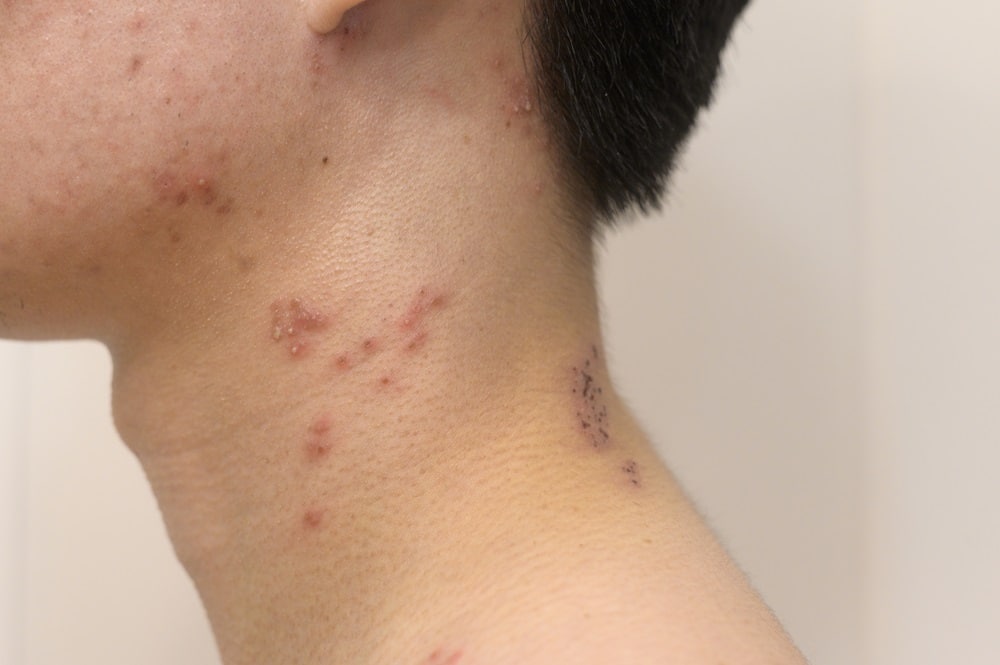
Neck acne can be both physically uncomfortable and emotionally distressing. This comprehensive guide explores the unique challenges of neck acne, its causes, effective treatment options, and prevention strategies to help you achieve clearer skin.
Understanding Neck Acne
Neck acne differs from facial acne in several important ways. The skin on your neck is typically thinner and more sensitive than facial skin, making it more prone to irritation and slower to heal. Additionally, the neck area is exposed to different environmental factors, friction from clothing, and hair products that can contribute to breakouts.
Unlike the face, where skincare routines are often well-established, the neck frequently gets overlooked in daily skincare regimens. This neglect can lead to buildup of dead skin cells, excess oil, and bacteria—creating the perfect environment for acne to develop.

Common Causes of Neck Acne
Understanding what triggers neck acne is the first step toward effective treatment. Common causes include:
Hormonal Fluctuations
Hormonal changes during puberty, menstruation, pregnancy, or conditions like PCOS (Polycystic Ovary Syndrome) can trigger increased sebum production, leading to clogged pores and acne breakouts on the neck.
Hair Products
Shampoos, conditioners, hair sprays, and styling products can contain ingredients that irritate skin or clog pores when they run down onto your neck during washing or throughout the day.
Friction and Mechanical Irritation
Tight collars, scarves, turtlenecks, necklaces, and even sports equipment can create friction against the neck, leading to a type of acne known as acne mechanica.
Sweat and Poor Hygiene
The neck is a high-sweat area, particularly during exercise or in hot weather. When sweat mixes with bacteria and isn’t properly cleaned, it can contribute to acne.
Diet and Lifestyle
High-glycemic foods, dairy products, and certain supplements have been linked to increased acne in some individuals. Stress and inadequate sleep can also worsen existing acne conditions.
Phone Use
Holding your phone against your neck can transfer bacteria, oils, and makeup from your face and hands to your neck.
Types of Neck Acne
Neck acne can manifest in several forms:
Comedonal Acne
This milder form appears as small flesh-colored bumps, blackheads, or whiteheads. It’s usually caused by clogged pores without significant inflammation.
Inflammatory Acne
These are your typical red, swollen pimples. They occur when bacteria infect clogged pores, causing inflammation.
Cystic Acne
Large, painful bumps that form deep under the skin. Cystic acne on the neck can be particularly painful due to the constant movement of this area.
Folliculitis
Often mistaken for acne, folliculitis is an inflammation of hair follicles that can appear similar to pimples. It’s commonly caused by bacterial or fungal infections.
Treatment Options
Over-the-Counter Solutions
Salicylic Acid (1-2%): This beta-hydroxy acid penetrates oil glands and exfoliates inside the pores, making it effective for preventing clogged pores. It’s particularly useful for comedonal acne.
Benzoyl Peroxide (2.5-5%): An antibacterial agent that kills acne-causing bacteria and helps reduce inflammation. Start with lower concentrations on neck skin to avoid irritation.
Retinoids: Adapalene (Differin) is now available over-the-counter and can help accelerate cell turnover, preventing clogged pores. Use sparingly on the neck and build up tolerance gradually.
Niacinamide: A form of vitamin B3 that reduces inflammation and helps regulate oil production without irritating sensitive neck skin.
Prescription Treatments
For more severe or persistent neck acne, dermatologists may prescribe:
Topical Antibiotics: Clindamycin or erythromycin can reduce bacteria and inflammation.
Stronger Retinoids: Tretinoin, tazarotene, or trifarotene provide more potent versions of over-the-counter retinoids.
Oral Antibiotics: For moderate to severe inflammatory neck acne, oral antibiotics like doxycycline or minocycline may be prescribed for short periods.
Hormonal Treatments: For women whose neck acne is hormone-related, birth control pills or spironolactone might be recommended.
Isotretinoin: For severe, cystic neck acne that doesn’t respond to other treatments, isotretinoin (formerly known as Accutane) may be considered under close medical supervision.
Natural and Alternative Treatments
Tea Tree Oil: Diluted tea tree oil (never use undiluted) has natural antibacterial properties that may help with mild acne.
Green Tea Extract: Contains antioxidants that can reduce inflammation when applied topically.
Witch Hazel: A natural astringent that can help control oil and reduce inflammation.
Honey and Turmeric Masks: These ingredients have anti-inflammatory and antibacterial properties that may help soothe acne-prone skin.
Daily Skincare Routine for Neck Acne
Morning Routine
- Cleanse: Use a gentle, non-comedogenic cleanser specifically formulated for acne-prone skin.
- Treat: Apply a thin layer of your treatment product (salicylic acid, benzoyl peroxide, etc.).
- Moisturize: Use a lightweight, oil-free moisturizer to prevent dryness without clogging pores.
- Protect: Apply a non-comedogenic sunscreen with at least SPF 30 to prevent post-inflammatory hyperpigmentation.
Evening Routine
- Cleanse: Double cleanse if you wear makeup or sunscreen—first with an oil-based cleanser to remove products, then with a water-based cleanser.
- Treat: Apply acne treatments according to your dermatologist’s recommendations.
- Moisturize: Use a slightly richer moisturizer at night if needed, still ensuring it’s non-comedogenic.
Weekly Additions
- Gentle Exfoliation: Once or twice weekly, use a gentle chemical exfoliant (AHA/BHA) rather than harsh physical scrubs.
- Clay Mask: Apply to the neck area to absorb excess oil and impurities.
Prevention Strategies
Clothing Considerations
- Opt for loose-fitting clothes with breathable fabrics like cotton.
- Avoid tight collars that can cause friction and irritation.
- Consider switching to hypoallergenic laundry detergent without fragrances.
Hair Care Adjustments
- Rinse shampoo and conditioner thoroughly to prevent residue.
- Apply hair products before dressing and shield your neck during application.
- Keep long hair tied back when sleeping or exercising.
Tech Hygiene
- Clean your phone regularly with alcohol wipes.
- Use earbuds for calls to avoid phone-to-neck contact.
Lifestyle Modifications
- Shower promptly after sweating.
- Change pillowcases frequently (every 2-3 days).
- Avoid touching your neck throughout the day.
- Consider how your diet might be affecting your skin.
When to See a Dermatologist
Consult a dermatologist if:
- Your neck acne is severe, painful, or cystic
- Over-the-counter treatments haven’t helped after 6-8 weeks
- You’re developing scars or dark spots from your acne
- The acne is causing significant emotional distress
- You suspect the breakouts might be folliculitis or another skin condition
Lifestyle Factors That Impact Neck Acne
Diet
While research is still evolving, some studies suggest connections between acne and:
- High-glycemic foods (white bread, sugary snacks, etc.)
- Dairy products, particularly skim milk
- Whey protein supplements
- Chocolate and fast food (though evidence is mixed)
Consider keeping a food diary alongside photos of your skin to identify potential triggers.
Stress Management
Cortisol, the stress hormone, can increase sebum production and inflammation. Incorporate stress-reduction techniques like:
- Regular exercise
- Meditation or deep breathing
- Adequate sleep (7-9 hours nightly)
- Yoga or tai chi
Hydration and Nutrition
- Drink plenty of water throughout the day
- Consume foods rich in zinc, omega-3 fatty acids, and antioxidants
- Consider incorporating green tea (either drinking it or applying it topically)
FAQs About Neck Acne
Q: Is neck acne different from facial acne?
Answer: Yes, neck skin is generally thinner and more sensitive than facial skin. It’s also subject to different irritants like hair products, clothing friction, and sweat buildup. Treatment approaches may need to be gentler for neck acne.
Q: Can I pop neck pimples?
Answer: It’s strongly advised not to pop any pimples, especially on the neck. This area is more prone to scarring and infection. Additionally, the skin heals more slowly on the neck compared to the face.
Q: How long does neck acne take to clear up?
Answer: With consistent treatment, you should see improvement within 4-6 weeks. Complete clearing may take 2-3 months. Severe or cystic neck acne may require longer treatment under a dermatologist’s care.
Q: Can I prevent neck acne scarring?
Answer: The best prevention is avoiding picking or squeezing pimples. Early treatment of acne, sun protection, and keeping the area moisturized can also reduce scarring risk. For existing scars, treatments like microneedling, chemical peels, or laser therapy may help.
Q: Should I use the same products on my neck as I do on my face?
Answer: Not necessarily. The neck often requires gentler formulations due to its thinner skin. Start with lower concentrations of active ingredients and increase gradually as tolerance builds.