
Chin acne is one of the most persistent forms of adult acne, and it rarely behaves like the breakouts of your teenage years. This guide covers what causes it, how each type is treated, and the routines and habits that keep it from coming back.
What is chin acne?
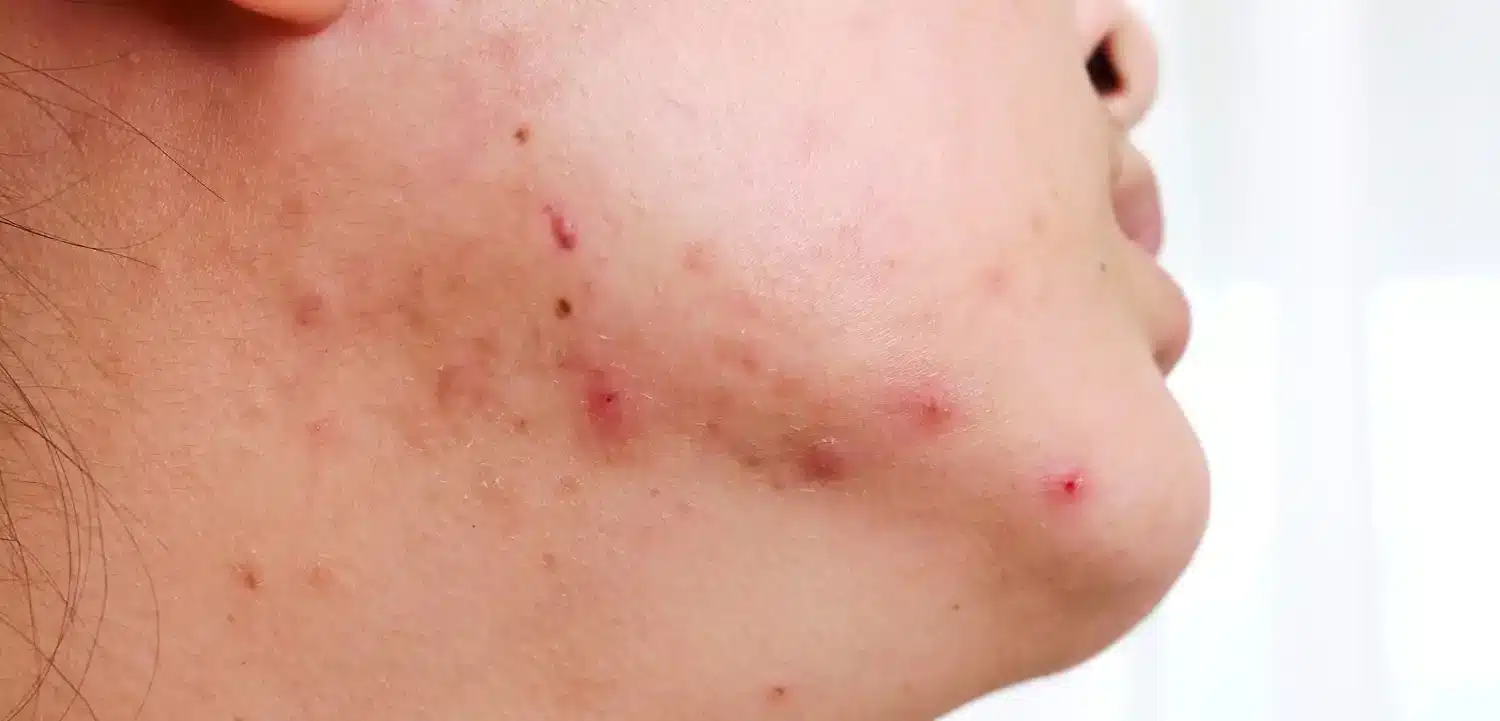
Chin acne refers to inflammatory and non-inflammatory acne lesions that specifically occur on the chin and jawline area. This type of acne is particularly common in adults and is often linked to hormonal fluctuations, making it a persistent concern for many individuals well into their twenties, thirties, and beyond.
Unlike teenage acne that typically affects the T-zone (forehead, nose, and central chin), adult chin acne tends to be deeper, more painful, and often appears as cystic lesions along the jawline and lower face. This condition can significantly impact self-confidence and quality of life, making professional treatment essential.
Understanding the causes
Five groups of triggers account for the majority of chin breakouts:
- Androgens (male hormones present in both men and women) stimulate sebaceous glands
- Menstrual cycles, pregnancy, and menopause can trigger breakouts
- Polycystic ovary syndrome (PCOS) often manifests as chin acne
- Birth control changes can disrupt hormonal balance
- Frequent touching of the chin area
- Resting chin on hands during work
- Tight clothing or accessories around the neck
- Cell phone contact with the jawline
- Face masks and facial coverings (maskne)
- Heavy, pore-clogging moisturizers or makeup
- Over-cleansing leading to irritation
- Using products not suitable for acne-prone skin
- Inadequate cleansing routine
- High glycemic index foods
- Dairy products (in some individuals)
- Processed foods and excess sugar
- Insufficient hydration
- Chronic stress increases cortisol production
- Poor sleep quality
- Lack of regular exercise
- Smoking and alcohol consumption
Types of chin acne
Non-inflammatory acne — clogged pores without redness or swelling.
Blackheads (open comedones). Small, dark spots on the skin surface. They result from oxidised sebum and dead skin cells, and are most common on the chin tip.
Whiteheads (closed comedones). Small, flesh-coloured bumps where pores are completely blocked. They often appear along the jawline.
Inflammatory acne — red, swollen, and often painful lesions.
Papules. Small, red, tender bumps that do not contain pus. Often painful to touch.
Pustules. Red bumps with white or yellow centres, containing pus and bacteria. Risk of scarring if picked or squeezed.
Nodules. Large, painful lumps deep under the skin. They take weeks to resolve and carry a high risk of scarring.
Cysts. Deep, pus-filled lesions — the most severe form of acne. These always require professional treatment.
Diagnosis and assessment
Before seeking treatment, evaluate your chin acne using these criteria:
- Severity
- Mild (few lesions), moderate (multiple lesions), or severe (numerous deep lesions).
- Type
- Predominantly comedonal, inflammatory, or mixed.
- Frequency
- Occasional, cyclical, or persistent.
- Pain level
- None, mild discomfort, or significant pain.
- Scarring
- No marks, temporary marks, or permanent scarring.
Professional treatment options
Grouped from topical self-care through to prescription medication and in-clinic procedures.
Applied to the skin
- RetinoidsTretinoin, adapalene, tazarotene. Promote cell turnover and prevent clogged pores; first-line treatment for most acne types. Require gradual introduction to minimise irritation.
- Benzoyl peroxideAntimicrobial properties kill acne bacteria. Available in 2.5%, 5%, and 10% concentrations and can be combined with other treatments. May cause dryness and bleaching.
- Topical antibioticsClindamycin and erythromycin are most common. Reduce bacterial population and are often combined with benzoyl peroxide. Short-term use to prevent resistance.
- Salicylic acidA beta-hydroxy acid (BHA) with anti-inflammatory properties. Excellent for comedonal acne; available in various concentrations.
Doctor-supervised
- AntibioticsDoxycycline, minocycline, azithromycin. For moderate to severe inflammatory acne, typically used for 3–6 months. Require probiotic support.
- Hormonal therapy (for women)Combined oral contraceptives and spironolactone for hormonal acne. Anti-androgen effects make these particularly effective for chin acne.
- IsotretinoinReserved for severe, scarring acne. Highly effective but requires monitoring, with significant side effects and precautions. A last resort option.
Professional procedures
- Chemical peelsSalicylic acid and glycolic acid peels improve texture and reduce comedones. A series of treatments is required, with minimal downtime.
- Extraction treatmentsProfessional removal of blackheads and whiteheads for immediate improvement in appearance. Should only be performed by professionals — risk of scarring if done incorrectly.
- Light and laser therapyBlue light for bacterial reduction, IPL for inflammatory acne, fractional lasers for acne scarring. Multiple sessions typically required.
- Corticosteroid injectionsFor large, painful cysts, giving rapid reduction in inflammation. Risk of temporary skin depression; an emergency treatment option.
At-home skincare routine
A simple morning · evening · weekly split for acne-prone chin and jawline skin.
Cleanse & protect
Cleanse & repair
Reset
Lifestyle modifications
Dietary considerations. What you eat will not single-handedly clear chin acne, but these adjustments support the rest of your treatment.
Foods to emphasise
- Low glycemic index foods
- Omega-3 fatty acids (fish, walnuts, flaxseed)
- Antioxidant-rich fruits and vegetables
- Adequate water intake (8–10 glasses daily)
- Zinc-rich foods (pumpkin seeds, chickpeas)
Foods to limit
- High sugar and processed foods
- Dairy products (if suspected trigger)
- Refined carbohydrates
- Excessive caffeine
- Trans fats and fried foods
- Stress management
- Effective techniques include regular exercise (3–4 times per week), meditation and mindfulness practices, adequate sleep (7–9 hours nightly), hobby engagement and social connection, and professional counselling if needed.
- Hygiene habits
- Change pillowcases 2–3 times per week, clean cell phone screens daily, avoid touching the face throughout the day, use clean towels and washcloths, and sanitise frequently touched items.
Prevention strategies
Four habits that keep chin acne from returning over the long term:
- Maintain routine even when skin is clear
- Use products appropriate for your skin type
- Make gradual changes to avoid irritation
- Regular exercise to regulate hormones
- Stress reduction techniques
- Consider hormonal evaluation if needed
- Keep hair products away from face
- Choose non-comedogenic cosmetics
- Maintain clean environment
- Regular dermatologist check-ups
- Professional treatments as needed
- Early intervention for new breakouts
When to see a professional
Regular professional care
- Quarterly skin assessments
- Treatment plan adjustments
- Professional extractions and peels
- Monitoring of prescription medications
- Scar prevention and treatment
Warning signs
- Rapidly worsening acne
- Severe pain or swelling
- Signs of bacterial infection
- Allergic reactions to treatments
- Emotional distress related to acne
FAQs
Why do I only get acne on my chin?
Chin acne is often hormonal, caused by androgen fluctuations that particularly affect the lower face and jawline. This area also experiences frequent touching and contact with phones, masks, and other objects.
Can diet really affect my chin acne?
Yes, certain foods with high glycemic indexes and dairy products may worsen acne in some individuals. However, dietary triggers vary person to person, and maintaining a balanced diet supports overall skin health.
How long does it take to see improvement?
Most acne treatments require 6–12 weeks to show significant improvement. Some people may see initial changes within 2–4 weeks, but patience and consistency are essential.
Is it safe to pop chin pimples?
No, picking or popping acne increases the risk of scarring, infection, and spreading bacteria. Professional extraction by a trained aesthetician or dermatologist is safer and more effective.
Can hormonal chin acne be cured permanently?
While hormonal acne can be effectively managed and controlled, it often requires ongoing treatment due to natural hormonal fluctuations throughout life. Many people achieve long-term clear skin with proper management.
Are expensive skincare products necessary?
Not necessarily. Effective acne treatment depends more on using the right active ingredients consistently than on product price. However, quality formulations may offer better tolerability and results.
Can stress alone cause chin acne?
While stress doesn’t directly cause acne, it can worsen existing conditions by increasing cortisol levels and triggering inflammatory responses. Stress management is an important component of acne treatment.
Is chin acne different from other types of acne?
Chin acne is often deeper, more painful, and more persistent than acne in other areas. It’s frequently hormonal and may require different treatment approaches than teenage acne.
Conclusion
Chin acne can be a persistent and frustrating condition, but with proper understanding, treatment, and prevention strategies, it can be effectively managed. The key to success lies in identifying underlying causes, maintaining consistent skincare routines, and seeking professional help when needed.
Remember that acne treatment is highly individual, and what works for one person may not work for another. Patience, consistency, and professional guidance are essential for achieving and maintaining clear skin. At Linia Skin Clinic, we understand the unique challenges of chin acne and offer personalised treatment plans to help you achieve your skincare goals.
If you’re struggling with persistent chin acne, don’t hesitate to schedule a consultation with our experienced dermatology team. Together, we can develop a comprehensive treatment plan tailored to your specific needs and skin type.