Butt acne is a common skin condition that affects many individuals, but it is often overlooked or misunderstood. Despite its name, butt acne is similar to acne that develops on the face, back, or chest, as it occurs when hair follicles become blocked with sweat, oil, dead skin cells, or bacteria. While it is rarely serious, butt acne can cause discomfort, pain, itching, and even temporary irritation when sitting, exercising, or wearing tight clothing.
Understanding the causes, identifying symptoms, and choosing effective treatments can help manage butt acne and prevent future breakouts.
What Is Butt Acne?
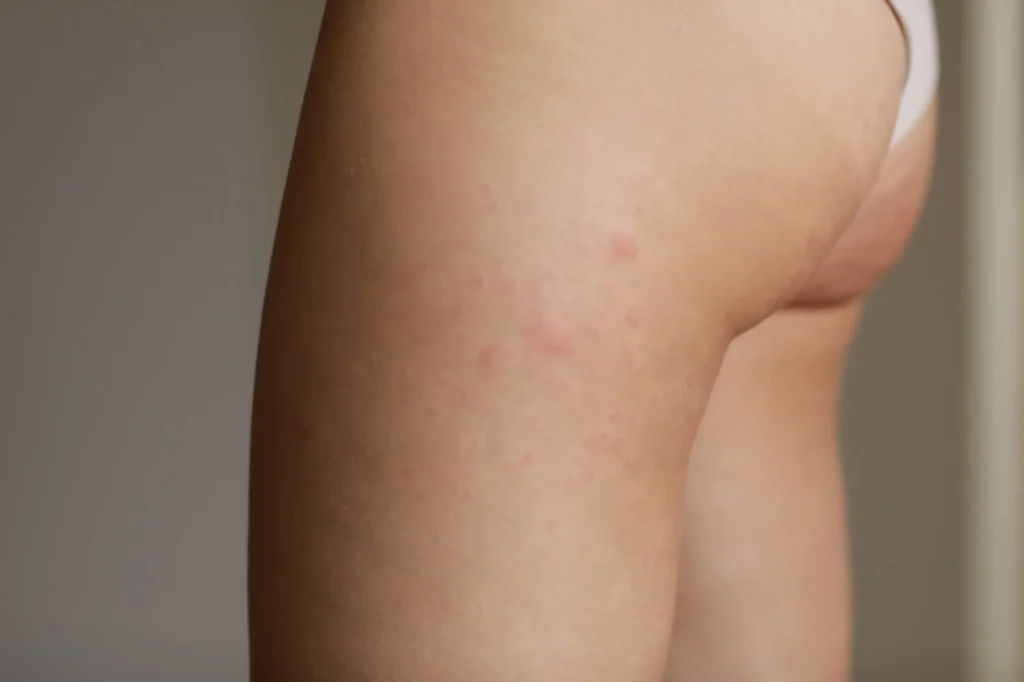
Butt acne refers to inflamed bumps, pimples, or cyst like lesions on the buttocks. The area has numerous hair follicles and sweat glands, making it susceptible to clogged pores and bacterial overgrowth. Butt acne can range from mild whiteheads or tiny bumps to larger, painful, and inflamed lesions.
Unlike facial acne, it can be harder to detect due to its location. Many people only notice the condition when discomfort or irritation occurs during sitting, exercise, or daily activities.
Common Symptoms of Butt Acne
Symptoms may vary depending on severity, but common signs include:
- Small red or white pimples on the buttocks
- Tenderness or soreness when sitting
- Itching or irritation in affected areas
- Pus filled spots in more severe cases
- Redness and inflammation around follicles
- Crusting or scabbing if lesions are scratched
- Hyperpigmentation or dark marks after healing
- Occasional follicle tenderness or sensitivity
Causes of Butt Acne
Butt acne rarely develops from a single cause. More often, multiple factors combine to trigger breakouts.
Excess Sweat and Friction
Sweating, especially during exercise or in warm weather, can trap bacteria and irritate hair follicles. Sitting for long periods in non breathable clothing increases friction and moisture, creating an environment where acne can thrive.
Blocked Hair Follicles
Dead skin cells, sweat, and friction from tight clothing can clog hair follicles. Once blocked, follicles become inflamed, allowing bacteria to grow and cause pimples or cysts.
Hormonal Fluctuations
Hormonal changes, particularly during puberty, stress, or hormonal imbalances, can increase oil production and contribute to butt acne.
Poor Hygiene or Harsh Cleansing
Infrequent washing allows sweat, dead skin cells, and bacteria to accumulate. Conversely, over scrubbing or using harsh soaps can damage the skin barrier, leading to inflammation and increased breakouts.
Clothing Choices
Tight, non breathable fabrics such as synthetic leggings, jeans, or workout gear can trap sweat and heat, worsening acne.
Underlying Skin Conditions
Certain conditions, including folliculitis, fungal infections, or seborrhoeic dermatitis, may mimic butt acne or make the skin more prone to breakouts.
Lifestyle and Diet
Dietary factors, chronic stress, lack of sleep, and sedentary habits may also contribute to inflammatory responses in the skin, making acne flare ups more likely.
Is Butt Acne Linked to Hair Loss?
Butt acne does not cause permanent hair loss. However, in rare cases of severe inflammation or persistent folliculitis, hair follicles may be temporarily weakened, causing minor shedding. Scratching or picking lesions can also damage skin and follicle structure.5
How Butt Acne Is Diagnosed
Accurate diagnosis is important, as treatments vary depending on the cause. A professional assessment may include:
- Detailed examination of the affected area
- Review of personal hygiene and clothing habits
- Identification of any underlying skin conditions
- Assessment of lesion severity, type, and inflammation
Differentiating between acne, folliculitis, fungal infections, and other dermal conditions ensures effective treatment.
Treatment Options for Butt Acne
Treatment depends on the severity and underlying cause. Mild cases may improve with home care, while moderate to severe acne may require medical intervention.
Topical Treatments
Over-the-counter creams and gels containing salicylic acid or benzoyl peroxide help unclog pores and reduce bacterial growth. Anti inflammatory creams or prescription retinoids may be recommended for persistent lesions.
Medicated Cleansers and Washes
Gentle, exfoliating body washes remove dead skin cells, regulate oil production, and support the healing of inflamed follicles. Ingredients like tea tree oil, benzoyl peroxide, or alpha hydroxy acids can be effective.
Professional Treatments
For persistent or severe butt acne, dermatologists may offer:
- Prescription topical medications
- Oral antibiotics for bacterial infections
- Targeted therapies to reduce inflammation and promote skin healing
- Laser or light therapies to reduce inflammation and improve skin texture
Lifestyle Adjustments
Simple changes in daily habits can help prevent flare ups:
- Wearing loose, breathable clothing made from natural fibres
- Showering promptly after sweating or exercising
- Changing out of wet or sweaty clothes quickly
- Avoiding harsh scrubbing or picking at lesions
- Keeping underwear and workout clothing clean and dry
Preventing Butt Acne
Prevention is key to long term management. Recommended strategies include:
- Maintain regular cleansing of the area with gentle, non irritating products
- Avoid tight clothing that traps heat and moisture
- Shower soon after physical activity
- Use non comedogenic body lotions if required
- Keep pillowcases, towels, and seat covers clean
- Avoid prolonged sitting when possible
- Manage stress and maintain a balanced diet to support skin health
When to Seek Professional Help
Seek a medical opinion if:
- Acne is painful, persistent, or spreading
- Home care fails to improve symptoms
- There is swelling, infection, or pus filled lesions
- Scarring or dark marks develop
- There is recurring inflammation despite preventive care
Early professional intervention can prevent complications, reduce discomfort, and restore skin health more effectively.
Supporting Healthy Skin on the Buttocks
Maintaining healthy skin involves consistent hygiene, careful product use, and lifestyle adjustments. With the right care, most cases of butt acne can be managed successfully, and the risk of recurrence can be minimised.
At Linia Skin Clinic, professional skin assessments and personalised treatment plans help patients address underlying causes of butt acne, relieve symptoms, and maintain long term skin health.