Scalp acne is a surprisingly common skin concern that affects people of all ages, yet it is often misunderstood or mistaken for dandruff or general scalp irritation. Because the scalp contains a high concentration of sebaceous glands and hair follicles, it is particularly vulnerable to congestion, inflammation, and bacterial imbalance.
Although scalp acne is rarely dangerous, it can cause discomfort, itching, tenderness, and in some cases may interfere with healthy hair growth. Understanding the underlying causes and choosing the right treatment approach is essential for achieving long term scalp health.
This comprehensive guide explains everything you need to know about scalp acne, including symptoms, causes, treatment options, professional solutions, and preventative care.
What Is Scalp Acne?
Scalp acne develops when hair follicles on the scalp become blocked by excess oil, dead skin cells, sweat, or product residue. Once a follicle is clogged, bacteria can multiply inside it, triggering inflammation and resulting in spots or bumps.
Unlike facial acne, scalp acne can be harder to detect because it is hidden beneath the hair. Many individuals only notice the condition when discomfort, itching, or tenderness appears while washing or brushing their hair.
Scalp acne can vary in severity. Some people experience small, scattered bumps, while others develop inflamed or painful lesions that persist without treatment.
Types of Scalp Acne
Scalp breakouts do not always look the same. Identifying the type can help determine the most effective treatment.
Mild Scalp Acne
This form includes small whiteheads or tiny bumps that may feel rough to the touch. Symptoms are usually mild and often linked to product build up or excess oil.
Moderate Inflammatory Acne
Red, swollen spots may develop and become tender or itchy. These lesions indicate inflammation within the follicle.
Severe Scalp Acne
In more advanced cases, deeper nodules or cyst like bumps can form. These may be painful and can increase the risk of scarring or temporary hair shedding if untreated.
Scalp Folliculitis
Often confused with acne, folliculitis occurs when hair follicles become inflamed due to bacteria, yeast, or fungal organisms. Professional assessment is sometimes required to distinguish between the two.
Common Symptoms of Scalp Acne
Symptoms may appear gradually and can fluctuate depending on lifestyle factors and scalp condition.
Common signs include:
- Small pimples or raised bumps on the scalp
- Redness or inflammation
- Tenderness when touching the scalp
- Itching or burning sensations
- Whiteheads or pus filled spots
- Crusting or flaking around lesions
- Increased scalp oiliness
- Sensitivity when brushing or styling hair
In some cases, inflammation around follicles may temporarily weaken hair strands, leading to mild shedding.
What Causes Scalp Acne?
Scalp acne rarely has a single cause. Instead, it usually develops due to a combination of internal and external factors.
Excess Sebum Production
Sebaceous glands naturally produce oil to protect the scalp and maintain hair hydration. When oil production becomes excessive, pores can become blocked, creating an environment where bacteria thrive.
Hormonal fluctuations, stress, and genetics often influence oil production levels.
Build Up From Hair Products
Styling creams, oils, waxes, dry shampoo, and heavy conditioners can accumulate on the scalp over time. If not thoroughly cleansed, these products may clog follicles and trigger breakouts.
Products containing occlusive ingredients may be particularly problematic for acne prone scalps.
Infrequent or Improper Cleansing
Not washing hair often enough allows sweat, oil, and environmental debris to collect. On the other hand, overly harsh cleansing can disrupt the scalp barrier, causing rebound oil production that worsens acne.
Sweat and Occlusion
Exercise, hot weather, and prolonged use of hats, helmets, or tight headwear create warm, humid conditions where bacteria multiply more easily.
Hormonal Changes
Hormonal shifts influence sebaceous gland activity. Teenagers, individuals experiencing stress, and those undergoing hormonal changes may notice increased scalp breakouts.
Microbial Imbalance
An imbalance of bacteria or yeast on the scalp can contribute to inflammation. Conditions such as fungal folliculitis or seborrhoeic dermatitis may mimic or worsen acne symptoms.
Diet and Lifestyle Factors
Although research is ongoing, high glycaemic diets, chronic stress, and poor sleep may contribute to inflammatory skin responses in some individuals.
Is Scalp Acne Linked to Hair Loss?
Scalp acne does not usually cause permanent hair loss. However, severe or untreated inflammation can temporarily disrupt the hair growth cycle.
Repeated inflammation may weaken follicles, and excessive scratching can damage the scalp surface. Early treatment helps protect both scalp comfort and hair density.
How Is Scalp Acne Diagnosed?
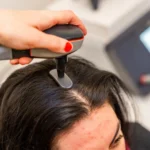
A professional skin consultation allows practitioners to evaluate the scalp closely and identify whether symptoms are caused by acne, folliculitis, dermatitis, or another scalp condition.
Diagnosis may involve:
- Visual scalp examination
- Assessment of lifestyle and haircare routine
- Evaluation of skin sensitivity and oil production
- Identification of triggering products or habits
Correct diagnosis ensures that treatment targets the root cause rather than only managing symptoms.
Effective Treatment Options for Scalp Acne
Treatment approaches vary depending on severity and underlying causes. A combination of home care and professional treatment often delivers the best results.
Medicated Shampoos
Specialist shampoos help cleanse follicles and reduce inflammation. Beneficial ingredients include:
- Salicylic acid to exfoliate and unclog pores
- Zinc compounds to regulate oil and bacteria
- Tea tree extract for antimicrobial support
- Ketoconazole when yeast involvement is suspected
Consistent use is essential, as occasional treatment rarely resolves persistent scalp acne.
Topical Treatments
Clinically guided topical solutions may include anti inflammatory or antibacterial formulations applied directly to affected areas. These treatments help calm irritation and prevent new lesions from forming.
Professional Clinical Treatments
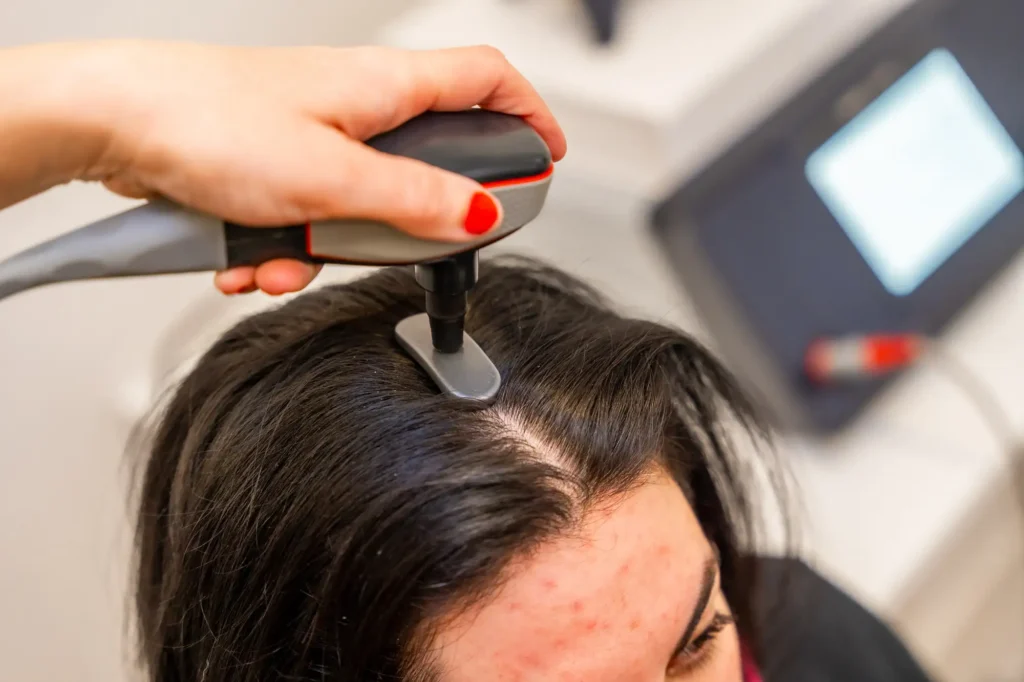
In clinic scalp therapies can deeply purify the scalp, remove congestion, and restore balance. Professional exfoliation and targeted treatment protocols support healing while improving the scalp environment for healthy hair growth.
Oral Medication
For severe or resistant cases, medical professionals may prescribe oral treatments to control inflammation or bacterial activity. These are typically recommended only when topical treatments alone are insufficient.
Daily Habits That Help Prevent Scalp Acne
Long term management depends heavily on daily habits and consistent scalp care.
Recommended practices include:
- Washing hair regularly based on scalp oil levels
- Thoroughly rinsing conditioner away from the scalp
- Choosing lightweight and non pore clogging hair products
- Avoiding excessive touching or scratching
- Cleaning pillowcases and hair tools frequently
- Showering soon after exercise
- Managing stress levels where possible
Small routine adjustments often produce significant improvements over time.
Ingredients to Look For and Avoid
Helpful Ingredients
- Salicylic acid
- Niacinamide
- Zinc
- Mild exfoliating acids
- Antifungal agents when appropriate
Ingredients That May Worsen Breakouts
- Heavy oils applied directly to the scalp
- Thick wax based styling products
- Excessively fragranced formulations
- Residue forming dry shampoos used frequently without washing
When Should You Seek Professional Treatment?
Professional advice is recommended if:
- Breakouts are painful or persistent
- Over the counter treatments do not improve symptoms
- You notice swelling or spreading inflammation
- Hair thinning develops around affected areas
- The scalp becomes highly sensitive or infected
Early intervention reduces the risk of complications and helps restore scalp balance more efficiently.
Supporting Healthy Scalp and Hair Long Term
A healthy scalp forms the foundation of healthy hair. Addressing scalp acne involves more than treating visible spots. It requires restoring balance to oil production, maintaining a healthy skin barrier, and supporting the scalp microbiome.
At Linia Skin Clinic, personalised skin assessments allow practitioners to identify the underlying causes of scalp concerns and create tailored treatment plans designed for lasting results. With professional guidance and consistent care, most cases of scalp acne can be effectively managed and prevented from recurring.