
Have you ever noticed that your skin breaks out during stressful periods or around certain times of the month? You’re not imagining things. At Linia Skin Clinic, we frequently see patients whose acne flares are directly connected to stress levels and hormonal fluctuations. Understanding this intricate relationship is key to developing effective treatment strategies that address the root causes of your skin concerns.
The Science Behind Stress-Induced Acne
When you’re stressed, your body initiates a complex cascade of hormonal responses that directly impact your skin health. Here’s what happens beneath the surface:
The Cortisol Connection
Stress triggers the release of cortisol, often called the “stress hormone.” Elevated cortisol levels stimulate your sebaceous glands to produce excess oil, creating the perfect environment for acne-causing bacteria to thrive. Additionally, cortisol can slow down skin cell turnover, leading to clogged pores and inflammation.
Inflammatory Response
Chronic stress creates a state of low-grade inflammation throughout your body, including your skin. This inflammatory environment not only triggers new breakouts but also prolongs the healing process of existing acne lesions, leading to more persistent and severe skin issues.
Hormonal Acne: More Than Just “That Time of the Month”
Hormonal fluctuations don’t just affect women during menstruation. At Linia Skin Clinic, we treat hormonal acne in patients of all ages and genders, understanding that various life stages bring different hormonal challenges.
Common Hormonal Triggers Include:
- Menstrual cycles – fluctuating estrogen and progesterone levels
- Pregnancy and postpartum – dramatic hormonal shifts
- Menopause – declining estrogen levels
- PCOS – elevated androgen levels
- Puberty – surging sex hormones
- Thyroid disorders – disrupted metabolism and skin function
The Androgen Effect
Androgens, particularly testosterone and DHT (dihydrotestosterone), are major culprits in hormonal acne. These hormones stimulate sebaceous glands to produce more oil and can cause skin cells to become “stickier,” making pore blockages more likely. This explains why hormonal acne often appears along the jawline, chin, and lower face area.
Breaking the Stress-Acne Cycle
One of the most challenging aspects of stress-related acne is the vicious cycle it creates. Stress causes breakouts, and breakouts cause more stress, perpetuating the problem. Recognizing this pattern is the first step toward breaking free from it.
Identifying Your Stress Triggers
Common stress-related acne triggers our patients report include:
- Work deadlines and pressure
- Relationship conflicts
- Financial concerns
- Lack of sleep
- Poor dietary choices during stressful periods
- Inconsistent skincare routines due to busy schedules
The Mind-Skin Connection: Beyond Surface Treatment
At Linia Skin Clinic, we understand that effective acne treatment often requires a holistic approach that addresses both the physical and psychological aspects of skin health.
Stress Management Strategies That Benefit Your Skin:
- Regular exercise – reduces cortisol levels and improves circulation
- Mindfulness and meditation – proven to lower stress hormones
- Adequate sleep – allows skin to repair and regenerate
- Consistent daily routines – reduces overall life stress
- Professional counseling – helps develop healthy coping mechanisms

Hormonal Acne Treatment Approaches
Topical Solutions
Our dermatologists may recommend specialized topical treatments that target hormonal acne, including retinoids, benzoyl peroxide, or prescription combinations that address both inflammation and oil production.
Hormonal Therapies
For appropriate candidates, hormonal treatments such as oral contraceptives, spironolactone, or other anti-androgen medications can be highly effective in managing hormonal acne by addressing the root cause.
Professional Procedures
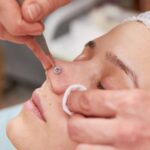
Advanced treatments like chemical peels, LED light therapy, or professional extractions can complement your at-home routine and provide faster results for stress-related breakouts.
Lifestyle Modifications for Clearer Skin
Nutrition and Hydration
Chronic stress often leads to poor dietary choices, which can exacerbate acne. Focus on:
- Anti-inflammatory foods rich in omega-3 fatty acids
- Adequate water intake to support skin detoxification
- Limited sugar and dairy, which can trigger hormonal responses
- Regular meal timing to stabilize blood sugar and hormone levels
Skincare During Stressful Times
When life gets overwhelming, maintaining a consistent skincare routine becomes even more crucial. Our team at Linia Skin Clinic recommends:
- Gentle, non-comedogenic cleansers
- Stress-fighting ingredients like niacinamide and ceramides
- Consistent morning and evening routines, even when time is limited
- Avoiding over-cleansing or harsh scrubbing during breakouts
When to Seek Professional Help
While understanding the stress-acne connection is empowering, persistent hormonal or stress-related acne often requires professional intervention. Consider consulting with our dermatologists at Linia Skin Clinic if you experience:
- Acne that correlates with menstrual cycles or life stressors
- Deep, painful cystic lesions
- Scarring from previous breakouts
- Emotional distress related to skin appearance
- Lack of improvement with over-the-counter treatments
Personalized Treatment at Linia Skin Clinic
Every patient’s stress and hormonal patterns are unique, which is why we develop individualized treatment plans that consider your lifestyle, stress levels, and hormonal health. Our comprehensive approach includes:
- Detailed consultation to identify your specific triggers
- Customized skincare regimens
- Stress management resources and referrals
- Hormonal evaluation when appropriate
- Ongoing support and treatment adjustments
The Path to Balanced Skin
Managing stress and hormone-related acne isn’t about achieving perfection—it’s about understanding your skin’s patterns and developing sustainable strategies for long-term skin health. With the right combination of professional treatment, lifestyle modifications, and stress management techniques, you can break free from the stress-acne cycle.
Remember, your skin is a reflection of your overall health and well-being. By addressing the underlying causes of stress and hormonal imbalances, you’re not just treating acne—you’re investing in your comprehensive health and quality of life.
Ready to understand your skin’s unique patterns? Schedule a consultation with Linia Skin Clinic today. Our experienced team will help you identify your specific triggers and develop a personalized treatment plan that addresses both the symptoms and root causes of your acne.