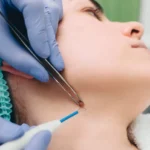

Discovering a lump on your forehead can be concerning, but forehead cysts are remarkably common and usually harmless. At Linia Skin Clinic, we regularly treat patients seeking professional cyst removal, and we understand the questions and concerns you may have. This comprehensive guide covers everything you need to know about forehead cysts and their removal.
What Are Forehead Cysts?
A cyst is a closed sac-like structure filled with fluid, semi-solid material, or air. When they develop on the forehead, they typically appear as small, round bumps beneath the skin’s surface. The most common types of cysts found on the forehead include:
Epidermoid Cysts
These are the most frequent type of facial cyst. They form when skin cells burrow beneath the skin’s surface instead of shedding naturally. These cysts contain a thick, yellow, cheese-like substance called keratin. Epidermoid cysts are slow-growing, painless, and usually range from a few millimetres to several centimetres in diameter.
Sebaceous Cysts
Although the term “sebaceous cyst” is commonly used, true sebaceous cysts are quite rare. What people often refer to as sebaceous cysts are actually epidermoid cysts. True sebaceous cysts originate from the glands that secrete oily matter lubricating hair and skin.
Pilar Cysts
Also known as trichilemmal cysts, these are less common on the forehead but can occur. They’re more frequently found on the scalp and contain keratin.
What Causes Forehead Cysts?
Several factors can contribute to cyst formation on the forehead:
- Blocked sebaceous glands: When these glands become obstructed, cysts can develop
- Trauma to the skin: Previous injuries or surgical sites may lead to cyst formation
- Damaged hair follicles: Irritation or damage to follicles can trigger cyst development
- Genetics: Some people are more predisposed to developing cysts
- Acne: Severe acne can sometimes lead to cyst formation
- Sun damage: Prolonged sun exposure may contribute to certain types of cysts
It’s important to note that cysts are not caused by poor hygiene and are not contagious.
Identifying a Forehead Cyst
Forehead cysts typically present with the following characteristics:
- Small, round bump beneath the skin
- Smooth texture when touched
- Usually painless (unless infected or inflamed)
- Flesh-coloured or slightly yellow
- Slow-growing over months or years
- Mobile when pressed gently
- May have a visible central pore (punctum)
- Can sometimes become red, swollen, or tender if infected
If you notice any of these signs, it’s advisable to consult a dermatologist or skin specialist for proper diagnosis.
Why Should You Consider Professional Removal?
While forehead cysts are generally benign, there are several reasons why patients choose to have them removed:
Medical Reasons
- Infection: Cysts can become infected, causing pain, redness, and swelling
- Inflammation: Even without infection, cysts may become inflamed and uncomfortable
- Rupture: A cyst that ruptures internally can cause inflammation and potential complications
- Uncertainty: Professional examination can confirm the lump is indeed a benign cyst
Cosmetic Reasons
- Visible appearance: Forehead cysts are in a prominent location and may affect confidence
- Size concerns: Growing cysts may become increasingly noticeable
- Personal preference: Many patients simply prefer a smooth forehead contour
Practical Reasons
- Interference: Larger cysts may interfere with wearing glasses or hats
- Risk of trauma: Forehead location increases risk of accidental bumps or injury to the cyst
What Does Cyst Removal Involve?
At Linia Skin Clinic, we offer professional, minimally invasive cyst removal procedures. Here’s what you can expect:
Initial Consultation
During your first visit, our experienced practitioners will:
- Examine the cyst thoroughly
- Confirm the diagnosis
- Discuss your medical history
- Explain the removal procedure options
- Answer all your questions and concerns
- Provide a treatment plan tailored to your needs
The Removal Procedure
The standard method for cyst removal is a minor surgical procedure performed under local anaesthetic:
- Preparation: The area is thoroughly cleansed and sterilised
- Local anaesthetic: A small injection numbs the area completely
- Incision: A small, precise incision is made over the cyst
- Removal: The entire cyst sac is carefully extracted to prevent recurrence
- Closure: The incision is closed with fine sutures for optimal healing
- Dressing: A protective dressing is applied
The procedure typically takes 20-30 minutes, depending on the cyst’s size and location.
Alternative Treatments
For certain types of cysts, alternative approaches may be considered:
- Drainage: Suitable for infected cysts requiring immediate relief, though recurrence is more likely
- Injection: Corticosteroid injections can reduce inflammation in some cases
- Minimal excision technique: For smaller cysts, this involves a tiny incision and extraction
Recovery and Aftercare
Proper aftercare is essential for optimal healing and minimal scarring:
Immediate Aftercare (First 24-48 Hours)
- Keep the area clean and dry
- Apply ice packs to reduce swelling (wrapped in a clean cloth)
- Take prescribed pain relief if needed
- Avoid touching or pressing the treated area
- Keep the dressing in place as instructed
Ongoing Care (First Week)
- Gently clean the area as directed by your practitioner
- Apply any prescribed antibiotic ointment
- Change dressings regularly
- Avoid strenuous exercise or activities that cause sweating
- Sleep with your head slightly elevated
- Avoid direct sun exposure to the treated area
Longer-Term Care
- Attend your follow-up appointment for suture removal (usually 5-7 days)
- Massage the scar gently once healed to improve appearance
- Use sunscreen on the treated area to prevent hyperpigmentation
- Monitor for any signs of infection or complications
Signs to Watch For
Contact your clinic immediately if you experience:
- Increasing pain, redness, or swelling
- Pus or unusual discharge
- Fever or feeling generally unwell
- Excessive bleeding
- Sutures coming loose
Will There Be a Scar?
Scarring is an inevitable part of any surgical procedure, but several factors influence the final appearance:
Factors Affecting Scarring
- Surgical technique: Expert practitioners use meticulous techniques to minimise scarring
- Incision size: Smaller incisions generally result in less visible scars
- Location: The forehead generally heals well with minimal scarring
- Individual healing: Genetics play a role in how your skin heals
- Aftercare: Following post-procedure instructions significantly impacts scar appearance
Minimising Scar Appearance
At Linia Skin Clinic, we:
- Use the finest surgical techniques and instruments
- Place incisions strategically, often along natural skin lines
- Close wounds meticulously with fine sutures
- Provide comprehensive aftercare guidance
- Offer scar management treatments if needed
Most patients find that forehead cyst removal scars fade significantly over 6-12 months and become barely noticeable.
Can Cysts Come Back?
When cyst removal is performed correctly, recurrence is rare. The key is complete removal of the cyst sac. If any part of the sac wall remains, the cyst can regrow. This is why professional removal is strongly recommended over attempting home treatment.
At Linia Skin Clinic, our practitioners ensure complete cyst removal to minimise the risk of recurrence.
Why Home Removal Is Not Recommended
Many patients wonder about removing cysts at home, but this is strongly discouraged for several reasons:
- Incomplete removal: The entire cyst sac must be removed to prevent recurrence
- Infection risk: Non-sterile conditions significantly increase infection risk
- Scarring: Improper technique often results in worse scarring
- Complications: Rupturing the cyst internally can cause inflammation and pain
- Misdiagnosis: What appears to be a cyst might be something else requiring different treatment
Professional removal ensures proper diagnosis, complete extraction, and optimal cosmetic results.
What About Infected Cysts?
If your forehead cyst becomes infected, you may notice:
- Increased pain and tenderness
- Redness and warmth around the cyst
- Swelling
- Pus-filled appearance
- Unpleasant odour
Infected cysts require prompt medical attention. Treatment typically involves:
- Antibiotics to clear the infection
- Possible incision and drainage for immediate relief
- Complete removal once the infection has resolved
Never attempt to squeeze or drain an infected cyst yourself, as this can worsen the infection and cause it to spread.
The Cost of Forehead Cyst Removal
The cost of cyst removal varies depending on several factors:
- Size and complexity of the cyst
- Type of procedure required
- Whether histology (laboratory analysis) is needed
- Follow-up care requirements
At Linia Skin Clinic, we provide transparent pricing during your initial consultation. We believe in offering excellent value whilst maintaining the highest standards of care.
Booking Your Consultation
If you have a cyst on your forehead that concerns you, the first step is scheduling a consultation at Linia Skin Clinic. During this appointment, we’ll:
- Provide expert assessment and diagnosis
- Discuss your treatment options
- Address all your questions and concerns
- Create a personalised treatment plan
- Provide clear cost information
Our experienced team has successfully treated countless patients with forehead cysts, helping them achieve smooth, clear skin with minimal downtime.
Frequently Asked Questions
Is cyst removal painful? The procedure is performed under local anaesthetic, so you won’t feel pain during removal. You may feel some pressure or tugging sensations. Post-procedure discomfort is typically mild and manageable with over-the-counter pain relief.
How long does recovery take? Most patients return to normal activities within a few days. Sutures are typically removed after 5-7 days, and complete healing occurs within 2-3 weeks.
Will I need time off work? Most patients return to work the next day or within a few days, depending on their occupation and comfort level.
Can cysts turn cancerous? True epidermoid and sebaceous cysts are benign and do not become cancerous. However, any unusual skin growth should be examined by a professional to rule out other conditions.
At what age can cyst removal be performed? Cyst removal can be performed at any age, though we assess paediatric cases individually. For children and adolescents, we ensure they’re comfortable with the procedure.