
Understanding Body Acne
Body acne operates on the same basic principle as facial acne—pores become clogged with oil, dead skin cells, and bacteria, leading to inflammation and breakouts. However, body acne presents unique challenges due to several factors:
- The skin on your body is typically thicker than facial skin
- Body skin has larger pores and more oil glands in certain areas
- Clothing creates friction and traps sweat against the skin
- Body areas are often harder to reach for proper cleansing and treatment
- Sweating during exercise and daily activities particularly affects body areas
Many people focus their skincare routines exclusively on their face, neglecting body care until breakouts become severe or persistent. Understanding the distinct nature of body acne is essential for effective treatment.

Common Causes of Body Acne
Several factors contribute to the development of body acne:
Excess Sebum Production
Overactive oil glands produce excess sebum, which can clog pores. This is often hormonally driven and can affect various body areas, particularly the back, chest, and shoulders where oil glands are more concentrated.
Bacterial Overgrowth
Cutibacterium acnes (formerly Propionibacterium acnes) bacteria naturally live on the skin, but when trapped in clogged pores with excess oil, they multiply rapidly and trigger inflammation.
Dead Skin Cell Buildup
When the body doesn’t shed dead skin cells efficiently, they can accumulate and clog pores, especially in areas where skin cell turnover is slower or exfoliation is neglected.
Friction and Pressure
Tight clothing, backpacks, sports equipment, and even prolonged sitting can create friction and pressure that irritate follicles, leading to a specific type of acne called acne mechanica.
Sweat and Moisture
Sweat itself doesn’t cause acne, but when it mixes with oils and bacteria and remains on the skin for extended periods, it creates an ideal environment for acne development.
Product Buildup
Body lotions, sunscreens, laundry detergents, fabric softeners, and hair products can contain comedogenic ingredients that clog pores.
Hormonal Fluctuations
Changes in hormone levels during puberty, menstruation, pregnancy, or conditions like PCOS can trigger increased oil production throughout the body.
Medication Side Effects
Certain medications, including corticosteroids, androgens, lithium, and some anti-epileptic drugs, can contribute to body acne as a side effect.
Types of Body Acne
Body acne manifests in several forms, similar to facial acne:
Comedonal Acne
Non-inflammatory acne that appears as blackheads (open comedones) or whiteheads (closed comedones). These form when pores become clogged with oil and dead skin cells.
Papules and Pustules
Inflammatory acne lesions that appear as red, tender bumps (papules) or white/yellow center-filled bumps (pustules). These occur when bacteria infect clogged pores.
Nodules and Cysts
Severe, deep-seated inflammatory lesions that form painful lumps beneath the skin’s surface. These can be particularly common on the back and are more likely to cause scarring.
Folliculitis
An inflammation of hair follicles that resembles acne but is often caused by bacterial or fungal infections. Common in areas where friction and sweat occur together.
Body-Specific Acne Locations
Back Acne (“Bacne”)
The back has a high concentration of oil glands and is difficult to reach for proper cleansing. Sweat trapped under clothing and friction from backpacks or chairs can worsen back acne.
Chest Acne
The chest has thin, sensitive skin with numerous oil glands. This area is prone to sweating and is often exposed to hair care products that run down from the hair.
Shoulder Acne
Often triggered by friction from backpack straps, bra straps, or athletic equipment. Post-workout sweat can exacerbate the problem if not cleansed properly.
Buttock Acne
Despite popular belief, most “buttock acne” is actually folliculitis rather than true acne. It’s commonly caused by tight clothing, sweating, and sitting for long periods.
Upper Arm Bumps
Small, rough bumps on the upper arms are often keratosis pilaris (a buildup of keratin in hair follicles) rather than acne, though they can look similar and benefit from some of the same treatments.
Treatment Options
Over-the-Counter Solutions
Benzoyl Peroxide Body Washes (4-10%)
Works by killing acne-causing bacteria and reducing inflammation. Higher concentrations are generally better tolerated on body skin than on facial skin. Be cautious as it can bleach fabrics.
Salicylic Acid Products (2%)
This beta-hydroxy acid penetrates oil glands to exfoliate inside the pores. Available in body washes, sprays, and lotions, making it ideal for treating hard-to-reach areas like the back.
Alpha Hydroxy Acids
Glycolic and lactic acid products help remove dead skin cells and prevent clogged pores. They’re particularly effective for smoother skin texture and reducing post-acne marks.
Sulfur Treatments
Products containing sulfur have mild antibacterial properties and help reduce oil production. They’re less common but can be effective for mild to moderate body acne.
Retinol Body Products
Over-the-counter retinol can accelerate cell turnover and prevent clogged pores. These are typically better used as leave-on treatments rather than wash-off products.
Prescription Treatments
For more severe or persistent body acne, dermatologists may prescribe:
Topical or Oral Antibiotics
Clindamycin, doxycycline, or minocycline can reduce bacteria and inflammation in moderate to severe cases.
Prescription-Strength Retinoids
Tretinoin, adapalene, or tazarotene creams or gels can be prescribed for more powerful exfoliation and prevention of clogged pores.
Hormonal Treatments
For women whose body acne appears hormonal in nature, birth control pills or anti-androgen medications like spironolactone might be recommended.
Isotretinoin
For severe, cystic, and scarring body acne that doesn’t respond to other treatments, oral isotretinoin may be prescribed under close medical supervision.
Professional Treatments
Chemical Peels
Professional-strength alpha and beta hydroxy acid peels can provide deeper exfoliation than at-home products.
Light and Laser Therapies
Blue light therapy targets acne-causing bacteria, while other lasers can reduce inflammation and help with acne scarring.
Extraction Procedures
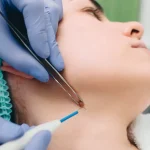
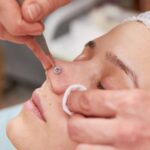
Dermatologists can safely extract deep clogged pores that don’t respond to topical treatments.
Steroid Injections
For large, painful cystic lesions, intralesional steroid injections can provide rapid relief and reduce scarring risk.
Daily Skincare Routine for Body Acne
Morning Routine
- Cleanse: Use an acne-fighting body wash containing benzoyl peroxide or salicylic acid.
- Treat: Apply a lightweight, non-comedogenic treatment lotion to affected areas.
- Protect: Use oil-free, non-comedogenic sunscreen on exposed areas to prevent post-inflammatory hyperpigmentation.
Evening Routine
- Cleanse: Shower after workouts or at the end of the day with an acne-targeted body wash.
- Exfoliate: 2-3 times weekly, use a chemical exfoliant (avoid harsh physical scrubs that can inflame acne).
- Treat: Apply prescription treatments or stronger leave-on products at night.
- Moisturise: Use a lightweight, non-comedogenic moisturiser if skin feels dry from treatments.
Hard-to-Reach Areas
For back acne, consider:
- Long-handled cleansing brushes or washcloths
- Spray-on treatments that can be applied at angles
- Asking a partner for help applying treatments
Prevention Strategies
Clothing Considerations
- Choose loose-fitting, breathable fabrics like cotton or moisture-wicking athletic materials
- Change out of sweaty clothes promptly after exercise
- Avoid rewearing clothes without washing
- Consider using fragrance-free, hypoallergenic laundry detergent
Shower Habits
- Shower immediately after sweating
- Use body-specific acne cleansers
- Wash body after hair to remove shampoo and conditioner residue
- Pat skin dry rather than rubbing to avoid irritation
Lifestyle Adjustments
- Use clean towels and washcloths with each shower
- Change bed sheets weekly
- Disinfect sports equipment that touches your skin
- Avoid touching or picking at body acne
- Clean your phone, headphones and any other items that regularly touch your skin
When to See a Dermatologist
Consult a dermatologist if:
- Your body acne is severe, painful, or widespread
- Over-the-counter treatments haven’t helped after 6-8 weeks
- You’re developing scars or dark spots
- The acne is causing significant emotional distress
- You suspect your breakouts might be folliculitis or another skin condition
- Body acne appears suddenly in adulthood, which may signal an underlying condition
Lifestyle Factors That Impact Body Acne
Diet
While research is ongoing, some studies suggest connections between acne and:
- High-glycemic foods that spike blood sugar
- Dairy products, particularly skim milk
- Whey protein supplements
- Foods high in iodides (including many protein supplements)
Stress Management
Stress increases cortisol production, which can worsen acne by stimulating oil glands. Consider:
- Regular exercise (followed by proper cleansing)
- Meditation or mindfulness practices
- Adequate sleep (7-9 hours nightly)
- Stress-reduction techniques like yoga or deep breathing
Exercise Considerations
- Wear clean, loose-fitting workout clothes
- Remove makeup before exercising
- Shower immediately after workouts
- If immediate showering isn’t possible, use cleansing wipes specifically designed for acne-prone skin
FAQs About Body Acne
Q: Is body acne different from facial acne?
Answer: While the fundamental causes are similar, body acne often requires different treatment approaches due to the skin’s thickness, larger pore size, and unique environmental factors like clothing friction and sweat.
Q: Why do I only have acne on my back and shoulders?
Answer: These areas have more oil glands and are prone to sweat buildup. They’re also exposed to friction from clothing and straps, and are harder to reach for proper cleansing.
Q: Can sun exposure help clear body acne?
Answer: While sun exposure might temporarily improve acne’s appearance due to anti-inflammatory effects and drying oily skin, the benefits are short-lived. UV exposure can lead to post-inflammatory hyperpigmentation, making acne marks more noticeable and lasting longer. Always use non-comedogenic sunscreen.
Q: How long does it take to clear body acne?
Answer: With consistent treatment, expect to see initial improvement within 4-6 weeks. More significant clearing typically occurs within 2-3 months of dedicated treatment. Severe cases may take longer and require professional medical care.
Q: Can body acne be permanently cured?
Answer: While acne can be effectively managed and brought into remission, those genetically predisposed to acne may experience flare-ups throughout life, especially during hormonal changes. Consistent maintenance routines can minimize these occurrences.
Q: Does body acne indicate poor hygiene?
Answer: No, body acne is not simply caused by poor hygiene. While regular cleansing is important, acne is primarily influenced by factors like hormones, genetics, products used, and how your skin cells function. Even those with meticulous hygiene can experience body acne.
Q: Should I avoid moisturizing if I have body acne?
Answer: No, proper hydration is important even for acne-prone skin. Choose non-comedogenic, oil-free moisturizers labeled for acne-prone skin, and apply them to clean skin. Dry skin can actually trigger increased oil production and worsen acne.