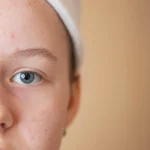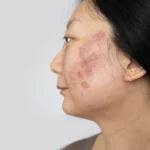
Fungal acne, despite its common name, isn’t actually acne at all. This comprehensive guide explores what fungal acne (malassezia folliculitis) really is, how to identify it, effective treatment options, and prevention strategies to help you achieve clearer, healthier skin.
Understanding Fungal Acne
Fungal acne, medically known as Malassezia folliculitis or pityrosporum folliculitis, is a fungal infection of the hair follicles. Despite its common name, it isn’t true acne at all, though it can look remarkably similar to bacterial acne. This misidentification often leads to ineffective treatment approaches.
Malassezia is a genus of fungi that naturally lives on everyone’s skin. Normally, it exists in harmony with your skin’s ecosystem. However, when this yeast overgrows, it can invade hair follicles, causing inflammation, itching, and an acne-like rash.
The key distinction from regular acne is the underlying cause: while bacterial acne is driven by the Cutibacterium acnes bacteria, fungal acne is caused by an overgrowth of the Malassezia yeast. This fundamental difference means that typical acne treatments often fail to resolve fungal acne and may even make it worse.

Fungal vs. Bacterial Acne: Spot the Difference
Correctly identifying fungal acne is crucial for effective treatment. Here’s how to distinguish it from bacterial acne:
Appearance
- Fungal acne: Uniform in size, small (1-2mm) bumps that can be red or skin-colored. They typically appear in clusters of similar-looking pustules.
- Bacterial acne: Varied in size and appearance, ranging from blackheads and whiteheads to larger red papules and pustules.
Location
- Fungal acne: Predominantly affects the upper back, shoulders, chest, and sometimes the upper arms, neck, or face. Often appears in areas where you sweat most.
- Bacterial acne: Can appear anywhere but is most common on the face, with a tendency to affect the T-zone.
Symptoms
- Fungal acne: Often intensely itchy, especially when you’re hot or sweaty. The itchiness is a major distinguishing factor.
- Bacterial acne: Typically painful or tender rather than itchy.
Pattern
- Fungal acne: Appears in clusters of uniform bumps that develop suddenly, often after triggering events like humid weather or antibiotic use.
- Bacterial acne: Development is usually more gradual with varied types of lesions at different stages.
Response to Treatment
- Fungal acne: Doesn’t improve with traditional acne medications like benzoyl peroxide or antibiotics, and may worsen with some treatments.
- Bacterial acne: Typically responds to conventional acne treatments over time.
Common Causes of Fungal Acne
Understanding what triggers fungal acne is essential for effective treatment and prevention:
Yeast Overgrowth
Malassezia yeast thrives in warm, humid environments and feeds on oils (sebum) on your skin. When conditions favor its growth, the yeast can proliferate beyond normal levels.
Heat and Humidity
Warm, moist environments create ideal conditions for Malassezia to multiply. This explains why fungal acne flares are common in summer, tropical climates, or after excessive sweating.
Excessive Sweating
Trapped sweat provides both moisture and warmth that fungi need to thrive, especially when sweat-soaked clothing remains in contact with skin for extended periods.
Occlusive Clothing and Products
Non-breathable fabrics and occlusive skincare ingredients (like heavy oils) can trap heat and moisture against the skin, creating a favorable environment for fungal growth.
Compromised Skin Barrier
A weakened skin barrier from over-exfoliation, harsh products, or skin conditions can make it easier for Malassezia to penetrate hair follicles.
Antibiotic Use
Both topical and oral antibiotics can disrupt the normal balance of microorganisms on your skin. By reducing bacteria, they can inadvertently create space for fungi to overgrow.
Immunosuppression
Weakened immune systems (from medications or conditions) can reduce your body’s ability to keep Malassezia growth in check.
Diet
High-carbohydrate diets may fuel Malassezia growth, as the yeast feeds on sugars as well as oils.
Risk Factors
Certain factors can increase your susceptibility to fungal acne:
Individual Factors
- Oily skin
- Excessive sweating
- History of seborrheic dermatitis, dandruff, or other fungal skin infections
- Compromised immune system
- Diabetes
Environmental Factors
- Living in hot, humid climates
- Regular hot tub or sauna use
- Wearing tight, synthetic workout clothes for extended periods
- Infrequent showering after sweating
Medical Factors
- Recent antibiotic treatment
- Use of corticosteroids
- Immunosuppressive medications
Treatment Options
Treating fungal acne requires a targeted approach focused on reducing the fungal overgrowth:
Over-the-Counter Antifungal Options
Antifungal Creams and Body Washes
- Ketoconazole (1% available OTC in many countries): Available as shampoos (like Nizoral), which can be used as a brief contact therapy on affected areas.
- Clotrimazole or Miconazole: Often marketed for athlete’s foot or jock itch, these creams can effectively treat fungal acne.
- Pyrithione Zinc: Found in dandruff shampoos, this ingredient has antifungal properties and can be used as a wash.
- Selenium Sulfide: Another antifungal ingredient found in dandruff shampoos that can help with Malassezia overgrowth.
Application Method
For shampoos and washes, apply to affected areas, leave on for 5-10 minutes before rinsing. For creams, apply a thin layer to affected areas after cleansing, typically twice daily.
Prescription Treatments
For more severe or persistent fungal acne, dermatologists may prescribe:
Topical Prescriptions
- Prescription-strength ketoconazole (2%)
- Econazole or ciclopirox creams
- Sulfur-based preparations
Oral Medications
- Fluconazole
- Itraconazole
- Ketoconazole tablets
Oral antifungals are typically reserved for severe or resistant cases due to potential side effects and drug interactions.
Complementary Approaches
Sulfur Treatments
Sulfur has both antifungal and keratolytic properties, making it effective for fungal acne. Available in soaps, ointments, and masks.
Tea Tree Oil
When properly diluted (never use undiluted), tea tree oil has natural antifungal properties that may help with mild cases.
Azelaic Acid
Has both antibacterial and antifungal properties, with the added benefit of reducing hyperpigmentation from previous breakouts.
Fungal Acne-Safe Exfoliants
Gentle chemical exfoliants like salicylic acid can help clear dead skin cells that may trap fungi in follicles.
Fungal Acne-Safe Skincare Routine
Creating a skincare routine that doesn’t feed the Malassezia yeast is crucial for managing fungal acne:
Morning Routine
- Cleanse: Use a gentle, fungal acne-safe cleanser without oils that feed Malassezia.
- Treat: Apply an antifungal treatment to affected areas.
- Moisturize: Use a lightweight, fungal acne-safe moisturizer (see ingredients to avoid below).
- Protect: Apply a non-comedogenic, fungal acne-safe sunscreen.
Evening Routine
- Cleanse: Double cleanse if you wear makeup or sunscreen—first with a fungal acne-safe micellar water, then with a gentle cleanser.
- Medicate: Apply prescription treatments or over-the-counter antifungals according to directions.
- Moisturize: Use a fungal acne-safe moisturizer to maintain skin barrier health.
Weekly Additions
- Antifungal Mask: Once or twice weekly, use an antifungal mask treatment like sulfur or a ketoconazole shampoo mask.
- Gentle Exfoliation: Once weekly, use a fungal acne-safe chemical exfoliant to prevent dead skin cell buildup.
Ingredients to Avoid
Malassezia feeds on certain oils and fatty acids. Avoid skincare products containing:
- Olive oil, coconut oil, and most plant oils
- Fatty acids (stearic, palmitic, oleic acids)
- Esters (isopropyl myristate, isopropyl palmitate)
- Polysorbates
- Cholesterol
- Fermented ingredients
Fungal Acne-Safe Ingredients
Look for these ingredients that don’t feed Malassezia:
- Squalane (not squalene)
- Mineral oil
- Caprylic/capric triglyceride
- Glycerin
- Hyaluronic acid
- Aloe vera
- Niacinamide
Prevention Strategies
Preventing fungal acne recurrence requires addressing the conditions that allow Malassezia to overgrow:
Clothing Considerations
- Wear loose-fitting, breathable fabrics like cotton
- Change out of sweaty gym clothes immediately after exercising
- Wash workout clothes after each use with an antifungal laundry additive if necessary
Showering Habits
- Shower promptly after sweating
- Use an antifungal body wash 1-2 times weekly as maintenance
- Ensure skin is thoroughly dried after bathing, especially in skin folds and prone areas
Environmental Adjustments
- Use air conditioning or dehumidifiers in humid environments
- Sleep on clean pillowcases and sheets, changing them frequently
- Keep hot tub and pool use to a minimum, or shower immediately after
Maintenance Treatment
Even after clearing, consider maintenance therapy:
- Weekly use of an antifungal wash on prone areas
- Occasional use of antifungal creams during high-risk periods (summer, humid weather)
- Continuing with fungal acne-safe skincare products
When to See a Dermatologist
Consult a dermatologist if:
- Your fungal acne doesn’t improve after 2-3 weeks of over-the-counter treatments
- The condition is severe, widespread, or extremely uncomfortable
- You’re unsure whether you have fungal acne or bacterial acne
- You develop fever or the infection appears to spread into deeper skin layers
- You have a compromised immune system
- You experience recurrent fungal acne despite prevention efforts
Lifestyle Factors That Impact Fungal Acne
Diet
While research is limited, some evidence suggests connections between fungal overgrowth and:
- High-sugar diets
- High-carbohydrate foods
- Alcohol consumption
- Dairy products
Consider temporarily reducing these foods to see if your condition improves.
Stress Management
Chronic stress can weaken your immune system and potentially allow Malassezia to overgrow. Consider incorporating:
- Regular exercise (with proper post-workout hygiene)
- Meditation or mindfulness practices
- Adequate sleep (7-9 hours nightly)
- Stress-reduction techniques
Gut Health
Some research suggests connections between gut health and fungal skin conditions. Supporting gut health through probiotics, fiber-rich foods, and reduced sugar intake might help some individuals.
FAQs About Fungal Acne
Q: Can fungal acne spread to other people?
Answer: Fungal acne isn’t typically considered highly contagious. While the Malassezia yeast can be transferred, whether it causes fungal acne depends on the recipient’s skin conditions and immune response. However, avoid sharing towels, clothing, or personal care items during an active outbreak.
Q: How long does it take to clear fungal acne?
Answer: With appropriate antifungal treatment, you should see improvement within 5-7 days and significant clearing within 2-3 weeks. Complete resolution may take longer for severe cases.
Q: Can I still use moisturizer if I have fungal acne?
Answer: Yes, but choose fungal acne-safe moisturizers that don’t contain ingredients that feed Malassezia. Proper hydration actually helps maintain skin barrier function, which is important for preventing future infections.
Q: Will fungal acne go away on its own?
Answer: Fungal acne rarely resolves completely without treatment. While flares may subside somewhat if contributing factors are removed, targeted antifungal treatment is typically necessary for complete clearance.
Q: Can fungal acne leave scars?
Answer: True fungal acne rarely causes significant scarring compared to severe bacterial acne. However, it can leave post-inflammatory hyperpigmentation (dark spots) that fade over time, especially with proper sun protection.
Q: Can I wear makeup if I have fungal acne?
Answer: Yes, but choose fungal acne-safe makeup products without problematic oils and ingredients. Mineral makeup is often a safer choice. Always remove makeup thoroughly and never sleep with it on.
Q: Does fungal acne recur after treatment?
Answer: Recurrence is common if the underlying causes aren’t addressed. Many people require maintenance therapy and lifestyle adjustments to prevent future outbreaks.
Understanding the unique nature of fungal acne is the first step toward effective treatment. By targeting the underlying fungal cause rather than treating it as bacterial acne, you can achieve faster clearing and prevent frustrating recurrences. Remember that consistency with treatment and prevention strategies is key to long-term management.