Cysts affect most if not all of us at one point or another in our lifetimes. For some of us, they are recurring problems whilst others only experience them once or twice, if ever.
Whatever the case, these fluid-filled sacs can be quite the pain to deal with – and can cause a lot of pain, too.
While some of us worry at the mere thought of a cyst out of fear of it needing to be removed surgically, there may not necessarily be a need to worry at all. So, can a cyst be removed without surgery?
In short, yes, certain cysts can indeed be removed without surgery.
However, in order to avoid possible complications, it is essential to know what cysts definitely need treating, what remedies are available to you, and why you should always consult your doctor before undergoing any procedure regarding your cyst.
What Kind of Cyst Requires Surgery?
Although not all cysts need anything like surgery, there are, of course, those that need a little more serious attention and could therefore need to be surgically removed.
Here are some circumstances in which surgical removal may be required:
- If the cyst is causing symptoms: Cysts can occur in various areas around the body, some of which risk being affected by the cyst to a serious degree. For example, most women experience having cysts on their ovaries multiple times throughout their lives. In many cases, ovarian cysts can cause bloating and swelling, but they can also cause severe pain. If the ovarian cyst reaches a point where it causes too much pain to the woman, then ovarian cyst removal and surgery might be on the table. Ovarian cysts are particularly considered for surgery if the woman has already reached menopause. This is due to the fact that post-menopause ovarian cysts can be a sign of ovarian cancer and may therefore need to be removed as quickly as possible.
- If the cyst is cancerous: Some cysts do indeed hold malignant tissues that can grow cancerous, which need to be removed as quickly as possible to avoid any further health complications.
- If they are infected: Cysts can indeed get infected. If this is the case, they may need to undergo a surgical procedure to avoid further health complications.
- Facial cysts: Even if they do not cause any pain or are of any serious concern, most people who have an existing cyst or two on their faces want them to be surgically removed as quickly as possible, as it can harm their confidence.
- Overly big cysts: While most cysts are relatively small and are of no concern, if they do pass a certain size, then they will be subject to surgery.
What Size Cyst Needs Surgery?
As mentioned, certain cysts are so small and inconsequential that they do not require medical treatment.
However, if the cyst grows past a certain size, then the patient will likely need surgery to remove it as quickly as possible. So, what size cysts need surgery?
Most cysts go up to about 2cm and are therefore difficult to notice and are of little consequence.
However, if a cyst goes beyond 4cm in size, then the whole growth will most likely need to be removed by a doctor.
The doctor will likely recommend surgery involving small incisions and a local anaesthetic or a more serious open surgery.
Are There Any Nonsurgical Treatments for Cysts?
Can cyst be removed without surgery? In some cases, yes – but only when doing so is unlikely to cause serious complications.
As always, professional medical advice is recommended. Here are some of the ways that cysts can be removed without needing surgery:
Drainage
Drainage is one of the most common ways of dealing with cysts as it is relatively easy, quick, and very effective.
Essentially, your doctor will make a slight incision whilst you are under local anaesthesia to drain the cyst.
After about a week or two, your scars should have healed, leaving only a small scar where the cyst will have been.
However, it is essential to note that drainage should be avoided for epidermoid and pillar cysts on the skin as they will regrow despite the drainage.
Needle aspiration
Instead of doing an incision, the doctor will use a small needle to enter the cyst and remove the fluid.
Home remedies
Certain home remedies have proven to be efficient against certain cysts and are therefore worth considering.
However, it is important to note that your doctor should approve of these remedies beforehand as they will be able to guide you better through the process and better ensure the removal of the cysts.
Some of the remedies include:
- A warm compress: As odd as it may sound, simply using a warm compress a few times a day for between 10 to 15 minutes can help to reduce inflammation and encourage drainage from the cyst. Over time, thanks to the drainage, the cyst will simply deform, leaving no trace of it behind.
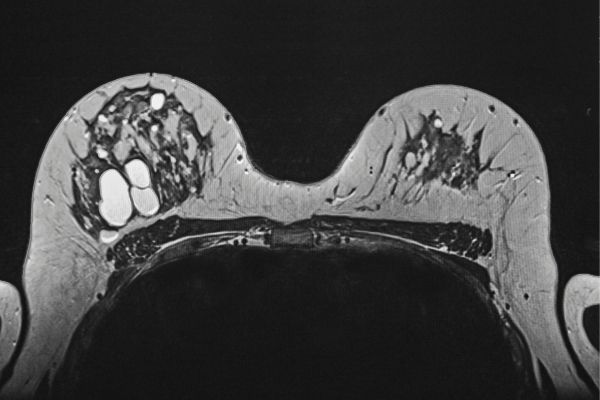
- A good bra: For women, this remedy only really works for breast cysts, but it does make a big difference. By wearing a comfortable and supportive bra, your breasts will be able to sit better and easier, providing better circulation and reducing the causes and effects of cysts.
- Anti-inflammatory medication: Certain over the counter anti-inflammatory medication is excellent for reducing the inflammation caused by the cyst. Although it will not necessarily deal with the cause, it can still be a great way of dealing with the effects.
Of course, the best thing that you can do for your cysts is to ask your doctor to provide medical advice regarding how to best proceed.
You should never attempt to handle the cyst on your own. For one thing, it may look like a cyst while being a completely different type of growth that will need far different medical care.
Moreover, even if it is a cyst, depending on where it is and what caused it, you will need a very specific kind of diagnosis or treatment.
What Are the Medical Procedures for Cyst Removal?
Certain medical procedures for cyst removal include:
- Drainage
- Laparoscopy (in which a laparoscope is inserted into a small incision in the cyst along with a camera to better see and remove the growth)
- Invasive surgery
- Needle aspiration
Summary
Thankfully, as annoying as they can be, many cysts do not need any serious attention.
However, it is important to note that while some may only take a few days to heal, others can take up to a few months.
Of course, the best way to keep track of these little things is by seeking out trustworthy health information from your doctor, and should it be necessary, having frequent checkups, including regular ultrasound scans, especially for women who have had serious complications around the uterus.
Whether you are in need of pelvic pain relief, are worried about dermoid cysts and pilar cysts, or just want to know what to do one way or the other, always consult a medical professional first.