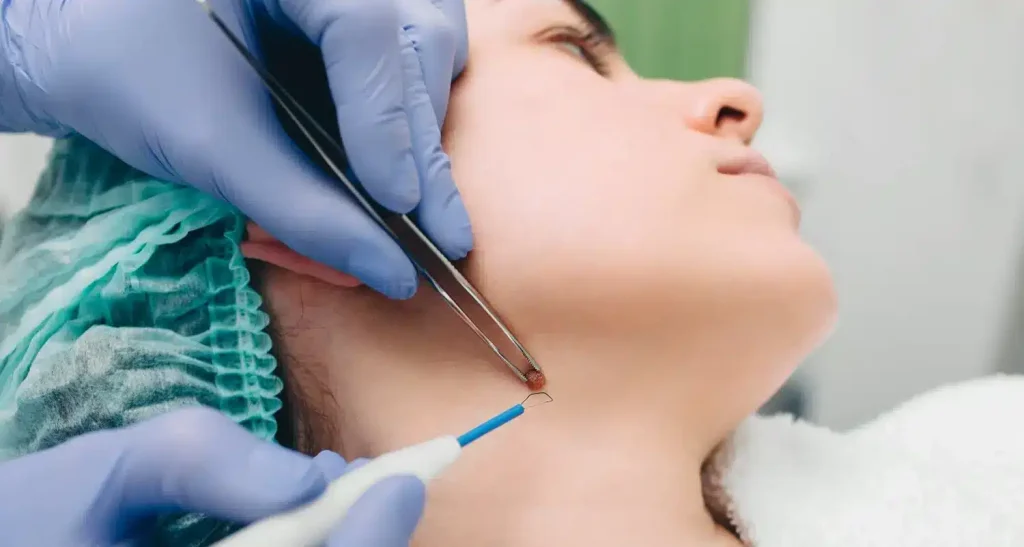
Mole removal is a common dermatological procedure that many patients undergo for both medical and cosmetic reasons. At Linia Skin Clinic, we understand that one of the most frequently asked questions by our patients is about the healing timeline. Understanding what to expect during your recovery can help you plan accordingly and ensure optimal results.
Understanding the Healing Timeline
The healing process after mole removal varies depending on several factors, but most patients can expect the following general timeline:
Immediate Recovery (First 24-48 Hours)
During the first day or two after your procedure, you may experience mild discomfort, swelling, or tenderness at the treatment site. This is completely normal and indicates that your body’s natural healing process has begun. The area may appear red or slightly raised, and you might notice some minor bleeding or oozing.
Early Healing Phase (Days 3-7)
Within the first week, you’ll typically see the formation of a protective scab over the treatment area. This scab serves as a natural bandage while new skin cells regenerate underneath. It’s crucial not to pick at or disturb this scab, as doing so can lead to scarring or infection. Many patients notice that any initial discomfort begins to subside during this period.
Active Healing Phase (Weeks 2-4)
During weeks two through four, the scab will naturally begin to loosen and fall off on its own. Underneath, you’ll find new, pink skin that may appear slightly different in color from the surrounding area. This is normal and the color will gradually blend with your natural skin tone over time.
Final Healing Phase (Months 1-6)
Complete healing and final results typically take anywhere from one to six months, depending on your individual healing capacity and the size of the removed mole. During this time, the new skin will continue to mature and blend with the surrounding tissue. Any redness or discoloration should fade significantly.
Factors That Influence Healing Time
Several factors can affect how quickly you heal after mole removal:
Size and Depth of the Mole: Larger or deeper moles require more extensive removal and consequently longer healing times. Surface-level moles typically heal faster than those that extend deeper into the skin layers.
Removal Method: The technique used for removal impacts healing time. Shave excisions generally heal faster than surgical excisions that require stitches. Laser removal may have its own unique healing timeline.
Location on the Body: Moles removed from areas with better blood circulation, such as the face, tend to heal faster than those on extremities like hands or feet. Areas subject to frequent movement or friction may take longer to heal.
Individual Healing Capacity: Age, overall health, immune system function, and genetics all play roles in how quickly your body repairs itself. Younger, healthier individuals typically experience faster healing.
Post-Care Compliance: Following your dermatologist’s aftercare instructions significantly impacts healing time and final results.
What to Expect During Different Removal Methods
Shave Excision
This method involves using a scalpel to shave the mole flush with the skin surface. Healing typically takes 1-2 weeks for the surface to close, with complete healing occurring within 2-4 weeks. This method usually doesn’t require stitches.
Surgical Excision
For deeper moles or those requiring complete removal including roots, surgical excision with stitches may be necessary. The stitches are typically removed within 7-14 days, but complete healing may take 4-6 weeks or longer.
Laser Removal
Laser treatment may require multiple sessions and has its own healing pattern. Each session typically heals within 1-2 weeks, but the complete process may extend over several months.
Essential Aftercare Tips for Optimal Healing
Proper aftercare is crucial for achieving the best possible results and minimizing healing time:
Keep the Area Clean and Dry: Gently clean the treatment site with mild soap and water as directed by your dermatologist. Pat dry with a clean towel rather than rubbing.
Apply Prescribed Medications: Use any topical antibiotics or healing ointments exactly as prescribed. These help prevent infection and promote healthy tissue regeneration.
Protect from Sun Exposure: New skin is particularly vulnerable to UV damage. Keep the area covered or apply broad-spectrum sunscreen with at least SPF 30 when exposed to sunlight.
Avoid Picking or Scratching: Resist the urge to pick at scabs or scratch the healing area, as this can lead to scarring, infection, or delayed healing.
Monitor for Signs of Complications: Watch for excessive redness, swelling, warmth, pus, or red streaking around the wound, which could indicate infection.
When to Contact Your Dermatologist
While complications after mole removal are rare, it’s important to know when to seek medical attention:
- Signs of infection (increased redness, warmth, pus, or red streaking)
- Excessive bleeding that doesn’t stop with gentle pressure
- Severe or worsening pain
- Any concerning changes in the healing wound
- Fever or feeling unwell
Minimizing Scarring
Most patients are concerned about potential scarring after mole removal. While some degree of scarring is normal, several strategies can help minimize its appearance:
Follow Aftercare Instructions: Proper wound care significantly reduces the risk of problematic scarring.
Consider Scar Treatment Options: Your dermatologist may recommend silicone sheets, scar gels, or other treatments to improve the final appearance.
Be Patient: Scars continue to improve for up to a year after the procedure. What may initially appear prominent often fades significantly over time.
The Linia Skin Clinic Advantage
At Linia Skin Clinic, we pride ourselves on providing comprehensive care throughout your mole removal journey. Our experienced dermatologists use the latest techniques to ensure optimal results while minimizing healing time and scarring risk. We provide detailed aftercare instructions and are always available to address any concerns during your recovery.
Our team understands that each patient’s healing journey is unique. We offer personalized follow-up care and are committed to supporting you through every stage of the healing process. From your initial consultation through complete recovery, we’re here to ensure you achieve the best possible outcome.