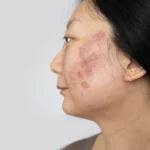

Forehead acne and pimples can be one of the most frustrating skin concerns, affecting your confidence and overall appearance. Unlike other areas of the face, forehead breakouts often have unique triggers and require specific treatment approaches. Whether you’re dealing with persistent bumps, blackheads, whiteheads, or inflamed pimples across your forehead, this comprehensive guide will help you understand the causes and find effective solutions.
Understanding Forehead Acne and Pimples: What Makes Them Different?
The forehead is part of the T-zone, an area naturally higher in oil production due to the concentration of sebaceous glands. This oil-rich environment, combined with the forehead’s exposure to hair products, sweat, and environmental pollutants, creates the perfect storm for acne development.
Types of Forehead Acne
Comedonal Acne
- Small, flesh-colored bumps (closed comedones)
- Blackheads along the hairline and brow area
- Often caused by pore-clogging products
Inflammatory Acne
- Red, tender pimples
- Pustules with white heads
- Deeper cysts or nodules (severe cases)
Fungal Acne (Malassezia Folliculitis)
- Small, uniform bumps that are often itchy
- Commonly mistaken for bacterial acne
- Requires different treatment approach
Root Causes of Forehead Acne
1. Hair Products and Styling Habits
Pore-Clogging Ingredients:
- Heavy oils and waxes in styling products
- Sulfates in shampoos running down during washing
- Leave-in conditioners and hair masks
- Dry shampoo residue
Styling Behaviors:
- Bangs or fringe covering the forehead
- Frequent touching or brushing hair forward
- Not washing hair frequently enough
- Sleeping with hair touching the face
2. Hormonal Fluctuations
Common Triggers:
- Menstrual cycles
- Pregnancy and postpartum changes
- Hormonal contraceptives
- Stress-induced cortisol spikes
- PCOS (Polycystic Ovary Syndrome)
3. Lifestyle and Environmental Factors
Daily Habits:
- Touching or picking at the forehead
- Dirty phone screens against the forehead
- Unwashed pillowcases and sheets
- Excessive face washing or scrubbing
Environmental Contributors:
- Pollution and environmental toxins
- Humid weather increasing oil production
- Air conditioning and heating affecting skin barrier
- Chlorine from swimming pools

4. Skincare Product Issues
Problematic Products:
- Heavy moisturizers and sunscreens
- Comedogenic makeup products
- Over-exfoliation causing irritation
- Wrong product pH levels
5. Internal Health Factors
Dietary Influences:
- High glycemic index foods
- Dairy products (for some individuals)
- Processed foods high in refined sugars
- Inadequate water intake
Health Conditions:
- Digestive issues affecting skin
- Food sensitivities or allergies
- Vitamin deficiencies
- Poor sleep quality
Effective Treatment Strategies
Phase 1: Gentle Cleansing and Reset (Weeks 1-2)
Morning Routine:
- Gentle, sulfate-free cleanser
- Alcohol-free toner with salicylic acid (0.5-1%)
- Lightweight, non-comedogenic moisturizer
- Broad-spectrum SPF 30+ sunscreen
Evening Routine:
- Double cleanse (oil cleanser + gentle water-based cleanser)
- Wait 20 minutes, then apply retinoid (start 2-3x per week)
- Hydrating serum with hyaluronic acid
- Non-comedogenic night moisturizer
Phase 2: Active Treatment Integration (Weeks 3-6)
Targeted Ingredients:
Salicylic Acid (BHA)
- Penetrates pores to dissolve oil and dead skin
- Use 0.5-2% concentration
- Apply after cleansing, before moisturizer
Benzoyl Peroxide
- Kills acne-causing bacteria
- Start with 2.5% to minimize irritation
- Use as spot treatment or short-contact therapy
Retinoids
- Prescription: tretinoin, adapalene
- Over-the-counter: retinol, retinyl palmitate
- Increases cell turnover, prevents clogged pores
Niacinamide
- Reduces inflammation and oil production
- Use 5-10% concentration
- Can be combined with most other ingredients
Phase 3: Advanced Treatment Options
Professional Treatments:
Chemical Peels
- Salicylic acid peels for deep pore cleansing
- Glycolic acid peels for surface exfoliation
- Recommended every 4-6 weeks
Extraction Facials
- Professional removal of blackheads and whiteheads
- Should only be performed by trained estheticians
- Helps prevent scarring from improper at-home extraction
LED Light Therapy
- Blue light targets acne bacteria
- Red light reduces inflammation
- Can be done professionally or with at-home devices
Prescription Options:
- Topical antibiotics (clindamycin)
- Oral antibiotics (doxycycline, minocycline)
- Hormonal treatments (spironolactone for women)
- Isotretinoin for severe, persistent acne
Prevention Strategies
Hair Care Modifications
Product Selection:
- Choose non-comedogenic hair products
- Look for “won’t clog pores” labels
- Avoid heavy oils near the hairline
Application Techniques:
- Apply products away from the forehead
- Use a headband during application
- Rinse thoroughly to remove residue
Styling Adjustments:
- Pull bangs back while sleeping
- Use silk or satin pillowcases
- Wash hair regularly, especially after workouts
Skincare Routine Optimization
Daily Habits:
- Cleanse immediately after sweating
- Use separate towels for face and body
- Replace pillowcases every 2-3 days
- Clean phone screens regularly
Product Guidelines:
- Always check for comedogenic ingredients
- Patch test new products on the inner arm
- Introduce one new product at a time
- Use gentle, fragrance-free formulations
Lifestyle Adjustments
Diet Considerations:
- Reduce high-glycemic foods
- Monitor dairy intake for sensitivity
- Increase water consumption
- Include anti-inflammatory foods (omega-3s, antioxidants)
Stress Management:
- Regular exercise (shower immediately after)
- Adequate sleep (7-9 hours)
- Meditation or relaxation techniques
- Avoid picking or touching the face
When to See a Professional
Red Flags Requiring Medical Attention:
- Severe, painful cystic acne
- Acne not responding to 6-8 weeks of consistent treatment
- Signs of infection (increased redness, warmth, pus)
- Scarring or post-inflammatory hyperpigmentation
- Sudden onset of severe acne in adults
Choosing the Right Professional:
Dermatologists:
- Medical doctors specializing in skin conditions
- Can prescribe medications and perform procedures
- Best for severe or persistent acne
Licensed Estheticians:
- Trained in skincare treatments and product recommendations
- Offer professional facials and peels
- Good for maintenance and mild acne
Common Mistakes to Avoid
Over-Treatment Errors:
- Using too many active ingredients at once
- Scrubbing or exfoliating excessively
- Picking at or squeezing pimples
- Changing products too frequently
Product Selection Mistakes:
- Using products designed for body acne on the face
- Assuming expensive products are always better
- Not reading ingredient lists carefully
- Using expired or contaminated products
Routine Mistakes:
- Inconsistent application of treatments
- Not giving products enough time to work
- Skipping moisturizer to avoid “oiliness”
- Not using sunscreen with acne treatments
Building Your Forehead Acne Action Plan
Week 1-2: Assessment and Gentle Start
- Document current condition with photos
- Eliminate potential trigger products
- Start with gentle cleansing routine
- Begin using one active ingredient
Week 3-4: Add Targeted Treatment
- Introduce salicylic acid or retinoid
- Monitor skin response and adjust frequency
- Maintain consistent routine
- Track improvements and setbacks
Week 5-8: Evaluate and Adjust
- Assess progress and take comparison photos
- Add second active ingredient if needed
- Consider professional consultation if no improvement
- Plan long-term maintenance routine
Month 3+: Maintenance and Prevention
- Continue successful routine with modifications as needed
- Regular professional treatments if beneficial
- Monitor for new triggers or hormonal changes
- Maintain healthy lifestyle habits