
Thread lifts are currently one of the most popular alternatives to traditional facelifts available right now. These procedures can help tighten your skin, lift sagging skin, and decrease fine lines, wrinkles, and other signs of ageing.
Although it is a relatively risk-free treatment, the effectiveness of it and whether you suffer from side effects depends on the recovery time.
There are a variety of dos and don’ts after thread lift procedures you need to be aware of to make sure you recover properly and enjoy the best results from the treatment.
First and foremost, you need to make sure you get a lot of rest and take it easy. We will look at the rest of the dos and don’ts of PDO thread treatment in the following post.
What is a thread lift?
A thread lift often referred to as a PDO thread lift, is a simple cosmetic procedure used to hide sagging skin and the unflattering signs of ageing. It involves PDO threads being placed beneath the skin around your face and neck. The threads help to stimulate the body’s natural collagen production that smooths out those fine lines and wrinkles and tightens up the sagging skin.
What are the side effects of a thread lift?
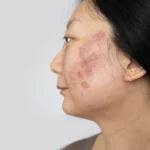
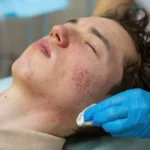
While it’s true all cosmetic procedures carry some risk of side effects or issues, thread lifts are relatively safe as they are minimally invasive. There is almost no chance of experiencing bleeding, serious bruising or scarring after the procedure and the majority of the side effects occur within the first couple of days after the treatment and resolve relatively quickly.
There are some, rarer problems that can take weeks and potentially months to heal fully, including:
- Slight asymmetry (unevenness)
- Numbness
- Tenderness
- Swelling
- Slight bruising
- Infection
In some cases, sutures will become visible just beneath the skin
How long does it take to recover from a thread lift?
Generally speaking, it can take up to three weeks to recover fully and you should take caution during this time to make sure the threads are set firmly and provide you with the lift you are looking for. There are various do’s and don’ts you need to keep in mind that can determine how effective the recovery period is.
What you can do after a thread lift
As we noted, there are some things you should and shouldn’t do to ensure you recover quickly and properly from your thread lift procedure. First, we will look at the do’s and then the don’ts.
- Gently Clean Your Face – you need to avoid rigorous activities likely to dislodge the threads, therefore as part of your daily routine, you need to just gently clean your face.
- Take Regular Breaks From Screen – as one of the main reasons why you are having the thread lift procedure in the first place is to correct and reverse the signs of ageing, you need to act in harmony with your treatment. It is recommended you take measures to decrease the risk of developing fine lines, wrinkles, and jowls. That means taking breaks regularly from using any device with a screen like your smartphone, computer, laptop, or tablet.
- Moisturise – thread lifts are designed to enhance your beauty for a relatively short time. Although they help to stimulate the natural production of collagen for at least a year or more afterwards, it is important to take care of your skin to sustain lasting results. Moisturising daily is one of the best ways to achieve this and can help make sure your skin has a youthful and glowing appearance. In addition to using a high-quality moisturiser, you need to make sure you are staying hydrated.
- Get Enough Sleep and Rest – as is the case when you have any surgery or medical procedure, part of the recovery process involves getting enough sleep and rest. While you need to get enough rest within the 24 to 48 hours following your treatments, you need to be careful not to place too much pressure on the area the procedure was performed. You also need to avoid touching your face for at least 24 hours after the treatment. When you do sleep, you should avoid, if possible, sleeping on your side and instead try to sleep on your back.
- Eat Healthily – a good diet is another key to ensuring your body heals property following your thread life procedure, so make sure you eat healthily.
What not to do after a thread lift
- Wearing makeup for at least 48 hours – compared to other more conventional types of facelift surgery, thread lifts do not leave noticeable thread marks on your skin. The sutures that are used in the process are absorbable and dissolve into your skin. That does not mean there is no evidence at all that you have had the procedure done, as there will be incision marks left that give you an uneven complexion. You may be tempted to cover over this, but you should avoid wearing makeup for at least 48 hours following treatment, as it could give you an infection.
- Alcohol consumption and smoking – we noted having a healthy diet is important, so too is having a healthy lifestyle. You need to give your body time to recover which means abstaining from things like smoking and drinking alcohol.
- Solid Food – as strange as it may sound, for this minimally invasive procedure to be as successful as possible, you need to avoid any activities that strain the threads, such as chewing solid foods. Try to eat soft foods that do not need to be chewed a lot, at least for the first few days following surgery.
- Rigorous Activity – the general theme of these do’s and don’ts is to take it easy and do not engage in anything too rigorous while you are recovering so you can avoid dislodging the sutures. Therefore, you need to avoid all intensive workouts and exercise, work, sexual intercourse, and anything similar for at least three weeks after your thread procedure.
- Excessive Heat Exposure and Sun Exposure – UV rays are harmful to your skin at the best of times but can cause your skin to lose the new collagen the PDO thread lift treatment is designed to stimulate the production of, so make sure you wear sunscreen. You also need to make sure you avoid excessive heat exposure.
Summary
PDO thread lift procedures are relatively simple, and when you engage in the correct practices and habits following your treatment, you can avoid serious risks and side effects, while enjoying optimum results.