Best Treatment for Acne Scars: A Comprehensive Guide
Introduction
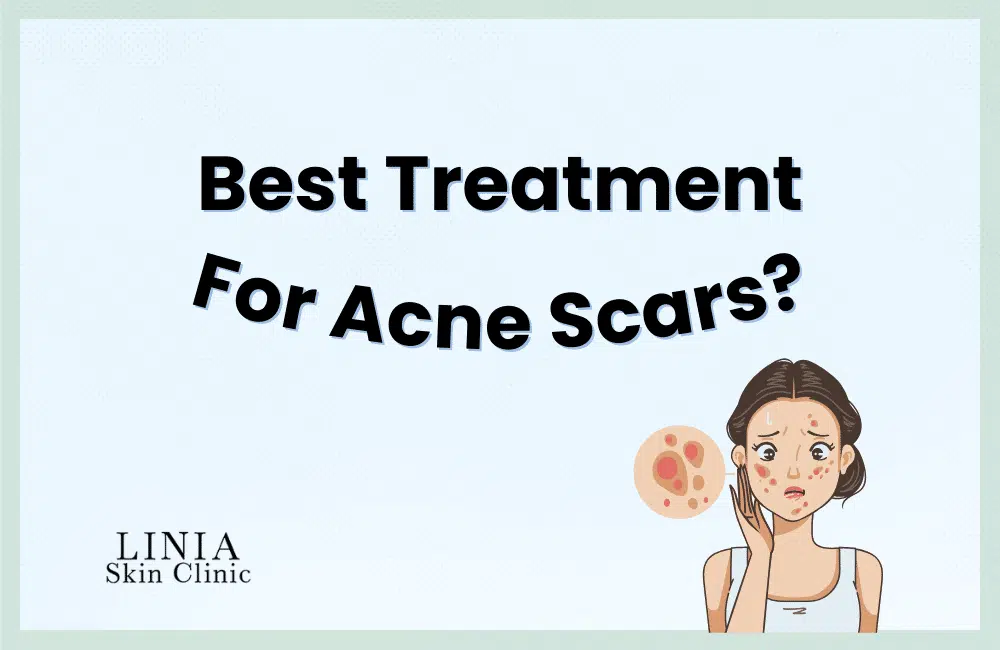
Acne scars are a prevalent issue that affects a significant portion of the population. Not only can they impact self-esteem, but they also pose a challenge for those seeking smooth, clear skin. Addressing acne scars is essential for both aesthetic and health reasons, as untreated scars can lead to uneven skin texture and pigmentation.
At Linia Skin Clinic, we specialise in advanced laser treatments designed to effectively reduce the appearance of acne scars, restoring confidence and skin health. This comprehensive guide will explore the best treatment options available, focusing on the highly effective laser treatments offered at our clinic.
“Acne is a common condition in the UK, affecting approximately 80% of people aged 11 to 30. A significant number of these individuals, around 20%, will go on to develop acne scars, which can have a profound impact on their quality of life.” – British Skin Foundation
Understanding Acne Scars
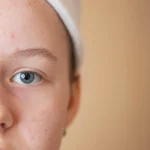
Acne scars result from the skin’s healing process after severe acne lesions, such as cysts, pustules, and nodules, cause significant damage to the skin tissue. This damage disrupts the normal collagen production process, leading to the formation of scars. Getting a clear understanding of your acne scars will help you find a clearer treatment plan. Giving you the best chance to find the best treatment for acne scars
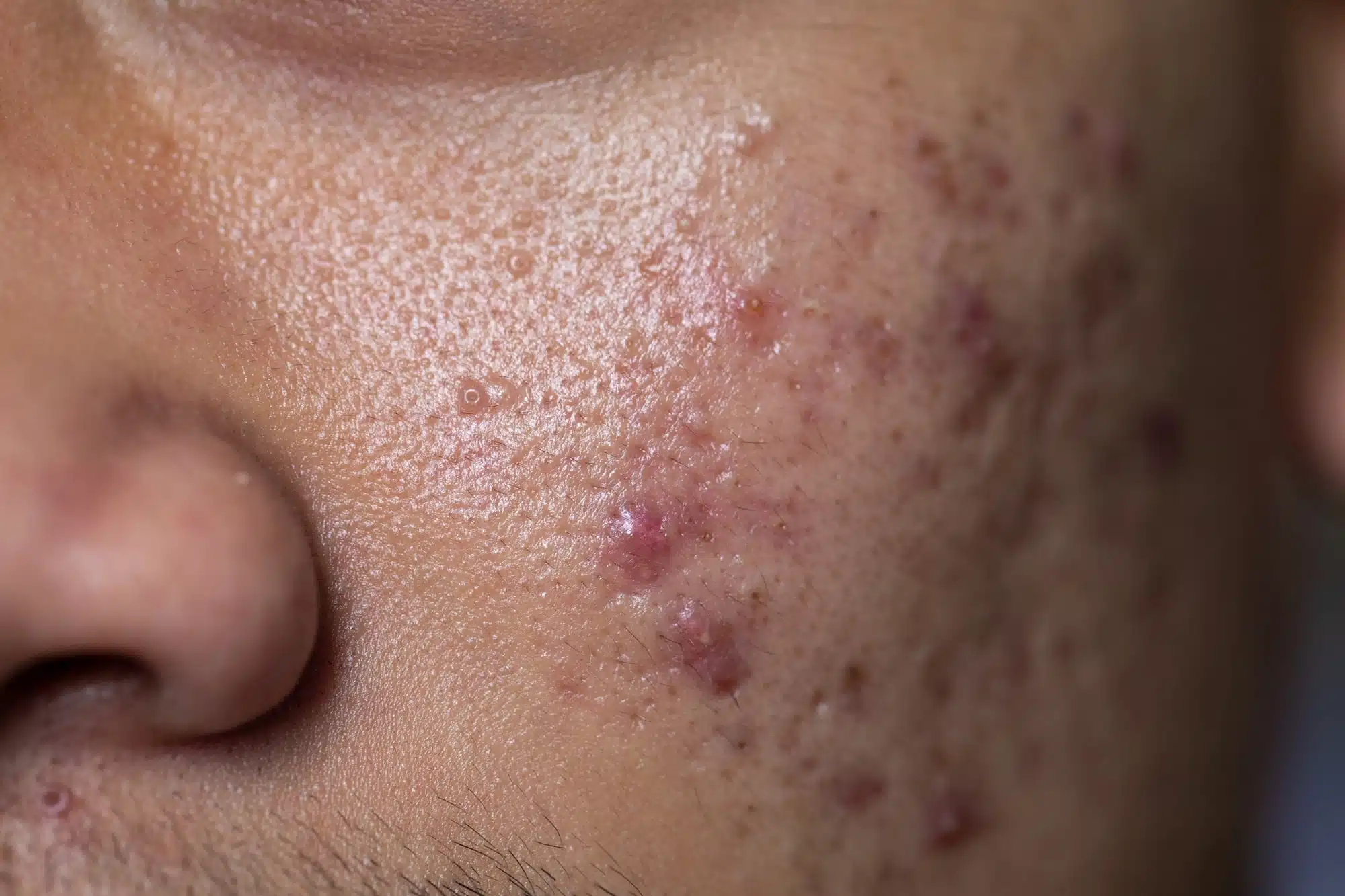
Acne scarring can result from various types of acne lesions, and understanding these types is crucial for effective treatment.
To understand the best acne scar treatments, it’s crucial first to comprehend the different types of acne scars and how they form. By understanding the underlying mechanisms of scar formation, dermatologists can tailor treatments to address specific scar types and achieve optimal patient results.
Types of Acne Scars
- Atrophic Scars: These are the most common type of acne scars and are characterised by depressions in the skin. They occur when the skin loses tissue. Atrophic facial acne scars include ice pick, boxcar, and rolling scars, characterised by tissue loss. Depressed acne scars are a common type of atrophic scars and can be treated with microneedling and other techniques.
A range of available acne scar treatments includes options such as laser resurfacing, subcision, microneedling, and minor surgical treatments based on the type and severity of scarring.
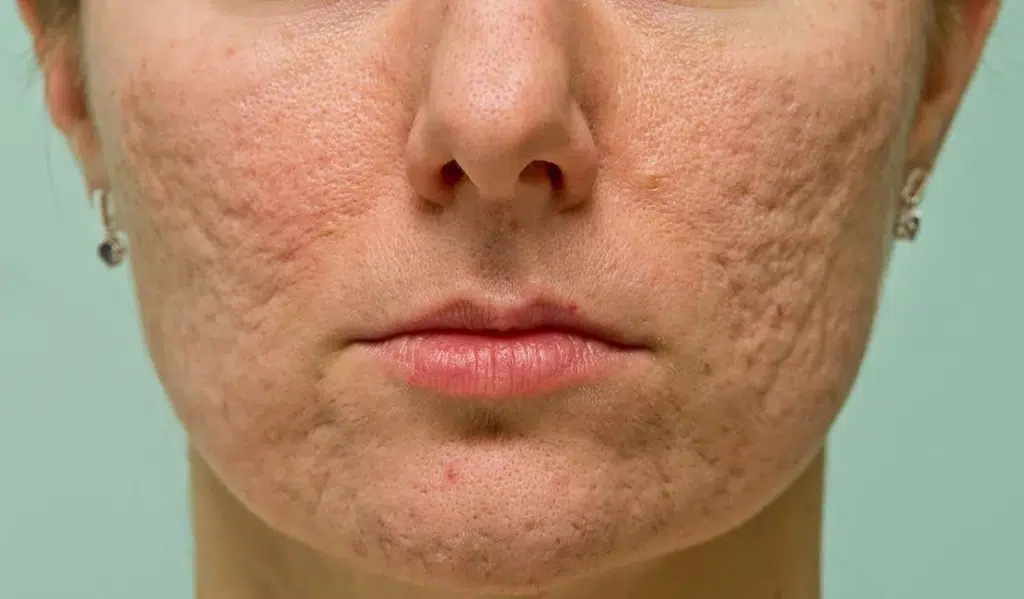
- Ice Pick Scars: Narrow, deep scars that resemble small holes in the skin, similar to marks made by a sharp object.
- Boxcar Scars: Broad, rectangular depressions with well-defined edges, often found on the temples or cheeks.
- Rolling Scars: Wide depressions with rounded edges that give the skin a wavy texture.
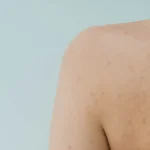
- Hypertrophic Scars: These scars are raised above the skin’s surface and occur when the body produces too much collagen during the healing process. They are commonly found on the chest and back.
- Keloid Scars: Similar to hypertrophic scars but more severe, keloid scars grow larger than the original wound and can become itchy or painful. They are more common in individuals with darker skin tones.
What Causes Acne Scars?
Acne scars form when the skin’s healing process is disrupted. When an acne lesion penetrates deeply into the skin, it damages the tissue beneath it. As the body tries to repair the damage, it produces collagen, and scar tissue forms.
If too little collagen is produced, depressions or atrophic scars form. Raised scars such as hypertrophic or keloid scars develop if too much collagen is produced. Deeper scars are more challenging to treat and often require more intensive treatments like dermabrasion and chemical peels.
Factors Influencing the Severity of Scars
Several factors can influence how severely someone is scarred from acne:
- Genetic Predisposition: Some individuals are more prone to scarring due to their genetic makeup.
- Severity and Type of Acne: Severe forms of acne, like cystic acne, are more likely to leave scars.
- Skin Care Habits: Proper skin care can mitigate scarring, while improper handling of acne, like picking or squeezing, can worsen scars.
- Early Intervention and Treatment: Prompt treatment of acne can prevent scarring by reducing the severity and duration of acne lesions.
Prevention Tips
Preventing acne scars involves managing acne effectively and taking steps to minimise the damage to the skin.
Proper Skincare Routine
A consistent skincare routine tailored to your skin type can help prevent acne and minimise scarring. Here are the key steps:
- Cleansing: Use a gentle cleanser to remove excess oil, dirt, and makeup without stripping the skin’s natural oils. Avoid harsh scrubs that can irritate the skin.
- Moisturising: Keeping the skin hydrated helps maintain its barrier function and promotes healing. Choose a non-comedogenic moisturiser to avoid clogging pores.
- Sun Protection: UV exposure can darken scars and impede the healing process. Use a broad-spectrum sunscreen with SPF 30 or higher every day, even on cloudy days.
Early Acne Treatment
Treating acne promptly can prevent the development of acne scars. Consult a dermatologist for effective acne treatments, which may include topical treatments, oral medications, or professional procedures.
Lifestyle Changes
Making certain lifestyle changes can also help reduce the risk of acne and subsequent acne scarring:
- Diet: A balanced diet rich in vitamins and minerals supports overall skin health. Some studies suggest that reducing dairy and high-glycemic foods can help manage acne.
- Hydration: Drinking plenty of water keeps the skin hydrated and can aid in healing.
- Stress Management: Stress can trigger acne flare-ups. Practice stress-reducing techniques such as exercise, meditation, and adequate sleep.
Home Remedies and Over-the-Counter Treatments
For those seeking non-invasive options, there are several home remedies and over-the-counter treatments that may help reduce the appearance of acne scars. These options are accessible and can be incorporated into your daily skincare routine to gradually improve skin texture and tone.
While they may not provide the dramatic results of professional treatments, they can be effective for mild to moderate scarring and offer a convenient starting point for those looking to enhance their skin at home.
Home Remedies
- Aloe Vera: Aloe vera is known for its soothing and healing properties. Apply pure aloe vera gel directly to the scars and leave it on overnight.
- Honey: Honey has natural antibacterial and healing properties. Apply a thin layer of raw honey to the scars and rinse off after 10-15 minutes.
- Lemon Juice: Lemon juice has natural bleaching properties that can lighten scars, but it should be used with caution. Dilute it with water and apply it sparingly, followed by sunscreen as lemon juice can make the skin more sensitive to UV rays.
Over-the-Counter Options
- Retinoids: Topical retinoids, derived from vitamin A, can promote cell turnover and improve skin texture. They are effective in treating both acne and acne scars.
- Salicylic Acid: This beta hydroxy acid exfoliates the skin, unclogs pores, and reduces inflammation. It’s effective for treating both active acne and post-acne marks. However, it can cause dryness or irritation, especially for people with sensitive skin.
- AHAs/BHAs: Alpha hydroxy acids (AHAs) and beta hydroxy acids (BHAs) are chemical exfoliants that help improve skin texture and tone. They can be found in various over-the-counter products like serums and cleansers. A chemical peel can also effectively treat acne scars, but it should be chosen carefully based on skin type and sensitivity.
Pros and Cons of Home Treatments
- Pros: Home treatments are cost-effective, easily accessible, and can be incorporated into daily routines.
- Cons: Results from home treatments can be slow, and they may not be effective for severe scarring. Overuse or improper use can also cause skin irritation.
Professional Treatments
For more significant results, professional acne scar treatments are recommended. Dermatologists and trained skin care professionals perform these treatments and offer more intensive care for acne scars.
Chemical Peels
Chemical peels involve applying a chemical solution to the skin to exfoliate and remove the top layers. This promotes new skin growth and can reduce the appearance of scars. The Chemical peel acne scar treatment is a popular acne scarring treatment that can help remove acne scars by promoting new skin growth.
- Types and Strengths: There are three main types of chemical peels: light (superficial), medium, and deep. Light peels use milder acids like glycolic acid, while medium and deep peels use stronger acids like trichloroacetic acid (TCA).
- How They Work: The chemical solution causes the outer layer of skin to peel off, revealing fresher, smoother skin underneath.
- Results and Recovery: Light peels have minimal downtime, while medium and deep peels may require a longer recovery period with peeling and redness. Results can vary, but multiple sessions are often needed for significant improvement, particularly towards the look of acne scars.
Microneedling
Microneedling involves using fine needles to create tiny punctures in the skin, which stimulate collagen production and skin regeneration. It is an effective way to treat acne scars by promoting skin healing and reducing their appearance.
- Procedure Details: A device with fine needles is rolled over the skin, creating controlled micro-injuries. This triggers the body’s natural healing response for improving the look of acne scars.
- Benefits and Risks: Microneedling can improve skin texture and reduce scars with minimal downtime. Risks include temporary redness and minor irritation.
- Results and Downtime: Most patients experience slight redness for a day or two. Visible improvements can be seen after a few sessions.
Microdermabrasion
Microdermabrasion is a non-invasive procedure that exfoliates the skin using a special device with an abrasive surface, aiming to improve acne scars.
- Procedure Explanation: The device gently sands the skin, removing the outermost layer. This promotes new skin growth and improves skin texture.
- Benefits and Risks: Microdermabrasion is painless with minimal risks. It is suitable for all skin types.
- Results and Recovery Time: Immediate improvement in skin texture can be seen, with no downtime required.
Polynucleotide Treatment
Polynucleotide treatment is a novel approach to improving the appearance of acne scars. It uses biopolymers that aid in skin repair and regeneration.
- Procedure Explanation: Polynucleotide treatments involve injecting or topically applying polynucleotide solutions to the affected areas. These biopolymers stimulate cellular repair and boost collagen production, which is essential for skin healing and improving skin texture.
- Benefits and Risks: This treatment is minimally invasive and promotes natural skin regeneration with few side effects. Common side effects may include mild redness or swelling at the treatment site, but these typically subside quickly.
- Results and Recovery Time: Patients can expect gradual skin texture and scar visibility improvements over multiple sessions, with minimal to no downtime required. The skin continues healing and regenerating in the weeks following each session, enhancing overall results.
Polynucleotide treatment offers a non-surgical option for individuals seeking to reduce acne scars and rejuvenate their skin.
Laser Treatments at Linia Skin Clinic
Laser treatments are among the most effective methods for treating acne scars. They use focused light to target scarred areas, promoting collagen production and skin renewal. At Linia Skin Clinic, we offer advanced laser treatments tailored to individual needs, ensuring the best possible outcomes for our patients.
In addition to laser acne scar treatment, we provide a range of acne scar treatments, including subcision, microneedling, and chemical peels, based on the type and severity of scarring.
Our state-of-the-art technology and experienced professionals provide a safe and effective solution to help you achieve smoother, clearer skin. Laser resurfacing is a highly effective method for treating acne scars, significantly improving skin texture and appearance.
Overview of Laser Treatments: Laser treatments use focused light to target scarred areas, promoting collagen production and skin renewal. There are two main types: ablative and non-ablative lasers.
Ablative Lasers: Remove the outer layer of skin and heat the underlying layer to stimulate collagen production. Examples include CO2 and Erbium lasers.
Non-Ablative Lasers: Heat the underlying skin without removing the top layer, promoting collagen production with minimal downtime. Examples include Nd:YAG and fractional lasers.
How Laser Treatments Work: The laser energy penetrates the skin, causing controlled damage that stimulates the body’s natural healing processes and collagen production. This helps to smooth and resurface the skin.
Benefits of Laser Treatments for Acne Scars:
- Precision targeting of scarred areas, leaving the surrounding skin unaffected.
- Stimulation of natural healing processes and collagen production.
- Minimal invasiveness with quicker recovery compared to surgical options.
Linia Skin Clinic’s Laser Acne Scar Treatment:
Types of Lasers Used: We use state-of-the-art fractional lasers with effective results and reduced downtime.
Procedure Details: The treatment begins with a detailed skin assessment. A customised plan is then created to target specific scar types and skin conditions.
Benefits and Risks: Laser treatments are highly effective for various scar types and skin tones. Risks include temporary redness, swelling, and minor discomfort.
Recovery Time: Recovery is generally quick, with most patients returning to normal activities within a few days. Full results can be seen over several weeks as the skin heals and regenerates.
Success Stories and Patient Testimonials: Many of our patients have seen significant improvements in their skin’s texture and appearance. Here are some testimonials from satisfied clients:
“After just a few sessions, my acne scars have visibly reduced, and my skin feels smoother and healthier.”
“The laser treatment at Linia Skin Clinic has given me a new level of confidence. I can’t thank the team enough!”
Combination Treatments
Combining different treatments can enhance results by addressing multiple layers of the skin and various aspects of scarring.
Benefits of Combining Treatments
- Enhanced Results: Combining treatments can provide more comprehensive improvements.
- Customised Approach: Allows for a tailored treatment plan that addresses specific needs.
Examples of Effective Combination Therapies
- Microneedling and PRP (Platelet-Rich Plasma): Microneedling combined with PRP can boost collagen production and accelerate healing, resulting in smoother skin.
- Chemical Peels and Laser Therapy: Combining these treatments can improve both the surface texture and deeper skin layers, offering more dramatic results.
Before and After Care
Proper care before and after treatment is crucial for achieving the best results and ensuring smooth recovery.
Pre-Treatment Care
Preparing your skin properly before undergoing acne scar treatment can significantly enhance the effectiveness and safety of the procedure. By following these pre-treatment care tips, you can help ensure your acne scar consultation has the best possible outcomes:
- Hydration: Keep your skin well-hydrated before undergoing any treatment. Well-hydrated skin responds better to treatments and heals more efficiently. Make sure to drink plenty of water and use a good moisturizer to maintain your skin’s hydration levels in the weeks leading up to your procedure.
- Avoid Sun Exposure: Protect your skin from the sun for at least two weeks before treatment to prevent complications. Sunburned or tanned skin can increase the risk of adverse reactions and reduce the efficacy of the treatment. Use a broad-spectrum sunscreen and avoid prolonged sun exposure to keep your skin in optimal condition.
- Stop Certain Medications: Some medications can increase sensitivity to treatments. Consult your dermatologist about which medications to avoid.
Certain medications, such as retinoids or blood thinners, can affect your skin’s response to treatment and may need to be paused temporarily. Always discuss your current medications with your dermatologist to ensure a safe treatment plan.
Post-Treatment Care
Proper post-treatment care is crucial to maximise the benefits of your acne scar treatment and ensure a smooth recovery.
Following your dermatologist’s advice and maintaining a gentle skincare routine can help protect your skin and enhance the wound healing process. Here are some essential tips for post-treatment care:
- Gentle Skincare: Use mild, non-irritating products to cleanse and moisturise your skin. After treatment, your skin may be more sensitive, so it’s important to avoid harsh ingredients and stick to soothing, hydrating products that support the healing process without causing irritation.
- Sun Protection: Apply a broad-spectrum sunscreen daily to protect your skin from UV damage and prevent hyperpigmentation. Protecting your skin from the sun is essential after treatment, as UV exposure can worsen scars and delay healing. Choose a sunscreen with at least SPF 30 and reapply it throughout the day.
- Avoid Picking or Scratching: Allow your skin to heal naturally without interference. Picking or scratching at your skin can cause additional damage and increase the risk of infection and scarring. Be patient and let your skin recover independently, following the recommended post-treatment care guidelines provided by your dermatologist.
Long-Term Skin Health Tips
Maintaining healthy skin requires a long-term commitment to good skincare habits and lifestyle choices. While treatments can significantly improve the appearance of acne scars, ongoing care is essential to sustain the results and prevent future skin issues.
Here are some key tips to ensure your skin remains healthy and radiant over the long term:
- Maintain a consistent skincare routine with products suited to your skin type. Using products that are specifically formulated for your skin type can help maintain balance, prevent breakouts, and promote overall skin health. Include cleansing, moisturising, and sun protection in your daily regimen.
- Schedule regular check-ups with your dermatologist to monitor your skin’s health and address any concerns promptly. Regular visits to a skincare professional can help catch potential issues early and keep your skin in the best possible condition. Your dermatologist can provide personalised advice and adjustments to your skincare routine as needed.
- Incorporate a healthy diet, regular exercise, and adequate sleep into your lifestyle to support overall skin health. A diet rich in vitamins, minerals, and antioxidants supports skin repair and renewal. Exercise improves circulation, delivering nutrients to the skin, and adequate sleep allows your body to heal and regenerate. Together, these habits contribute to a healthier, more vibrant complexion.
Consultation and Choosing the Right Treatment
Choosing the best treatment for acne scars involves professional assessment and customised care. At Linia Skin Clinic, we provide a professional, hassle-free consultation to determine the best course of treatment for your acne scars.
Importance of Professional Consultation
A consultation with a dermatologist is crucial to determine the most suitable treatment based on your specific skin type and scar condition. A professional assessment ensures that the chosen treatment will be safe and effective.
Choosing the Right Treatment
- Scar Type: Different treatments are effective for different types of scars. We can help identify the scar type and recommend the best treatment.
- Skin Type: Certain treatments may be more suitable for specific skin types. For example, darker skin tones may require special consideration to avoid pigmentation issues.
- Personal Preferences: Discussing your preferences and concerns with us or your local dermatologist will help tailor the treatment plan to your needs.
What to Expect During a Consultation at Linia Skin Clinic
- Comprehensive Skin Evaluation: A thorough examination of your skin to assess the type and severity of acne scars.
- Discussion of Treatment Options: Explanation of various treatment options, including their benefits, risks, and expected outcomes.
- Personalised Treatment Plan: Creation of a customised treatment plan based on your skin’s needs and your desired results.
- Detailed Explanation of Procedures and Aftercare: Clear guidance on what to expect during and after the treatment, including aftercare instructions to maximise results and ensure smooth recovery.
So what is the best treatment for acne scars?
Acne scars can significantly impact one’s confidence, but their appearance can be greatly improved with the right treatment. Linia Skin Clinic offers advanced laser treatments that provide remarkable results, helping you achieve smoother, healthier skin.
Each treatment can vary depending on the individual and their needs. So the best treatment for acne scars can be different. To find out the best treatment for acne scars, book a consultation with our award-winning dermatologist, Dr. Simon Zokaie.
If you’re ready to take the next step in treating your acne scars, book a consultation with us today and discover how we can help you transform your skin.
FAQs
Common Questions About Acne Scars and Treatments
- How long does it take to see results from laser treatment?
- Results can vary, but many patients notice improvement after a few sessions. Full results typically become visible after several weeks as the skin heals.
- Is laser treatment for acne scars painful?
- Most patients experience minimal discomfort during laser treatment, often described as a mild stinging sensation. Topical anaesthetics can be used to enhance comfort.
- What is the downtime for laser acne scar treatment?
- Downtime is typically minimal, with most patients returning to normal activities within a day or two. However, some redness and swelling may persist for a few days.
- Can acne scars be completely removed?
- While treatments can significantly improve the appearance of acne scars, complete removal is rare. The goal is to make scars less noticeable and improve overall skin texture.
- Are there any side effects to laser acne scar treatment?
- Common side effects include temporary redness, swelling, and minor discomfort. Serious side effects are rare when experienced professionals perform the procedure.
Expert Answers from Linia Skin Clinic’s Dermatologists
Our dermatologists provide personalised advice and answers to common concerns, ensuring you have all the information needed to make an informed decision about your treatment and finding the best treatment for acne scars, ensuring the best possible outcome for your skin
If you’re ready to improve your acne scarring, BOOK NOW for a consultation with a Linia Skin Clinic dermatologist.