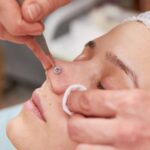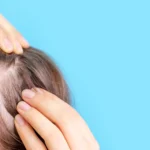
Cysts can be an unwelcome surprise, causing discomfort and even pain. But what if you had a better understanding of how to remove a cyst, manage and prevent them effectively? This blog post will provide you with insights into various cyst types, their causes, and both non-surgical and surgical methods for removal. Armed with this information, you’ll be better prepared to tackle these pesky lumps and keep your skin healthy and comfortable.
Key Takeaways
- Understanding cyst types and causes is necessary to determine if medical treatment is needed.
- Consult a doctor before attempting any non-surgical or home remedies for cyst removal.
- Seek professional medical advice when a cyst becomes painful, infected, or causes discomfort in order to receive the most effective treatment.
Understanding Cyst Types and Causes
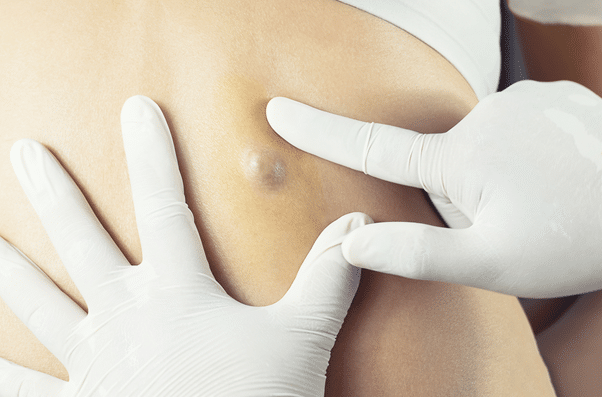
Cysts are fluid-filled lumps that form beneath the skin, with various types and causes affecting their treatment. Among the many types of skin cysts, some common ones include:
- Epidermoid cysts: usually found on the face, neck, chest, and shoulders, often linked to acne.
- Pilar cysts: form around hair follicles and are typically observed on the scalp.
- Sebaceous cysts: also known as epidermal, keratin, or epithelial cysts, these fluid filled lump can be caused by skin cells multiplying and migrating inwards, instead of being shed away as they typically should.
Cyst removal surgery is sometimes necessary, depending on the size and location of the cyst, as well as the level of discomfort it causes.
Keep in mind, while not all cysts necessitate medical treatment, most cysts should undergo a professional evaluation to determine the best course of action. Cysts can sometimes become infected or inflamed, leading to pain and tenderness. If this happens, promptly seeking medical advice is paramount to secure correct treatment and avoid additional complications.
Non-Surgical Cyst Removal Methods

Several non-surgical cyst removal methods exist for consideration, including drainage, needle aspiration, and home remedies. Nevertheless, before attempting any self-treatment, consulting a doctor is imperative, as it guarantees correct treatment and averts complications.
Drainage
Drainage is a common method for cyst removal without surgery. It involves administering local anaesthesia and making a small incision, allowing the cyst to be carefully expressed. This method can be conducted with minimal harm to hair follicles. However, take into account that drainage is not advised for epidermoid and pilar cysts, given their likelihood to regrow post-drainage.
Although drainage can provide temporary relief, it is not a permanent solution, as the cyst may regrow. Complete removal of the cyst, including its sac, is significant in preventing recurrence.
Needle Aspiration
Needle aspiration is another non-invasive cyst removal method. In this procedure, a physician uses a slender needle to puncture the cyst and extract the liquid, sometimes utilizing a syringe for removal. The primary advantage of needle aspiration is that it’s a non-invasive procedure with minimal potential risk. However, potential risks include infection, bleeding, and scarring.
Before needle aspiration, you should disclose any medications you’re taking and any allergies you have to your doctor. This approach assures a safe and customized procedure.
Home Remedies
Home remedies can be helpful in the removal of certain cysts. However, it’s vital to consult a doctor before attempting any self-treatment. A medical professional can provide a specific diagnosis and treatment depending on the cyst’s location and cause, as well as guide you through the removal process more effectively.
Trying to remove a cyst without professional guidance could result in more damage or infection. Prioritise your health and seek professional advice before trying any home remedies for cyst removal.
Surgical Cyst Removal Procedures

When non-surgical methods are not enough, surgical cyst removal procedures come into play. These procedures vary depending on the location and severity of the cyst, including facial and scalp cyst removal, body cyst removal, and infected or inflamed cyst removal.
Facial and Scalp Cyst Removal
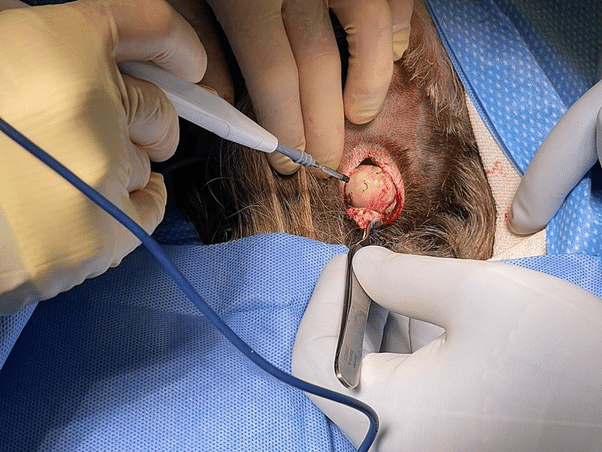
Facial and scalp cysts require specialized surgical techniques to minimize scarring and damage to hair follicles. The meticulous nature of these procedures ensures that cysts like milia can be removed without leaving a visible small scar. In certain cases, medical therapy must be done prior to surgical cyst removal. This is especially true for acne cysts.
For individuals with multiple scalp cysts, it’s feasible to treat them concurrently, providing efficient and effective treatment.
Body Cyst Removal
Body cysts can be removed through various surgical techniques, depending on their size and location. These techniques involve:
- Removing the cyst under local anaesthesia
- Making a small incision to access the cyst
- Ensuring the entire cyst, including its sac, is extracted to prevent recurrence
The surgical techniques employed for body cyst removal ensure that the surgical procedure is tailored to the specific size and location of the cyst, providing the best possible outcome.
Infected and Inflamed Cyst Removal

Infected cysts and inflamed cysts require careful treatment, often involving controlling inflammation and infection before removal. The indications of an infected and inflamed cyst include redness, swelling, pain, and discharge. To treat such cysts, the available options include draining the cyst if it’s swollen or infected, and in certain cases, surgical removal may be necessary.
Swift treatment of infected and inflamed cysts is necessary to avoid additional complications and alleviate any discomfort associated with the condition.
Preventing Cyst Recurrence
Preventing cyst recurrence involves proper aftercare and understanding the underlying causes of cyst formation. By ensuring that the entire cyst, including its sac, is removed, the likelihood of recurrence is minimized. Cleaning the cyst and the area around it at home is also essential. Gently bathe the cyst with clean, warm water and then dab it dry with a clean cloth, cotton wool, or medical dressing material.
Understanding the causes of cyst formation, such as skin cells migrating inwards rather than being shed away, can help you take preventative measures in your daily routine. This knowledge, combined with proper aftercare, can significantly reduce the risk of cyst recurrence.
When to Seek Medical Advice

You should seek medical advice if a cyst becomes painful, infected, or causes discomfort. Consulting a medical professional ensures appropriate treatment and prevention, reducing the risk of complications and providing you with the best possible outcome.
If a cyst doesn’t resolve independently or escalates in pain, obtaining medical advice is of utmost importance. Professional guidance can help you determine the best course of action and receive the most effective treatment for your specific situation.
Summary of How to Remove a Cyst
In conclusion, understanding the various types of cysts, their causes, and the available treatment options can empower you to take control of your skin’s health. Still want to know how to remove a cyst? Whether you opt for non-surgical methods like drainage and needle aspiration or require surgical procedures for more severe cysts, seeking professional medical advice is crucial for successful treatment and prevention. Remember, knowledge is power – and when it comes to tackling cysts, it’s your best weapon for healthy and comfortable skin.
Frequently Asked Questions (FAQ)
Can I remove a cyst myself?
Removing a cyst yourself is not recommended as it can be difficult and could lead to infection or cause damage to nearby nerves. It is best to seek surgical removal for a cyst.
What are some common types of cysts?
Common types of cysts include epidermoid, pilar, and sebaceous cysts.
What are some non-surgical cyst removal methods?
Non-surgical cyst removal methods include drainage, needle aspiration and home remedies, allowing individuals to address cysts without a surgical procedure.
How can I prevent cyst recurrence?
To prevent cyst recurrence, practice good aftercare and address any underlying causes of cyst formation.
When should I seek medical advice for a cyst?
If a cyst causes pain, infection or discomfort, you should seek medical advice.
If you’re ready to get rid of your cyst today, BOOK NOW for a consultation with a Linia Skin Clinic dermatologist