If you are wondering what thread veins are, you’ve come to the right place. These spider-like veins that can occur anywhere on the body but usually appear on the legs or face are prevalent. It is thought that thread veins could affect around 79% of men and 88% of women. If you suffer from them, you may be looking for a way to eliminate them. In the following post, we will discuss what they are, the symptoms associated with thread veins, how to prevent them and how to treat them once they have developed.
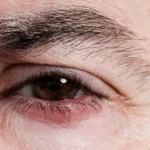
Thread veins are tiny but still prominent veins found beneath your skin’s surface. These veins, also known as spider veins, are rightly called because they branch off and form a spider-like pattern. Although they can technically appear anywhere on your body, they are more commonly found on the legs and the face.

Symptoms of Thread Veins
One of the first things most people want to know regarding a medical complaint, disease or illness is how to spot it. This is usually done by identifying the symptoms. The exciting thing about thread veins is that they typically do not have any noticeable symptoms. While it is not a hard and fast rule, it is worth remembering.
Sometimes, people have noticeable symptoms like itching, burning, or cramping. However, these symptoms are more commonly associated with another similar condition – varicose veins.
The prominence and appearance of spider veins will depend on various factors, such as the blood flow within specific veins and the vein’s proximity to the skin’s surface.
Often, thread veins will be different in colour. Generally, they can appear red or pink, but often they are a bit darker, purple or blue, but in other occurrences, they are more extensive.
The thread vein depth about the skin surface will affect how visible its colour is. The general rule of thumb is that the more profound the thread vein, the less vivid and distinctive it will be. The opposite is also true, that if the more subtle thread veins are, the more distinctive and vivid their colouring will be.
In addition to the more obvious spider-like thread veins, some develop into one short and very straight vein, so they don’t look the same.
Diagnosis of Thread Veins
Thread veins are mostly a cosmetic issue, so often diagnosis can be achieved effectively by a visual examination of the areas affected. However, it is not possible to properly establish thread vein causes from the visual examination. Failing to identify and treat the underlying venous disease can cause the failure of treatment or an early recurrence of the thread vein.
Causes of thread veins
There are a lot of aspects of thread veins that remain a mystery or where there is no exact science, such as their cause. There have been patterns that have emerged, and there have been instances with parents having it and then the children too, as well as being prevalent among siblings. It is thought, similarly to varicose veins, that genetic predisposition could have something to do with it.
There are some important risk factors to be aware of, such as if you work or spend much of your time standing up for prolonged periods, localised skin trauma, topical steroid use, pregnancy, and estrogen treatment. Sometimes thread veins on your legs are a sign that you have an underlying issue with your veins.

How to prevent thread veins
A correlation exists between getting older and a greater risk of developing thread veins. Although there is no way you can eliminate that risk, you can do things to reduce them.
You can start by increasing the circulation in your legs by exercising regularly and maintaining a reasonably healthy weight.
If you have a sedentary job, as many of us seem to have these days, you should walk and move around as often as you can or at least stretch your legs periodically to ensure optimum circulation and blood flow. There is also evidence to suggest a link between excessive consumption of alcohol and smoking and the presence of thread veins on your face.
While it may not prevent the development of thread veins, you can control and reduce the development of some of the symptoms like cramps, itching and burning with compression stockings.
Treatment of thread veins
When thread veins develop on your legs, the most effective treatment is what is known as micro sclerotherapy. This is a minimally invasive procedure that involves the injection of a particular substance known as a sclerosant in beautiful needles. This chemical causes the inner walls of the affected veins to become irritated and inflamed, forcing the walls to join together and make the vein disappear!
You can generally have that treatment as a walk-in procedure.
Facial Thread Vein Treatment
Facial thread veins require a different approach to treatment compared to what is effective with those on the legs. Thermocoagulation is often the best treatment for these types of spider veins. It involves the use of microscopic needles that are used to penetrate your skin. The surgeon will inject these tiny needles over the thread vein and close it off using heat.
While it is not incredibly painful, most patients tend to feel a pricking sensation when the needle is inserted.
You may need to have more than one session of treatment. If the treatment works, you will notice its effects immediately after a session.
Conclusion
In the following post, we have provided a fully detailed answer to the question of what thread veins are, the different thread vein treatments available and why people develop thread veins in the first place. We also examined the difference between thread veins on the face and your legs.
If you currently suffer from prominent and very noticeable thread veins, you can contact one of our team here at Linia Skin Clinic to learn more about our treatment options. We can also book you a free consultation appointment with one of our highly trained and fully qualified experts.