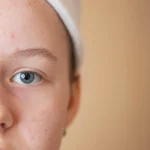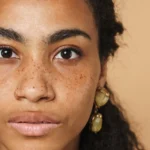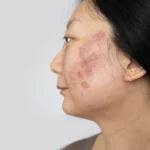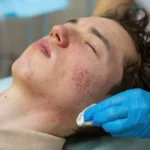

Teenage years bring many changes, and for most adolescents, acne is one of the most frustrating. If you’re a teenager struggling with spots, or a parent seeking to help your child, understanding teen acne is the first step towards clearer, healthier skin. At Linia Skin Clinic, we specialise in helping young people achieve the confidence that comes with clear skin.
What Is Teen Acne?
Teen acne, medically known as acne vulgaris, is a common skin condition that affects approximately 85% of teenagers between the ages of 12 and 24. It occurs when hair follicles become clogged with oil (sebum) and dead skin cells, leading to spots, blackheads, whiteheads, and sometimes painful cysts.
Unlike occasional breakouts, teen acne tends to be persistent and can appear on the face, forehead, chest, upper back, and shoulders. The condition can range from mild (occasional spots) to severe (widespread inflamed lesions and cysts).
Why Do Teenagers Get Acne?
Understanding the root causes of teen acne helps in developing an effective treatment strategy. Several factors contribute to teenage breakouts:
Hormonal Changes
During puberty, the body produces higher levels of androgens, particularly testosterone. These hormones stimulate the sebaceous glands to produce more sebum, an oily substance that normally helps protect the skin. Excess sebum, combined with dead skin cells, creates an ideal environment for acne-causing bacteria to thrive.
Increased Sebum Production
Teenage skin produces significantly more oil than adult skin. This excess oil can clog pores, leading to comedones (blackheads and whiteheads) and inflammatory acne lesions.
Bacteria
Cutibacterium acnes (formerly known as Propionibacterium acnes) is a bacterium that naturally lives on the skin. When pores become blocked, these bacteria multiply rapidly, triggering inflammation and the characteristic redness and swelling associated with spots.
Genetic Factors
If one or both parents experienced severe acne during their teenage years, their children are more likely to develop similar skin problems. Genetics influence how sensitive your skin is to hormones and how your body responds to inflammation.
Diet and Lifestyle
Whilst diet doesn’t directly cause acne, certain foods may exacerbate the condition. High-glycaemic foods, dairy products, and foods rich in refined sugars have been linked to worsening acne in some individuals. Additionally, stress, lack of sleep, and poor skincare habits can contribute to breakouts.
Types of Teen Acne
Teen acne manifests in various forms, each requiring different treatment approaches:
Non-Inflammatory Acne
Blackheads (Open Comedones): Small, dark spots caused by open pores filled with excess oil and dead skin cells. The dark colour comes from oxidation, not dirt.
Whiteheads (Closed Comedones): Small, flesh-coloured bumps that occur when pores are completely blocked beneath the skin’s surface.
Inflammatory Acne
Papules: Small, red, tender bumps without a visible centre. These indicate inflammation in the hair follicles.
Pustules: Similar to papules but with a white or yellow centre filled with pus. These are commonly known as “pimples.”
Nodules: Large, solid, painful lumps beneath the skin’s surface. These develop when clogged pores cause deep tissue damage.
Cysts: Deep, painful, pus-filled lesions that can cause scarring. Cystic acne is the most severe form and often requires professional treatment.

Teen Acne Treatment Options
Effective acne treatment typically involves a combination of approaches tailored to the individual’s skin type and acne severity.
Over-the-Counter Treatments
For mild acne, several non-prescription products can be effective:
Benzoyl Peroxide: Kills acne-causing bacteria and helps remove excess oil and dead skin cells. Available in strengths from 2.5% to 10%.
Salicylic Acid: Helps unclog pores and reduce inflammation. It’s particularly effective for blackheads and whiteheads.
Alpha Hydroxy Acids (AHAs): Glycolic acid and lactic acid help remove dead skin cells and improve skin texture.
Prescription Medications
Moderate to severe acne often requires prescription treatments:
Topical Retinoids: Derived from vitamin A, these medications prevent clogged pores and reduce inflammation. Common options include tretinoin, adapalene, and tazarotene.
Topical Antibiotics: Reduce bacteria and inflammation. Often combined with benzoyl peroxide for better results.
Oral Antibiotics: For inflammatory acne, antibiotics like doxycycline or minocycline may be prescribed for several months.
Hormonal Treatments: For teenage girls, combined oral contraceptive pills or anti-androgen medications can help regulate hormones that contribute to acne.
Isotretinoin (Roaccutane): Reserved for severe, persistent acne that hasn’t responded to other treatments. This powerful medication requires careful monitoring but can produce excellent long-term results.
Professional Treatments at Linia Skin Clinic
Our clinic offers advanced treatments that can significantly improve teen acne:
Chemical Peels: Medical-grade peels containing salicylic acid, glycolic acid, or other ingredients help exfoliate the skin and unclog pores.
LED Light Therapy: Blue light therapy targets acne-causing bacteria, whilst red light reduces inflammation and promotes healing.
Extraction Treatments: Professional extraction of blackheads and whiteheads performed safely to prevent scarring.
Customised Skincare Programmes: Our dermatology experts create personalised treatment plans combining in-clinic procedures with home care routines.
Teen Acne Skincare Routine
Establishing a consistent, gentle skincare routine is crucial for managing teenage acne:
Morning Routine
- Cleanse with a gentle, non-comedogenic face wash
- Apply a lightweight, oil-free moisturiser with SPF 30 or higher
- Use any prescribed topical medications as directed
Evening Routine
- Remove makeup and sunscreen thoroughly
- Cleanse with a suitable face wash
- Apply treatment products (retinoids, benzoyl peroxide, or prescribed medications)
- Moisturise with a non-comedogenic product
Important Skincare Tips
- Wash your face twice daily, but avoid over-washing, which can irritate skin and worsen acne
- Choose products labelled “non-comedogenic” or “oil-free”
- Never pick, squeeze, or pop spots, as this can lead to scarring and infection
- Change pillowcases regularly to reduce bacterial exposure
- Remove makeup before bed every night
- Avoid touching your face throughout the day
How to Prevent Teen Acne
Whilst you can’t completely prevent hormonal acne, these strategies can minimise breakouts:
Lifestyle Modifications
Maintain a Balanced Diet: Focus on whole foods, vegetables, fruits, lean proteins, and whole grains. Limit high-glycaemic foods and excessive dairy if you notice they worsen your acne.
Stay Hydrated: Drinking adequate water helps maintain skin health and supports the body’s natural detoxification processes.
Manage Stress: Stress hormones can trigger oil production. Practice stress-reduction techniques like exercise, meditation, or hobbies you enjoy.
Get Adequate Sleep: Aim for 8-10 hours of quality sleep per night to support skin repair and hormone regulation.
Exercise Regularly: Physical activity improves circulation and helps regulate hormones, but always shower and cleanse your face after sweating.
Avoid Acne Triggers
- Don’t use heavy, oil-based cosmetics or hair products
- Keep hair clean and away from your face
- Avoid excessive sun exposure, which can worsen acne and cause post-inflammatory hyperpigmentation
- Don’t scrub your skin aggressively or use harsh exfoliants
Teen Acne Scars: Prevention and Treatment
Acne scars develop when inflammatory acne damages the skin’s collagen. Prevention is always easier than treatment:
Preventing Acne Scars
- Treat acne early and effectively
- Never pick or squeeze spots
- Protect skin from sun exposure with SPF
- Seek professional treatment for severe or cystic acne
Treating Existing Scars
At Linia Skin Clinic, we offer several treatments for acne scarring:
Microneedling: Stimulates collagen production to improve skin texture and reduce scar appearance
Chemical Peels: Help resurface the skin and fade post-inflammatory hyperpigmentation
Laser Treatments: Advanced laser technology can significantly improve various types of acne scars
Dermal Fillers: For certain types of depressed scars, temporary fillers can create a smoother skin surface
When to See a Dermatologist
Whilst mild acne can often be managed with over-the-counter products, professional help is recommended if:
- Over-the-counter treatments haven’t improved your acne after 6-8 weeks
- You have moderate to severe acne with painful nodules or cysts
- Acne is causing emotional distress or affecting self-esteem
- You’re developing acne scars
- Your acne suddenly worsens despite treatment
- You experience side effects from acne medications
Teen Acne and Mental Health
The impact of acne extends beyond physical appearance. Research shows that teenagers with acne are more likely to experience:
- Low self-esteem and poor body image
- Social anxiety and withdrawal from social activities
- Depression and mood changes
- Academic difficulties due to reduced confidence
It’s crucial to address both the physical and emotional aspects of teen acne. At Linia Skin Clinic, we understand the psychological impact of skin conditions and provide supportive, compassionate care that considers the whole person, not just their skin.
If acne is significantly affecting your mental wellbeing, speak with your GP or a mental health professional alongside seeking dermatological treatment.
Myths and Facts About Teen Acne
Let’s dispel some common misconceptions:
Myth: Acne is caused by dirty skin. Fact: Acne is primarily caused by hormones, genetics, and bacteria, not poor hygiene. Over-washing can actually worsen acne.
Myth: You should let acne “run its course.” Fact: Early, effective treatment prevents scarring and improves outcomes. Don’t wait for acne to resolve on its own.
Myth: Toothpaste can cure spots overnight. Fact: Toothpaste contains ingredients that can irritate skin. Stick to proven acne treatments instead.
Myth: Makeup causes acne. Fact: Non-comedogenic makeup doesn’t cause acne. However, not removing makeup properly can contribute to breakouts.
Myth: Sun exposure clears acne. Fact: Whilst sun may temporarily dry out spots, it can worsen acne long-term and cause hyperpigmentation. Always use sun protection.
Why Choose Linia Skin Clinic for Teen Acne Treatment?
At Linia Skin Clinic, we specialise in treating teenage skin concerns with evidence-based treatments and compassionate care. Our approach includes:
- Expert Assessment: Comprehensive skin analysis to identify your specific acne type and triggers
- Personalised Treatment Plans: Customised programmes combining the most effective treatments for your individual needs
- Advanced Technology: Access to the latest acne treatment technologies and techniques
- Ongoing Support: Regular follow-up appointments to monitor progress and adjust treatments as needed
- Education: We empower teenagers and parents with knowledge about proper skincare and acne management
- Holistic Approach: Consideration of lifestyle, diet, and emotional wellbeing alongside medical treatment