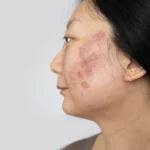
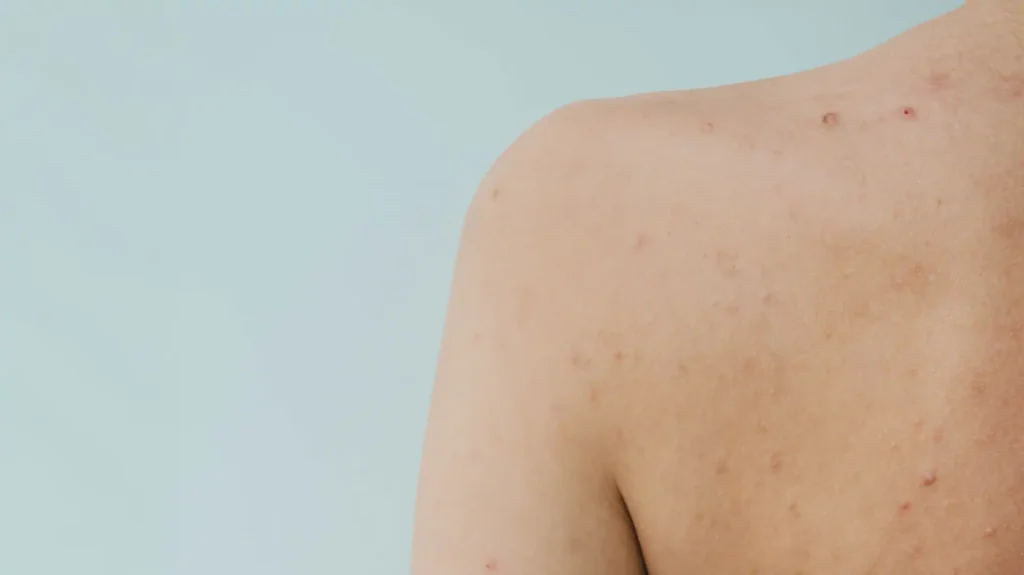
Shoulder acne: sometimes called back and shoulder acne, or colloquially ‘bacne’: is far more common than most people realise. Whether it appears as small whiteheads dotted across the shoulders, deep cystic nodules, or a persistent scattering of red bumps, this skin condition can be both physically uncomfortable and emotionally distressing. At Linia Skin Clinic, we see patients from across the UK who have spent years covering up their shoulders in summer, avoiding swimming pools, or feeling self-conscious in sleeveless tops. The good news? Shoulder acne is treatable: and in many cases, entirely preventable once you understand what is driving it.
In this comprehensive guide, our skin specialists walk you through everything you need to know: from the root causes and aggravating factors, to professional clinical treatments, effective at-home routines, and the lifestyle changes that can make a meaningful difference. If you are ready to take your shoulders back, read on.
What Is Shoulder Acne?
Acne is a chronic skin condition that arises when hair follicles become clogged with oil (sebum), dead skin cells, and bacteria: most notably Cutibacterium acnes (formerly known as Propionibacterium acnes). The shoulders are particularly prone to breakouts for a number of anatomical and lifestyle-related reasons: they have a high concentration of sebaceous glands, they are frequently covered by clothing that traps heat and sweat, and they are often exposed to friction from bags, bra straps, and sportswear.
Shoulder acne can manifest in several forms:
- Comedones (blackheads and whiteheads): blocked pores that have not become inflamed
- Papules: small, raised, red, or pink bumps caused by inflammation
- Pustules: papules with visible pus at the tip
- Nodules: large, solid, painful lumps deep within the skin
- Cystic acne: the most severe form, involving pus-filled cysts that can cause scarring
- Acne mechanica: breakouts triggered specifically by friction and pressure from clothing or equipment
Understanding which type of acne you are dealing with is the first step towards choosing the right treatment approach.
What Causes Shoulder Acne?
Shoulder acne rarely has a single cause. In most cases, it is the result of several overlapping factors, and identifying your personal triggers is key to getting it under control.
1. Excess Sebum Production
The sebaceous glands on the back, chest, and shoulders are larger and more active than those on other areas of the body. When these glands overproduce oil: often due to hormonal fluctuations: the excess sebum mixes with dead skin cells and blocks the follicle opening, creating the ideal environment for acne-causing bacteria to thrive.
2. Hormonal Imbalances
Hormones are one of the most significant drivers of acne at any age. Androgens: male hormones present in both men and women: stimulate sebum production. During puberty, the menstrual cycle, pregnancy, the perimenopause, and periods of high stress, androgen levels can surge, triggering or worsening shoulder breakouts. Polycystic ovary syndrome (PCOS) is also frequently associated with persistent acne on the shoulders, back, and jaw.
3. Friction and Pressure (Acne Mechanica)
This is one of the most overlooked causes of shoulder acne in the UK. Repeated rubbing or pressure from clothing, rucksack straps, bra straps, gym bags, tight sportswear, or even a shoulder bag worn daily can create micro-trauma to the skin. This disrupts the follicle wall and triggers an inflammatory response, leading to breakouts specifically along the contact points.
4. Sweat and Occlusion
Sweat itself does not directly cause acne, but when it becomes trapped against the skin: under tight clothing, compression garments, or damp gym wear: it creates a warm, moist environment that encourages bacterial overgrowth. People who exercise frequently, live in warmer climates, or spend long hours in non-breathable fabrics are at greater risk.
5. Hair Products
This is a surprisingly common and frequently missed culprit. Conditioners, hair oils, serums, and styling products that run down the neck and onto the shoulders during washing or sweating can block pores. This specific pattern is sometimes called ‘pomade acne’ and tends to cluster around the hairline and upper shoulders.
6. Diet
The relationship between diet and acne continues to be studied, but the evidence is growing. High-glycaemic foods (white bread, sugary drinks, processed snacks) can spike insulin levels and promote sebum production. Dairy: particularly skimmed milk: has also been linked to acne in several studies, possibly due to the hormones and growth factors naturally present in milk. That said, dietary triggers are highly individual; what worsens acne in one person may have no effect in another.
7. Stress
When we are stressed, the body releases cortisol, which in turn increases sebum production and promotes inflammation. Chronic stress does not just affect the face: it can cause or aggravate shoulder and back acne just as readily. Many of our patients at Linia notice that their skin flares noticeably during demanding periods at work, exams, or significant life events.
8. Genetics
A predisposition to acne can run in families. If one or both parents had acne, you are statistically more likely to develop it yourself. Genetics can influence the size and activity of your sebaceous glands, your skin’s inflammatory response, and how quickly dead skin cells are shed.
9. Certain Medications
Some prescription medications can trigger or worsen acne, including lithium, corticosteroids, some anticonvulsants, and anabolic steroids. If you have noticed a correlation between starting a new medication and developing shoulder acne, it is worth discussing this with your GP or prescribing clinician.
At-Home Care: Building an Effective Shoulder Acne Routine
Whilst professional treatment is often the most reliable route to clear skin, a consistent and well-chosen at-home routine forms the essential foundation. Here is what our Linia clinicians recommend:
Choose the Right Cleanser
Use a gentle, non-comedogenic body wash containing active acne-fighting ingredients. Look for:
- Salicylic acid (0.5–2%): a beta-hydroxy acid (BHA) that penetrates into the pore and dissolves the debris that causes blockages. Ideal for comedonal and mild inflammatory acne.
- Benzoyl peroxide (2.5–5%): an antimicrobial agent that targets acne-causing bacteria. Effective for inflamed spots, though it can bleach towels and clothing.
- Zinc pyrithione: has antimicrobial and anti-inflammatory properties; useful for those with sensitive skin who cannot tolerate the above.
Avoid heavily fragranced body washes, which can irritate already-inflamed skin, and bar soaps, which may disrupt the skin’s natural pH.
Exfoliate: But Gently
Regular exfoliation helps prevent the build-up of dead skin cells that contribute to blocked follicles. However, over-exfoliating or using harsh physical scrubs can worsen inflammation and damage the skin barrier. Opt for a chemical exfoliant: such as a salicylic acid or glycolic acid body lotion applied two to three times per week: rather than abrasive scrubs.
Apply a Targeted Spot Treatment
After cleansing, apply a targeted treatment to the affected area. Effective over-the-counter options include:
- Adapalene 0.1% gel (available OTC in the UK): a retinoid that regulates skin cell turnover and reduces follicle blockage. Use at night and always follow with SPF during the day.
- Benzoyl peroxide cream or gel (2.5–5%): apply to active spots to reduce bacterial load.
- Niacinamide: a form of vitamin B3 with anti-inflammatory properties; good for calming redness and supporting the skin barrier.
Moisturise: Yes, Even Acne-Prone Skin
Stripping the skin dry often backfires: a compromised skin barrier triggers the sebaceous glands to produce even more oil in compensation. Choose a lightweight, oil-free, non-comedogenic moisturiser or body lotion. Ingredients such as hyaluronic acid and ceramides hydrate without clogging pores.
Always Shower After Exercise
One of the simplest and most effective things you can do is shower promptly after exercise. Allowing sweat to dry on the skin creates the perfect environment for bacteria to multiply. Use your active cleanser during your post-workout shower and change into clean, loose-fitting clothing immediately afterwards.
Change Your Bed Linen and Towels Regularly
Pillowcases, bed sheets, and towels accumulate sweat, skin cells, and bacteria surprisingly quickly. Aim to change pillowcases at least twice a week and bed sheets weekly. Always use a clean towel: or even a disposable one: after cleansing your skin.
Lifestyle Changes That Can Make a Real Difference
Skincare products alone rarely resolve persistent shoulder acne. The following lifestyle modifications, though they may seem small individually, can have a significant cumulative impact on your skin.
Reassess Your Wardrobe
Switch to loose-fitting, breathable clothing made from natural fibres: cotton and bamboo in particular. These allow air to circulate and reduce sweat accumulation. Avoid wearing tight synthetic fabrics (polyester, nylon) for extended periods, especially during warm weather or physical activity. Moisture-wicking sportswear is preferable to standard cotton during exercise, as it draws sweat away from the skin more effectively.
If you carry a rucksack or shoulder bag daily, consider rotating which shoulder you use, or switching to a crossbody bag with a padded strap to reduce friction and pressure on the affected area.
Rethink Your Hair Care Routine
Rinse conditioner and hair treatments off your hair before washing your body, so any residue is cleansed away rather than sitting on your shoulders. Try switching to a lighter, water-based conditioner, and consider tying your hair up whilst you sleep to reduce product transfer onto your pillow and shoulders overnight.
Review Your Diet
You do not need to overhaul your entire diet, but certain targeted adjustments may help. Reducing your intake of high-glycaemic foods: such as white bread, rice, sugary cereals, fizzy drinks, and crisps: in favour of whole grains, legumes, vegetables, and lean proteins can help stabilise insulin levels and reduce the hormonal stimulus for sebum production.
Some people find that reducing or eliminating dairy makes a noticeable difference to their acne. This is worth trialling for six to eight weeks, bearing in mind that you should ensure you are getting calcium from alternative sources (leafy greens, fortified plant milks, tinned fish with bones).
Omega-3 fatty acids, found in oily fish such as salmon, mackerel, and sardines, as well as in flaxseeds and walnuts, have anti-inflammatory properties that may benefit acne-prone skin.
Manage Your Stress
We appreciate that ‘manage your stress’ is easier said than done, but even small reductions in chronic stress can have meaningful benefits for acne-prone skin. Evidence-based approaches include regular physical activity (though remember to shower promptly afterwards), mindfulness meditation, adequate sleep, and setting boundaries around work and technology use. If stress is significantly affecting your quality of life, speaking with your GP or a therapist is always worthwhile.
Stay Well Hydrated
Adequate hydration supports overall skin health and barrier function. Aim for approximately six to eight glasses of water per day, adjusting for exercise, hot weather, and individual variation. Reducing alcohol intake is also beneficial, as alcohol is dehydrating, can disrupt hormonal balance, and may aggravate inflammation.
Avoid Touching or Picking
We know it is tempting: but picking, squeezing, or scratching shoulder spots introduces new bacteria from your hands into the follicle, dramatically increases the risk of scarring and post-inflammatory hyperpigmentation (PIH), and prolongs healing time. Leave active spots alone and focus your energy on your cleansing and treatment routine instead.
Acne Scarring: What Can Be Done?
One of the most common concerns our patients bring to us is not the active acne itself, but the marks and scars it has left behind. Acne scarring on the shoulders and back can take several forms:
- Post-inflammatory hyperpigmentation (PIH): flat dark marks that remain after a spot has healed. These are caused by excess melanin production during the inflammatory process and are particularly common in medium to deep skin tones.
- Post-inflammatory erythema (PIE): flat red or pink marks caused by dilated blood vessels in the skin after inflammation. More common in lighter skin tones.
- Atrophic scars: sunken, pitted scars caused by loss of collagen during the healing process.
- Hypertrophic or keloid scars: raised, thickened scars more common on the back and shoulders than on the face, and more prevalent in people with medium to deep skin tones.
Effective treatments for acne scarring include chemical peels, microneedling, laser therapies, and: for raised scars: intralesional corticosteroid injections. A personalised treatment plan is essential, as the most appropriate approach depends on scar type, skin tone, and the extent of the scarring. Our clinicians at Linia take a thorough, evidence-based approach to acne scar management.
When Should You See a Skin Specialist?
Whilst mild shoulder acne can often be managed effectively at home, there are clear signs that professional support is warranted:
- Your acne has persisted for more than eight to twelve weeks despite consistent at-home treatment.
- You are developing nodules or cysts: deep, painful lesions that rarely resolve without targeted treatment and carry a high risk of scarring.
- You are noticing acne scarring or significant post-inflammatory marks.
- Your acne is affecting your confidence, mental health, or quality of life.
- You suspect a hormonal cause: especially if breakouts worsen with your menstrual cycle or you have other symptoms of hormonal imbalance.
- Over-the-counter products are causing irritation or are simply not working.
At Linia Skin Clinic, our consultations are thorough, unhurried, and entirely confidential. We take the time to understand your skin’s history, identify your triggers, and design a treatment plan that is realistic, evidence-based, and tailored to your lifestyle.