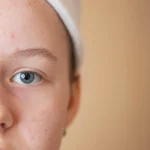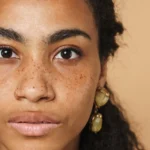

Acne scars can be a lasting reminder of past breakouts, affecting not just your appearance but also your self-confidence. Amongst the various types of acne scarring, pitted scars—also known as atrophic scars—are particularly common and can be challenging to treat. At Linia Skin Clinic in London, we specialise in advanced scar treatments that help our patients achieve smoother, more even-textured skin.
If you’re struggling with pitted acne scars, this comprehensive guide will explain what causes them, the different types you might have, and the most effective treatment options available.
What Are Pitted Acne Scars?
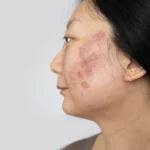
Pitted acne scars are depressed areas in the skin that create an uneven, crater-like texture. These scars form when inflammatory acne damages the skin and underlying tissue, and the body doesn’t produce enough collagen during the healing process. The result is a depression or indent in the skin’s surface.
Unlike raised (hypertrophic) scars or dark marks (post-inflammatory hyperpigmentation), pitted scars involve actual tissue loss, which makes them more complex to treat. However, with modern dermatological treatments, significant improvement is absolutely achievable.
Types of Pitted Acne Scars
Understanding which type of pitted scar you have is essential for determining the most effective treatment approach. There are three main categories:
Ice Pick Scars These are narrow, deep scars that extend into the dermis, resembling small puncture marks made by an ice pick. They’re typically less than 2mm in width but can be quite deep, giving the skin a pitted appearance. Ice pick scars are the most common type of atrophic acne scar and often the most challenging to treat due to their depth.
Boxcar Scars Boxcar scars are wider than ice pick scars, with well-defined, sharp vertical edges. They’re typically round or oval depressions with a box-like appearance. These scars can be shallow or deep and are most commonly found on the cheeks and temples. The wider surface area of boxcar scars often makes them more noticeable than ice pick scars.
Rolling Scars Rolling scars create a wave-like, undulating appearance on the skin’s surface. They occur when fibrous bands of tissue develop between the skin and underlying subcutaneous tissue, pulling the epidermis down and creating a rolling topography. These scars tend to be wider and more shallow than ice pick or boxcar scars, giving the skin an uneven texture.
Many people have a combination of these scar types, which is why a personalised treatment approach is so important.
What Causes Pitted Acne Scars?
Several factors contribute to the formation of pitted acne scars:
Inflammatory Acne The more inflamed an acne lesion is, the more likely it is to cause scarring. Nodules and cysts, which are deep, painful breakouts, are particularly prone to leaving pitted scars because they damage deeper layers of skin tissue.
Delayed or Inadequate Treatment When acne isn’t treated promptly or effectively, inflammation can persist longer, increasing the risk of scarring. Early intervention is crucial for preventing scar formation.
Picking and Squeezing Manipulating acne lesions—squeezing, picking, or popping spots—significantly increases the risk of scarring. This behaviour forces bacteria deeper into the skin, increases inflammation, and disrupts the natural healing process.
Genetics Some people are simply more prone to scarring than others due to genetic factors that affect how their skin heals and produces collagen.
Skin Tone Whilst pitted scars can affect anyone regardless of skin colour, certain skin types may be more susceptible to specific types of scarring or may face additional challenges such as post-inflammatory hyperpigmentation alongside textural scarring.
Can Pitted Acne Scars Be Prevented?
Prevention is always better than treatment when it comes to acne scarring. Here are key strategies to minimise your risk:
Treat Acne Early and Effectively Don’t wait for acne to resolve on its own, especially if you’re experiencing inflammatory breakouts. Seek professional treatment early to reduce inflammation and prevent tissue damage.
Never Pick or Squeeze Spots As tempting as it may be, picking at acne significantly increases scarring risk. If you struggle with this habit, consider speaking with a dermatologist or therapist about strategies to stop.
Use Sun Protection UV exposure can worsen scarring and hyperpigmentation. Always wear a broad-spectrum SPF of at least 30, even on cloudy days.
Follow Professional Advice If you’re undergoing acne treatment, follow your dermatologist’s recommendations carefully and complete the full course of treatment.
Maintain a Gentle Skincare Routine Avoid harsh scrubs or aggressive treatments that can further irritate inflamed skin and potentially worsen scarring.

Professional Treatments for Pitted Acne Scars
At Linia Skin Clinic, we offer a range of advanced treatments specifically designed to improve the appearance of pitted acne scars. The most suitable option depends on your scar type, skin type, and individual goals.
Microneedling and Radiofrequency Microneedling Microneedling involves using fine needles to create controlled micro-injuries in the skin, stimulating the body’s natural wound-healing response and promoting collagen production. This treatment is particularly effective for shallow to moderate boxcar and rolling scars.
Radiofrequency microneedling combines traditional microneedling with radiofrequency energy, which heats the deeper layers of skin to further stimulate collagen remodelling. This advanced technique can achieve more dramatic results, especially for deeper scars.
Multiple sessions are typically required, spaced several weeks apart, with gradual improvement visible over several months as new collagen forms.
Laser Resurfacing Laser treatments are amongst the most effective options for pitted acne scars. There are two main categories:
Ablative Lasers such as CO2 and Erbium YAG lasers remove the outer layers of skin, promoting the growth of new, smoother skin. These treatments are highly effective but require more downtime for healing.
Non-Ablative Lasers work by heating the underlying skin tissue without removing the top layer, stimulating collagen production with less downtime. Whilst gentler, they typically require more treatment sessions to achieve comparable results.
Fractional laser technology, whether ablative or non-ablative, treats only a fraction of the skin at a time, leaving surrounding tissue intact to speed healing and reduce side effects.
Chemical Peels Medical-grade chemical peels use concentrated acids to exfoliate the skin’s surface and stimulate regeneration. Whilst superficial peels may improve skin texture and tone, deeper peels such as TCA (trichloroacetic acid) peels can be effective for shallow pitted scars.
Chemical peels work particularly well for rolling scars and can be combined with other treatments for enhanced results. The depth and type of peel will be tailored to your specific needs and skin type.
Dermal Fillers For certain types of pitted scars, particularly rolling and some boxcar scars, injectable dermal fillers can provide immediate improvement by literally filling in the depression. Hyaluronic acid fillers are commonly used for this purpose.
Whilst the results are temporary (typically lasting 6-18 months), fillers can be an excellent option for special events or as part of a broader treatment plan. Some practitioners also use fillers to improve results from other treatments or to maintain improvements between sessions.
Subcision This surgical technique is particularly effective for rolling scars and deep, tethered boxcar scars. During subcision, a special needle is inserted beneath the scar to break up the fibrous bands of tissue that are pulling the skin downward. This releases the scar tissue and allows the skin to rise, reducing the appearance of the depression.
Subcision is often combined with other treatments such as fillers or laser therapy for optimal results. Some bruising and swelling are normal after the procedure, but these typically resolve within a week or two.
TCA CROSS (Chemical Reconstruction of Skin Scars) This targeted treatment involves applying high-concentration trichloroacetic acid directly into individual ice pick or boxcar scars. The acid causes controlled damage that stimulates collagen production specifically within the scar, causing it to rise and become less noticeable.
TCA CROSS is particularly effective for deep, narrow ice pick scars that don’t respond well to other treatments. Multiple sessions are usually required, spaced 4-6 weeks apart.
Punch Techniques For deep ice pick scars, punch excision, punch elevation, or punch grafting may be recommended. These minor surgical procedures involve removing the scarred tissue and either allowing it to heal naturally, elevating it to skin level, or replacing it with a small skin graft from behind the ear.
These techniques are highly effective for individual, deep scars but are typically reserved for specific cases where other treatments haven’t been successful.
Combining Treatments for Best Results
In many cases, the most effective approach to treating pitted acne scars involves combining multiple treatments. For example, subcision might be performed first to release tethered scars, followed by laser resurfacing to improve overall skin texture, and then dermal fillers to address any remaining depressions.
At Linia Skin Clinic, we create personalised treatment plans that may incorporate several modalities to address your unique combination of scar types and achieve the best possible outcome.
What to Expect During Treatment
Consultation Your journey begins with a thorough consultation where we’ll examine your scars, discuss your medical history, assess your skin type, and understand your goals. We’ll explain which treatments are most suitable for you and create a customised treatment plan.
Treatment Sessions The number of sessions required varies depending on the treatment type and scar severity. Some patients see improvement after just one treatment, whilst others may need multiple sessions spaced weeks or months apart.
Most treatments are performed with topical anaesthetic to minimise discomfort. Treatment times range from 30 minutes to over an hour, depending on the size of the area being treated.
Recovery and Downtime Downtime varies significantly between treatments. Non-ablative procedures might cause only mild redness for a day or two, whilst ablative laser treatments can require 1-2 weeks of healing time with temporary crusting and peeling.
Your practitioner will provide detailed aftercare instructions, which typically include gentle cleansing, moisturising, strict sun protection, and avoiding certain products or activities during the healing period.
Results Timeline Improvement from pitted acne scar treatments is gradual. Whilst some treatments like fillers provide immediate results, most work by stimulating your body’s natural collagen production, which takes time. You may begin to see improvement within a few weeks, with continued enhancement over 3-6 months as new collagen forms.
At-Home Care for Pitted Acne Scars
Whilst professional treatments are essential for significant improvement of pitted scars, maintaining a good skincare routine at home can support your results:
Retinoids Topical retinoids (prescription or over-the-counter) promote cell turnover and collagen production. Whilst they won’t eliminate pitted scars on their own, they can improve skin texture and may enhance results from professional treatments.
Vitamin C Serums Vitamin C is an antioxidant that supports collagen synthesis and can help brighten the skin, making scars less noticeable.
Alpha Hydroxy Acids (AHAs) Products containing glycolic or lactic acid provide gentle exfoliation, improving skin texture and tone over time.
Sun Protection Daily use of broad-spectrum SPF 30 or higher is essential. UV exposure can darken scars and compromise your skin’s healing ability.
Hydration Keeping skin well-moisturised supports the healing process and overall skin health.
It’s important to have realistic expectations about at-home treatments. Whilst they can improve overall skin quality and may make scars slightly less noticeable, they cannot significantly improve the depth or texture of pitted scars—professional intervention is necessary for meaningful results.
How Long Do Results Last?
The longevity of results depends on the treatment type:
- Laser resurfacing and microneedling stimulate permanent collagen remodelling, so improvements can be long-lasting, though the natural ageing process will continue
- Dermal fillers provide temporary results lasting 6-18 months and require maintenance treatments
- Surgical techniques like punch excision and subcision offer permanent improvement to treated scars
- Chemical peels may require periodic maintenance treatments
Protecting your skin from sun damage, maintaining a healthy lifestyle, and following a good skincare routine can help preserve your results for as long as possible.
Are There Risks or Side Effects?
All cosmetic procedures carry some risks, though serious complications are rare when performed by experienced, qualified practitioners. Potential side effects vary by treatment but may include:
- Temporary redness, swelling, and discomfort
- Bruising (particularly with subcision or fillers)
- Temporary changes in skin pigmentation, especially in darker skin tones
- Infection (rare with proper aftercare)
- Scarring (very rare when performed correctly)
During your consultation at Linia Skin Clinic, we’ll discuss the specific risks associated with your recommended treatment and ensure you’re fully informed before proceeding.
Who Is a Good Candidate for Pitted Acne Scar Treatment?
Most people with pitted acne scars can benefit from professional treatment. Ideal candidates are:
- In good overall health
- No longer experiencing active, inflammatory acne (active acne should be treated first)
- Have realistic expectations about results
- Committed to following pre- and post-treatment instructions
- Not pregnant or breastfeeding (for certain treatments)
Some treatments may not be suitable for certain skin types or tones, which is why a professional assessment is essential. At our London clinic, we have experience treating all skin types and can recommend the safest, most effective options for you.
The Emotional Impact of Acne Scarring
It’s important to acknowledge that pitted acne scars aren’t just a cosmetic concern. Many people with visible scarring experience reduced self-confidence, anxiety in social situations, and may avoid activities like swimming or going makeup-free. These feelings are completely valid.
Seeking treatment for your scars is an investment in your wellbeing, not vanity. Improving the appearance of your skin can have profound effects on your quality of life and self-esteem.
Why Choose Linia Skin Clinic for Pitted Acne Scar Treatment?
At Linia Skin Clinic in London, we understand the physical and emotional impact of acne scarring. Our experienced team uses the latest evidence-based treatments and advanced technology to deliver safe, effective results.
We take a personalised approach to every patient, recognising that each person’s scarring is unique. During your consultation, we’ll take time to understand your concerns, assess your scars thoroughly, and create a tailored treatment plan designed to achieve your goals.
Our commitment doesn’t end when your treatment does. We provide comprehensive aftercare support and follow-up to ensure you’re healing properly and achieving the best possible results.
Taking the First Step Towards Smoother Skin
Living with pitted acne scars can be frustrating, but you don’t have to accept them as permanent. Modern dermatological treatments can significantly improve the appearance of even severe scarring, helping you achieve smoother, more even-textured skin.
If you’re ready to address your pitted acne scars, we invite you to book a consultation at Linia Skin Clinic in London. Together, we’ll develop a treatment plan that’s right for you and start your journey towards renewed confidence and the skin you deserve.
Remember, improvement takes time and patience, but with the right treatment approach and professional guidance, visible results are within reach. Your clearer, smoother skin journey starts here.