
Acne is one of the most common skin conditions, affecting millions of people worldwide. While hormones, genetics, and skincare habits play significant roles, many believe that the location of your breakouts can reveal underlying health issues. This practice, known as “face mapping,” has roots in traditional Chinese medicine and Ayurveda, suggesting that different areas of your face correspond to different organs and bodily systems.
What Is Face Mapping?
Face mapping is based on the concept that your face is a mirror of your internal health. According to this approach, recurring acne in specific zones may indicate imbalances in corresponding organs or lifestyle factors. While modern dermatology emphasizes that acne is primarily caused by clogged pores, excess oil production, bacteria, and inflammation, face mapping offers an interesting complementary perspective that many find helpful.
The Face Map: Zone by Zone
Possible causes: Digestive system, stress, irregular sleep patterns
Breakouts on your forehead are often linked to digestive issues, dehydration, or stress. This area is also prone to acne if you frequently touch your face, wear hats, or have oily hair that touches your forehead.
What to try:
- Drink more water throughout the day
- Reduce processed foods and increase fiber intake
- Practice stress management techniques like meditation or yoga
- Keep hair products away from your hairline
- Get adequate sleep (7-9 hours)
Between the Eyebrows
Possible causes: Liver function, alcohol consumption, food allergies
In traditional face mapping, this area is connected to the liver. Breakouts here might suggest you’re consuming too much alcohol, rich foods, or dairy products.
What to try:
- Reduce alcohol intake
- Cut back on dairy and fatty foods
- Consider food sensitivities testing
- Eat more fresh vegetables and antioxidant-rich foods
Temples
Possible causes: Dehydration, processed foods, gallbladder issues
The temples are associated with the kidneys and lymphatic system. Breakouts in this area may indicate poor hydration or a diet high in processed foods.
What to try:
- Increase water intake significantly
- Reduce sodium and processed food consumption
- Check if your skincare or hair products are irritating this area
Nose
Possible causes: Heart health, blood pressure, pollution exposure
The nose is rich in oil glands, making it naturally prone to blackheads and acne. In face mapping, it’s connected to cardiovascular health.
What to try:
- Maintain a heart-healthy diet rich in omega-3s
- Check your blood pressure regularly
- Use non-comedogenic skincare products
- Cleanse thoroughly to remove makeup and pollution
- Consider vitamin B supplements (after consulting a healthcare provider)

Cheeks
Possible causes: Respiratory system, phone/pillowcase hygiene, allergies
Upper cheeks are linked to the respiratory system, while lower cheeks may reflect dental hygiene. However, cheek acne is commonly caused by external factors like dirty phones, pillowcases, or touching your face.
What to try:
- Clean your phone screen daily with antibacterial wipes
- Change pillowcases twice weekly
- Avoid resting your face on your hands
- If you smoke, consider quitting
- Check for seasonal allergies
- Improve indoor air quality
Chin and Jawline
Possible causes: Hormonal fluctuations, reproductive organs, stress
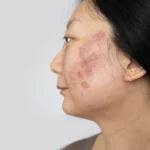
This is the most common area for hormonal acne, particularly in women. Breakouts along the jawline and chin often correlate with menstrual cycles, PCOS, or hormonal imbalances.
What to try:
- Track your breakouts against your menstrual cycle
- Consult a dermatologist or endocrinologist about hormonal testing
- Consider spearmint tea, which some studies suggest may help with hormonal acne
- Reduce stress levels
- Evaluate if you need to adjust hormonal medications or birth control
The Science Behind Face Mapping
It’s important to approach face mapping with realistic expectations. While traditional medicine has used these concepts for centuries, modern dermatology emphasizes that acne is multifactorial. The location of your acne can be influenced by:
- Hormones: Especially affecting the lower face and jawline
- Hygiene habits: How you touch your face, clean your phone, or wash your pillowcases
- Skincare products: Comedogenic ingredients that clog pores
- Hair products: Oils and silicones that transfer to your skin
- Genetics: Your inherited predisposition to acne
- Bacteria: Particularly Cutibacterium acnes (formerly Propionibacterium acnes)
When to See a Dermatologist
Face mapping can be a useful tool for reflection on your overall health and habits, but it shouldn’t replace professional medical advice. Consider seeing a dermatologist if:
- Your acne is severe, cystic, or painful
- Over-the-counter treatments haven’t worked after 8-12 weeks
- Acne is leaving scars
- You suspect hormonal imbalances
- Breakouts are affecting your mental health or self-esteem
A Holistic Approach to Clear Skin
Whether or not you believe in face mapping, taking a holistic approach to acne treatment is beneficial. This includes:
- Consistent skincare routine: Gentle cleanser, appropriate treatments (like benzoyl peroxide or salicylic acid), and moisturizer
- Healthy diet: Rich in whole foods, vegetables, and anti-inflammatory ingredients
- Adequate hydration: At least 8 glasses of water daily
- Stress management: Regular exercise, meditation, or therapy
- Quality sleep: 7-9 hours per night
- Good hygiene: Clean pillowcases, phones, and makeup brushes
The Bottom Line
Face mapping offers an interesting perspective on acne, encouraging us to think about our overall health and lifestyle habits. While the direct organ connections from traditional medicine aren’t fully supported by modern science, the practice can prompt helpful self-reflection about diet, stress, sleep, and hygiene—all of which genuinely impact skin health.
Remember, acne is complex and individual. What works for one person may not work for another. Use face mapping as one tool in your skincare arsenal, but combine it with evidence-based treatments and, when necessary, professional dermatological care. Your skin tells a story—learning to listen to it, while also consulting with experts, is the best path to clear, healthy skin.